Source: Fortune.com
Summary
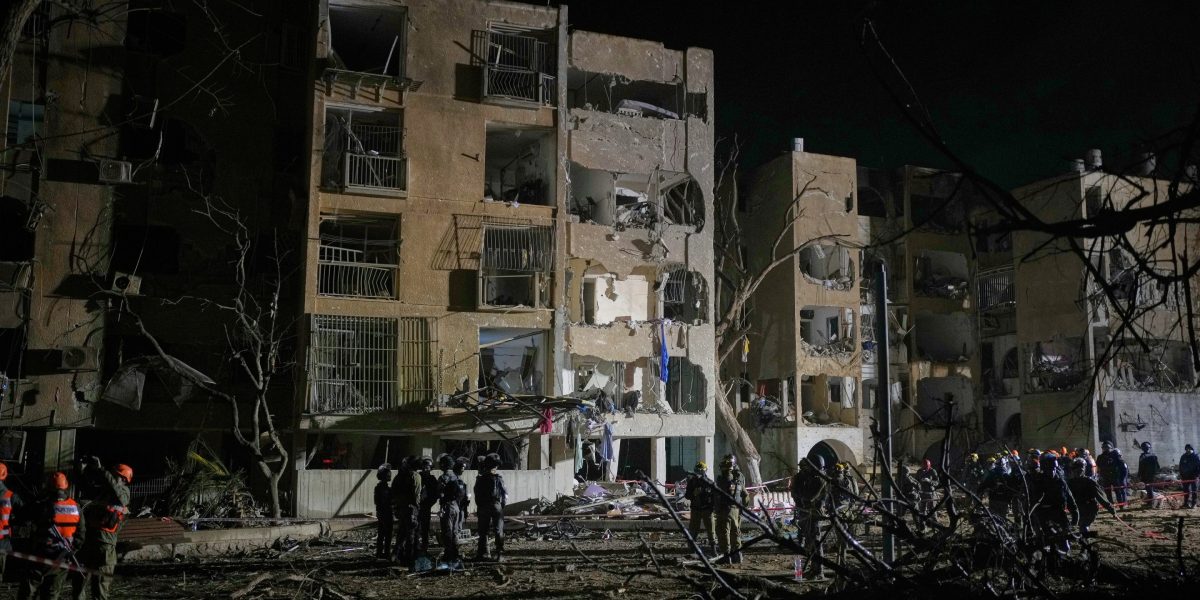
Iran launched missiles at two communities near Israel’s main nuclear research center, leaving at least seven people seriously injured. The attack came hours after Tehran’s main nuclear enrichment site was hit. Israel’s military said it was unable to intercept the missiles, which targeted the southern cities of Dimona and Arad. The war between Israel and Iran has entered its fourth week, with both sides exchanging attacks. The conflict has resulted in over 1,500 deaths in Iran and 15 in Israel, with thousands more displaced.
Our Reading
The strategy enters a familiar phase.
Iran’s missile strike on Israel’s nuclear research center marks a new phase in the conflict. The attack’s success in breaching Israel’s defenses raises concerns about the country’s ability to protect its critical infrastructure. The war’s impact is being felt far beyond the Middle East, with food and fuel prices rising globally. The conflict has also drawn in other countries, with the US deploying additional troops to the region and the UK allowing US bombers to use its bases to attack Iran’s missile sites.
The numbers tell a story of escalating violence, with over 1,500 deaths in Iran and 15 in Israel. The conflict has also resulted in significant economic costs, with oil prices surging and global trade disrupted. As the war drags on, it remains unclear who is truly in charge in Iran, with Supreme Leader Ayatollah Mojtaba Khamenei not seen in public since being named to the role.
Author: Evan Null