Source: Fortune
Summary
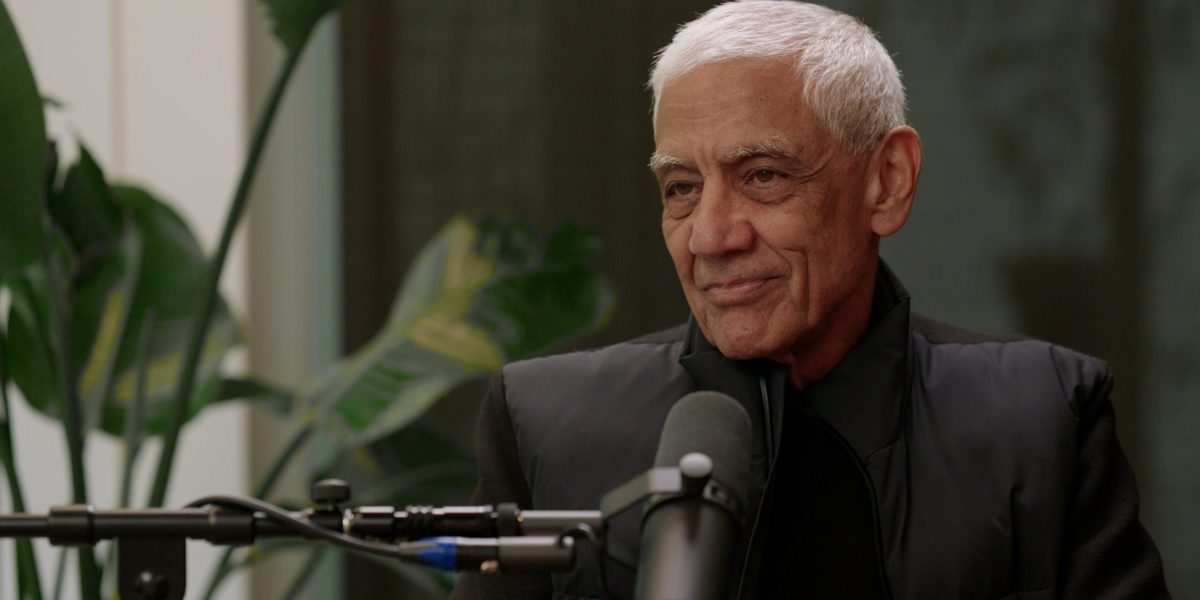
Vinod Khosla’s idea to eliminate federal income taxes for Americans earning less than $100,000 has gained traction, with OpenAI releasing a policy paper that echoes his vision. The paper proposes shifting the tax base away from payroll and labor income and toward corporate income and capital gains. OpenAI also suggests a “robot tax” to capture productivity gains from automation. Critics argue that the proposal is an attempt to provide cover for regulatory nihilism.
Our Reading
The numbers tell one story. OpenAI’s policy paper reads like an alarm bell, warning that the existing tax code, labor market, and social safety net are unprepared for the impact of AI. Vinod Khosla’s early investment in OpenAI and his own advocacy for a national wealth fund suggest a policy framework is crystallizing within the AI industry’s upper echelons. The overlap between Khosla’s vision and OpenAI’s proposal is hard to miss. The clock is ticking, with Goldman Sachs research estimating that AI is already cutting roughly 16,000 U.S. jobs per month. The question is no longer whether the tax code needs to change, but whether Washington can move fast enough.
What’s happening here is a billionaire and a powerful AI company trying to shape the narrative on tax reform.
Author: Evan Null