Source: Fox News
Summary
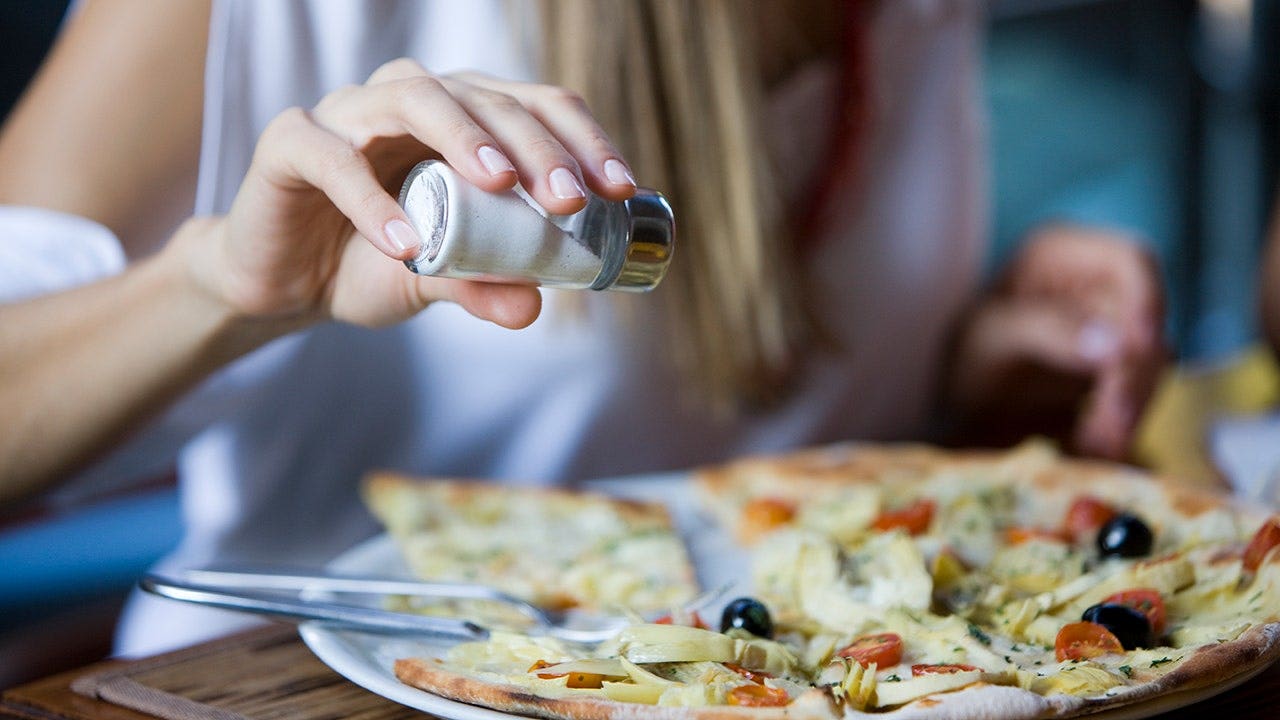
Researchers in Brazil studied the habit of adding salt to food among over 8,000 adults aged 60 and above. The study found that 10.9% of participants added salt to their food, with men more likely to do so than women. Those not following a high blood pressure diet and living alone were also more likely to add salt. The study suggests that adding salt was associated with lower intake of fruits and vegetables among women. The World Health Organization recommends consuming less than 5 grams of salt per day for best health outcomes.
Our Reading
The advice sounds familiar.
This study is just another example of how our eating habits can reveal details about our health. The habit of adding salt to food is a common one, but it can have serious consequences for our health. The findings of this study are not surprising, given the well-known risks of excessive salt consumption. What is interesting, however, is the association between adding salt and other dietary habits, such as lower intake of fruits and vegetables.
As with any study, it’s essential to consider the limitations and potential biases. The fact that the study was cross-sectional and relied on self-reported data may limit its findings. Nonetheless, the results highlight the importance of nutrition education and promoting whole foods, less processed foods, and reduced salt intake overall.
The recommendation to consume less than 5 grams of salt per day is not new, but it’s a reminder of the ongoing efforts to promote healthy eating habits. Perhaps it’s time to rethink our approach to seasoning our food and explore alternative ways to add flavor without adding salt.
As we continue to navigate the complexities of healthy eating, one thing is clear: our eating habits are a reflection of our overall health, and making informed choices is crucial for maintaining good health.
The cycle of research and recommendations continues, and it’s up to us to stay informed and make the best choices for our health.
Author: Evan Null