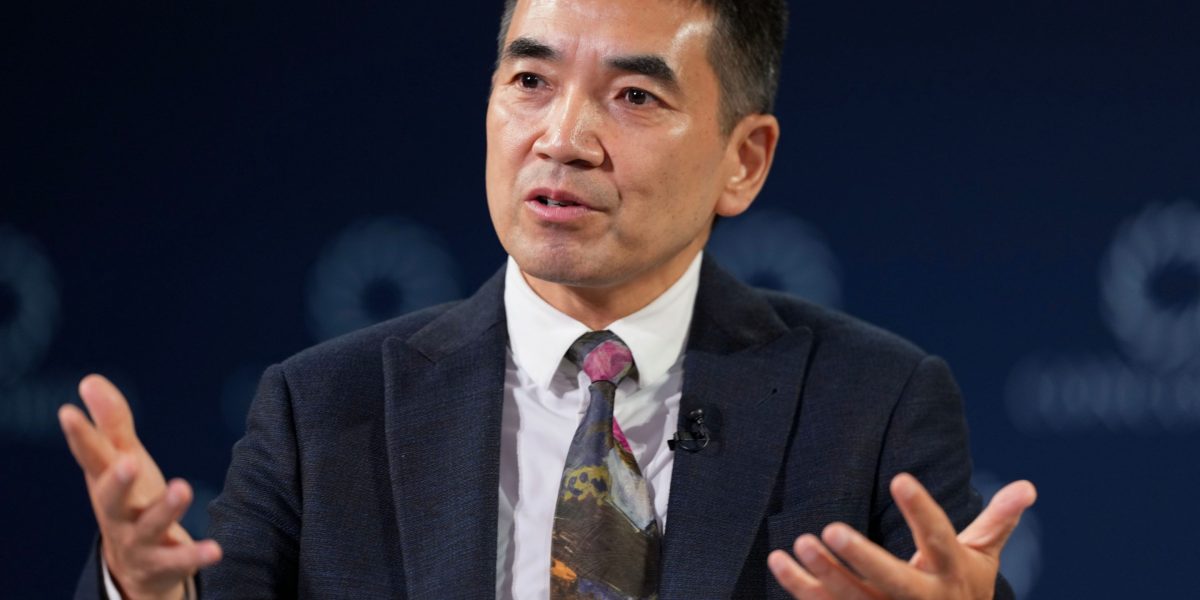
Source: Fortune
Summary
Zoom CEO Eric Yuan predicts a three-day workweek in the next five years, citing the impact of artificial intelligence on productivity. Yuan believes that AI agents will handle routine tasks, freeing up time for human-to-human interaction. A 2024 survey found that 80% of workers believe they would be happier and just as effective working four days instead of five. Some companies have experimented with compressed schedules, but there are trade-offs, and adoption of reduced workweeks remains limited.
Our Reading
The numbers tell one story.
Eric Yuan’s prediction of a three-day workweek sounds like a familiar refrain. Jamie Dimon and Sam Altman also see a reduced workweek on the horizon. The idea is gaining steam, with 80% of workers believing they would be happier and just as effective working four days instead of five. But as companies experiment with compressed schedules, they’re finding that there are trade-offs. The future of work is uncertain, but one thing is clear: the traditional five-day workweek is under scrutiny.
Yuan’s vision of a three-day workweek is just a starting point for a larger conversation about the impact of AI on productivity and work-life balance.
Author: Evan Null