Source: Fortune
Summary
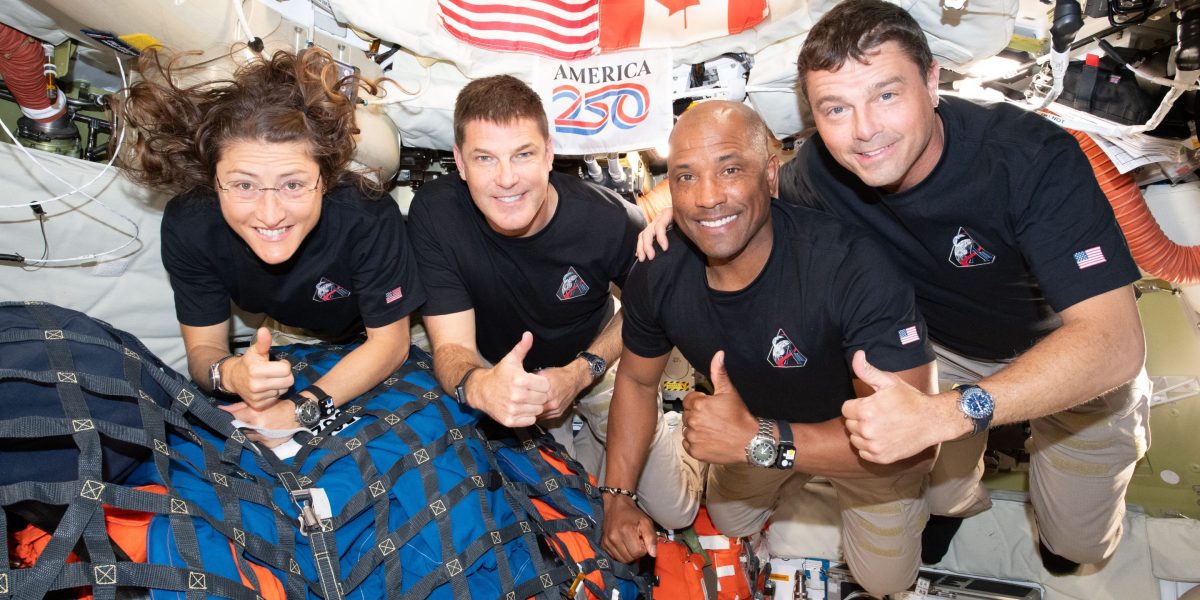
NASA’s Artemis II mission returned safely to Earth, despite concerns about the heat shield’s integrity. The shield, which was designed to melt away during reentry, had cracked and broken off in chunks during the previous unmanned Artemis I mission. To mitigate the risk, NASA changed the capsule’s reentry trajectory, applying more heat consistently to prevent gas from becoming trapped beneath the shield’s outer layer. The crew of four astronauts, who broke a 56-year-old distance record, had to enter the Earth’s atmosphere at the right angle, speed, and time to avoid a potentially catastrophic failure.
Our Reading
The numbers tell one story.
NASA’s gamble to fly Artemis II with a flawed heat shield design paid off, but not without controversy. The agency’s decision to change the reentry trajectory rather than delay the mission to install a redesigned shield was criticized by some, including former NASA engineer Dr. Charles Camarda, who warned that the modified trajectory was like “playing Russian roulette.” Despite the risks, the crew of four astronauts successfully splashed down in the Pacific, capping the first crewed lunar mission since Apollo 17 in 1972.
The agency’s confidence in its data and engineering models ultimately prevailed, but the incident raises questions about the risks and challenges of deep space exploration.
The Artemis II mission’s success is a testament to the ingenuity and expertise of NASA’s engineers and astronauts, but it also highlights the need for continued investment in space exploration and the development of new technologies to mitigate the risks associated with space travel.