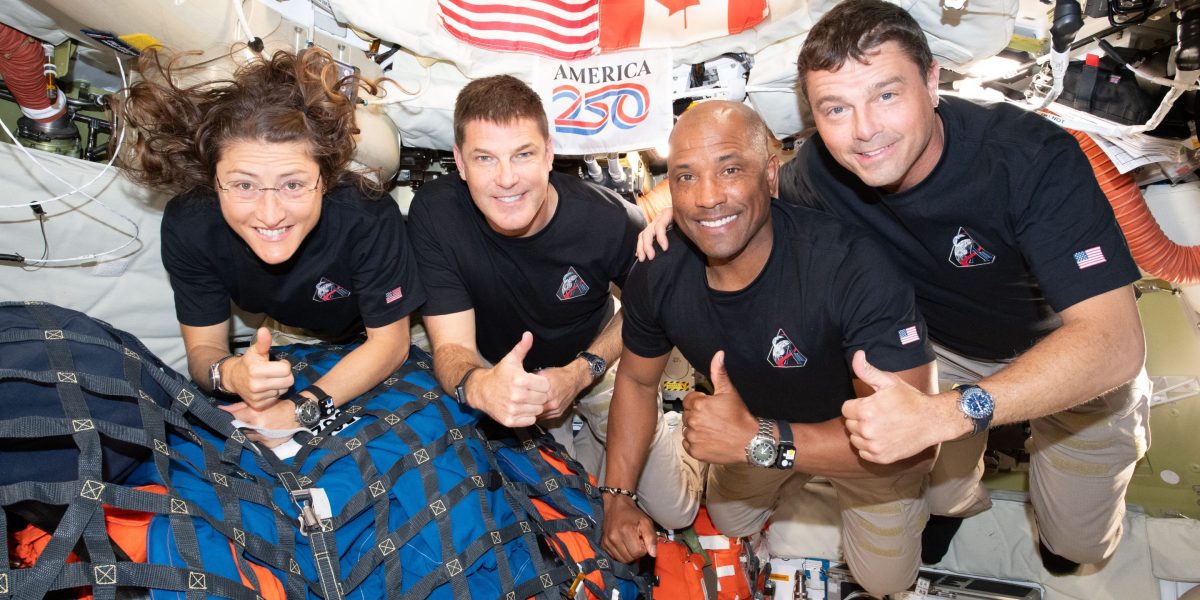
Source: Fortune
Summary
NASA’s Artemis II mission successfully landed in the Pacific Ocean after a 10-day journey, despite concerns about the spacecraft’s heat shield. The shield had cracked and broken off during the Artemis I mission in 2022, and NASA knew about the issue before launching Artemis II. Instead of delaying the mission to redesign the shield, NASA changed the flight path to apply more heat consistently, ensuring the outer layer of the shield didn’t cool and trap gas. The astronauts had to enter the Earth’s atmosphere at the right angle, speed, and time, and they successfully splashed down in the Pacific.
Our Reading
The numbers tell one story.
NASA flew the Artemis II spacecraft with a flawed heat shield design, but changed the flight path to mitigate the risk. The agency stood by its data and models, despite concerns from former engineer Dr. Charles Camarda. The astronauts had to overcome multiple challenges, including faulty Outlook problems and a smelly toilet, to successfully complete the mission. The heat shield reached temperatures of 5,000 degrees Fahrenheit during reentry. The gamble paid off, but it was a high-stakes decision.
NASA is playing with fire when it comes to risk tolerance.
Author: Evan Null