Source: Fox News
Summary
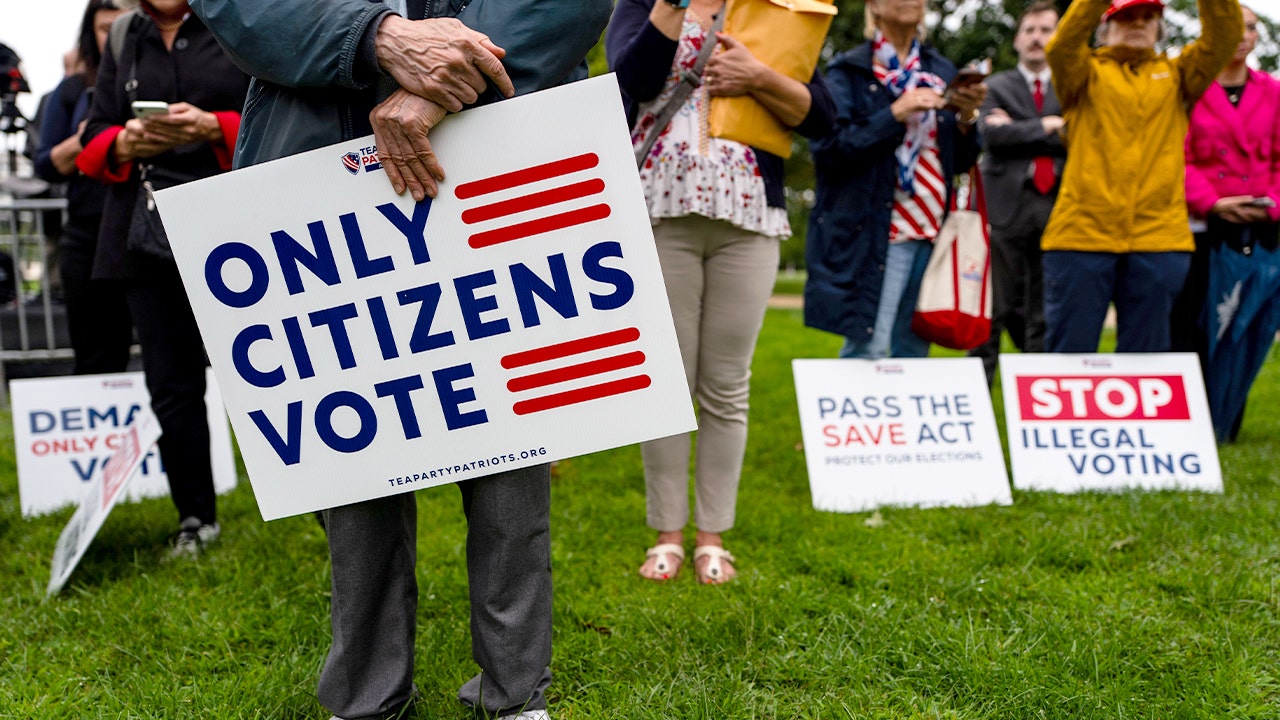
Conservative nonprofit Restoration of America (ROA) is launching a $5 million nationwide ad campaign to pressure the Senate to pass voter ID legislation. The campaign includes a $3.1 million national television buy and a digital push targeting swing states. ROA points to polling that shows 83% of Americans support requiring a photo ID to vote. The effort comes as Senate Republicans signal they are prepared to bypass Democrats and move key priorities through reconciliation.
Our Reading
As expected, the matter has reached another stage.
The Senate is under pressure to pass voter ID legislation. A conservative nonprofit is launching a $5 million ad campaign to push for the legislation. The campaign includes a 30-second ad that argues voter ID is standard elsewhere and that 83% of Americans support it. The ad takes aim at both parties in Washington for the stall. The campaign’s goal is to restore trust in elections.
The ad’s message is straightforward: “Call your United States senators and tell them to pass the Save America Act today.” The campaign’s timing coincides with a congressional recess, putting senators back in their home states, where the campaign is designed to reach them directly.
The performance of the ad campaign is a familiar one: a call to action, a sense of urgency, and a clear message. The campaign’s use of polling data and a simple, direct message is a tried-and-true approach. The fact that the campaign is targeting swing states and using a mix of television and digital advertising is also a familiar tactic.
But what’s notable is the way the campaign is framing the issue of voter ID. By emphasizing that 83% of Americans support requiring a photo ID to vote, the campaign is trying to create a sense of consensus around the issue. By arguing that voter ID is standard elsewhere, the campaign is trying to create a sense of normalcy around the issue. The campaign’s message is not just about passing legislation, but about restoring trust in elections.
The fact that the campaign is being launched during a congressional recess, when senators are back in their home states, is also noteworthy. This suggests that the campaign is not just about influencing lawmakers in Washington, but also about mobilizing public opinion and creating a sense of momentum around the issue.