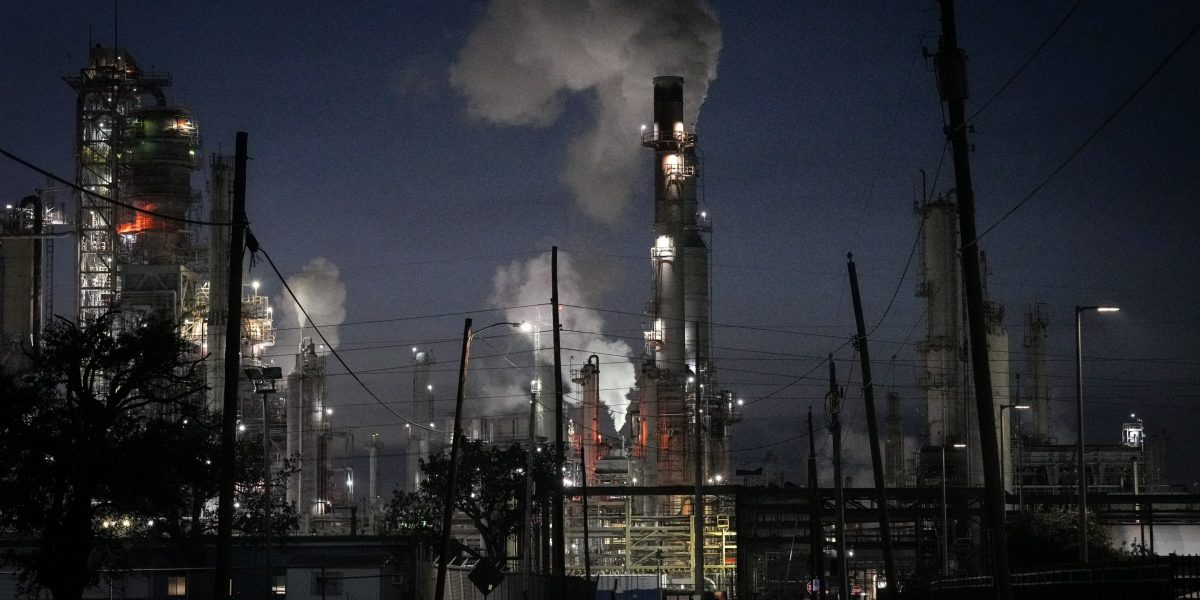
Source: Fortune.com
Summary
Corpus Christi, Texas, is facing a severe drought that has depleted its water reserves, threatening the city’s refineries and petrochemical plants. The city’s water supply is closely tied to the oil and gas industry, which consumes 60% of the city’s water. Despite efforts to reduce water use, the city may need to impose mandatory cutbacks on residents and industry. The drought has been exacerbated by the city’s failure to invest in new water sources, including a desalination plant. The city is now scrambling to tap into groundwater and seeking state approval for a new pipeline project.
Our Reading
The announcement sounds familiar.
Corpus Christi’s water crisis is a classic case of a city’s growth outpacing its infrastructure. The city’s decision to allow big industry to opt out of water conservation efforts has created a system where residents are left to bear the brunt of the drought. The city’s plans to invest $1 billion in infrastructure may disproportionately benefit industry, making life more expensive for residents. The drought has also exposed the city’s lack of preparedness, with officials scrambling to find new water sources. The situation is a perfect storm of poor planning, lack of investment, and the consequences of prioritizing industry over residents.
The city’s water emergency is not just a matter of numbers; it’s a matter of who gets to decide how the water is used.
Author: Evan Null