Source: Fortune
Summary
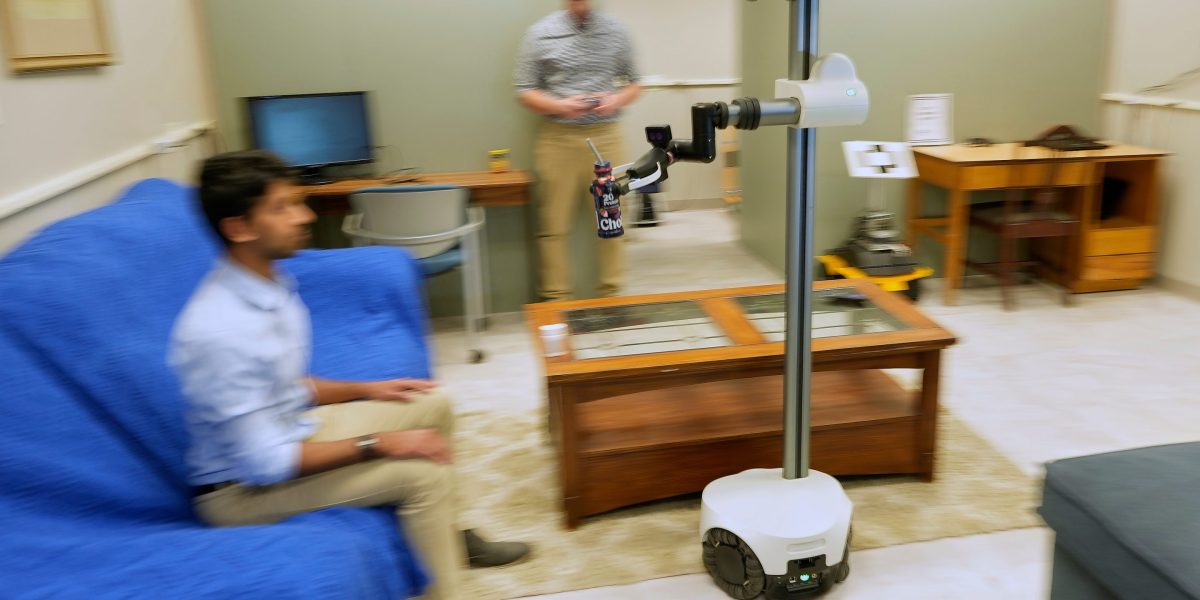
Brenda and Brian Marquis, a couple with physical and cognitive disabilities, are using a robot called Robbie, developed by the University of New Hampshire, to aid with daily tasks. Robbie is a wheeled robot that can remind Brian to exercise, eat, and take medication, and can also assist with tasks such as reading prescription labels. The robot is part of a growing trend of using robots to support home care for older adults, particularly those with dementia. While humanoid robots are still in development, simpler robots like Robbie are being designed to provide practical assistance.
Our Reading
The numbers tell one story.
Robbie, the robot, is not a replacement for human caregivers, but rather a supplement to assist with daily tasks. The Marquis couple’s experience with Robbie highlights the potential for robots to improve the quality of life for older adults with disabilities. The robot’s simplicity and practicality are key to its success, as it can perform tasks such as reminding Brian to exercise and assisting with mealtime. The cost of the robot, nearly $30,000, is a significant investment, but for the Marquis couple, it has been a lifeline. As the population ages, robots like Robbie may become increasingly important in supporting home care.
Robbie’s care protocol is programmed to include exercise instructions, meal and medicine reminders, and evening routine reminders, freeing up Brenda from hours of daily work and reducing expenses. The robot’s ability to assist with tasks such as reading prescription labels and retrieving items also helps to improve Brian’s independence.
As the demand for home care aides continues to grow, robots like Robbie may become a vital part of the solution, providing practical assistance and improving the quality of life for older adults with disabilities.
The Marquis couple’s experience with Robbie highlights the potential for robots to improve the quality of life for older adults with disabilities, but also raises questions about the cost and accessibility of such technology.
Author: Evan Null