Source: Fortune
Summary
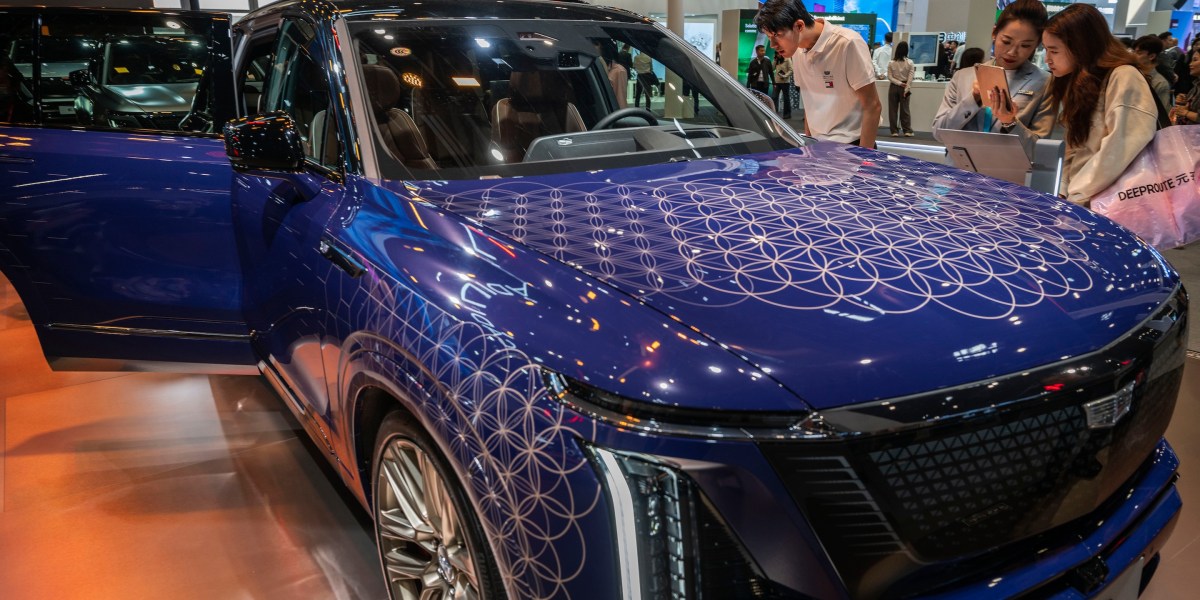
General Motors (GM) is positioning itself as a distributed utility, leveraging its electric vehicles (EVs) and battery technology to support the grid. The company aims to aggregate energy storage capacity from its 250,000 bidirectionally capable EVs, develop sodium-ion batteries for grid-scale storage, and launch a unified charging platform. GM’s strategy puts it in competition with Ford, which is focusing on supplying batteries to the grid. Both companies are targeting the growing demand for energy storage and grid resilience.
Our Reading
The numbers tell one story. GM is turning its EVs into power plants, with 250,000 cars capable of charging bidirectionally. The company is also developing sodium-ion batteries for grid-scale storage, which could suit substations and data centers better than lithium-ion batteries. GM’s Energy Pass app will allow drivers to manage home backup, scheduling charging, and enroll cars in utility programs. Meanwhile, Ford is taking a more traditional industrial approach, repurposing factories to build lithium iron phosphate storage systems for utilities and data centers. The hard part is regulatory, as GM needs to persuade regulators to treat its EVs as dependable capacity.
Author: Evan Null