Source: Fortune
Summary
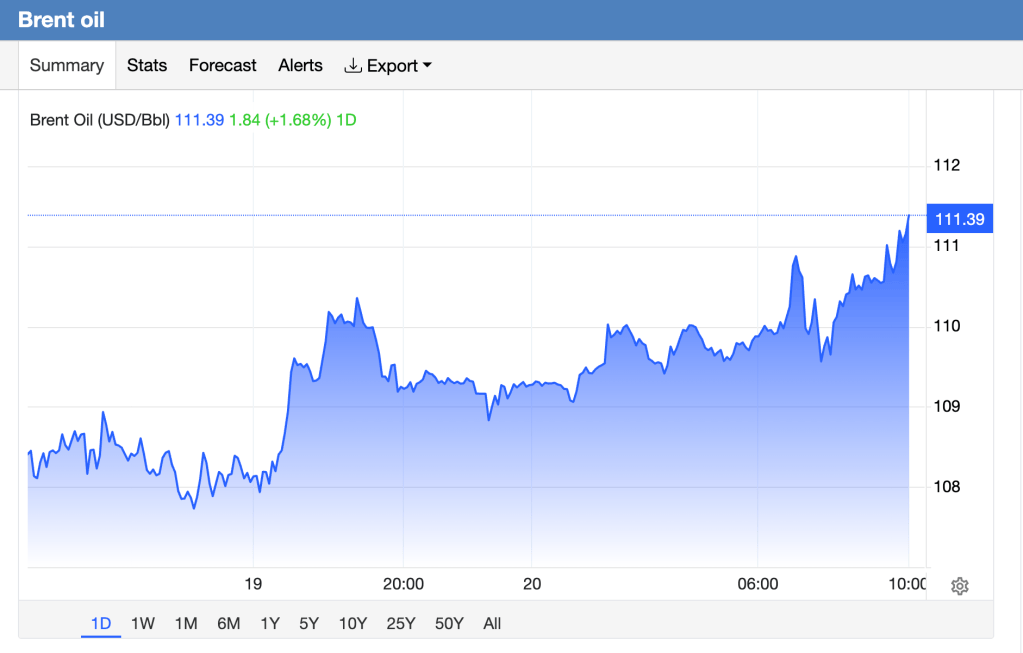
Producer prices in the US rose 6.5% over the past year, the steepest annual jump since November 2022, driven by soaring energy costs due to the war in Iran. The “core” producer price index, excluding food and energy costs, rose 0.4%. Mohamed El-Erian noted that the print came in “hotter than expected at the headline level but softer at the core level”. The European Central Bank raised interest rates for the first time since 2023, citing a “major energy shock”. China posted its hottest wholesale inflation in nearly four years, driven by the war in Iran and the global AI boom. The US data leaves new Fed Chair Kevin Warsh with the same problem as his predecessor, Jerome Powell: are these inflationary shocks temporary pass-throughs, or are they seeping into the structure of prices?
Our Reading
The numbers tell one story. Inflation is roaring back globally, with the US, Europe, and China all experiencing rising prices. The shape of this shock is beginning to form, with the war in Iran driving up energy costs and the global AI boom bidding up the price of chips and equipment. The Fed’s new Chair, Kevin Warsh, inherits the same problem as his predecessor, Jerome Powell: deciding whether these inflationary shocks are temporary or structural. The president, for his part, is unbothered, predicting prices will “come down like a rock” once the war ends. The announcement sounds familiar.
Original observation: The inflation redistribution machine is squeezing the majority through falling wages while soaring energy prices hand windfalls to oil and gas producers at the top.
Author: Evan Null