Source: Fortune
Summary
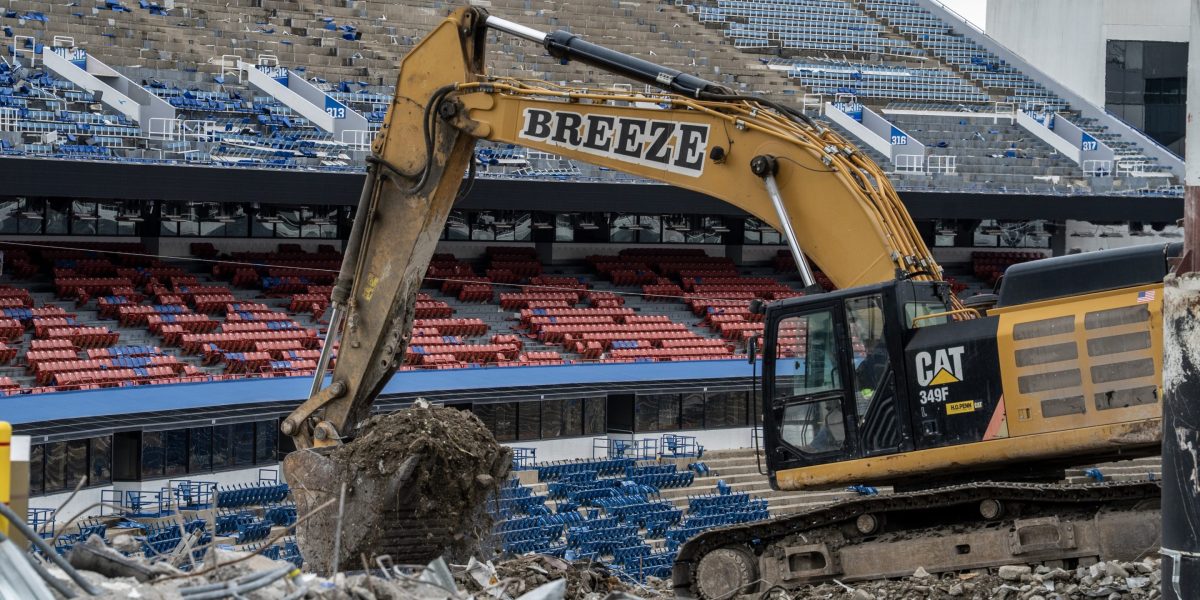
American taxpayers have spent $33 billion on sports stadiums since 1970, with the median public contribution covering 73% of construction costs. The new Buffalo Bills stadium, funded with $850 million in public funds, will have 11,500 fewer seats than the old stadium, with personal seat licenses running as high as $50,000 per seat. The trend of smaller stadiums with higher prices is seen across the NFL, NBA, and MLB, with teams prioritizing luxury suites and premium experiences over affordable tickets. Economists argue that this model is a hidden market failure, with taxpayers funding the creation of scarcity that they will be priced out of.
Our Reading
The numbers tell one story.
The new Bills stadium is smaller, but nicer. The team and the league are prioritizing luxury suites and premium experiences over affordable tickets. The trend is seen across the NFL, NBA, and MLB. Taxpayers are funding the creation of scarcity that they will be priced out of. The incentive structure reinforces itself: teams don’t have to share premium revenue with the league, making it the one revenue stream they can maximize entirely on their own terms. The return on investment for taxpayers is questionable, with economists arguing that the costs of stadium subsidies outweigh the benefits.
The money is in super premium experiences, not in actually putting people in the seats.
Author: Evan Null