Source: Fortune
Summary
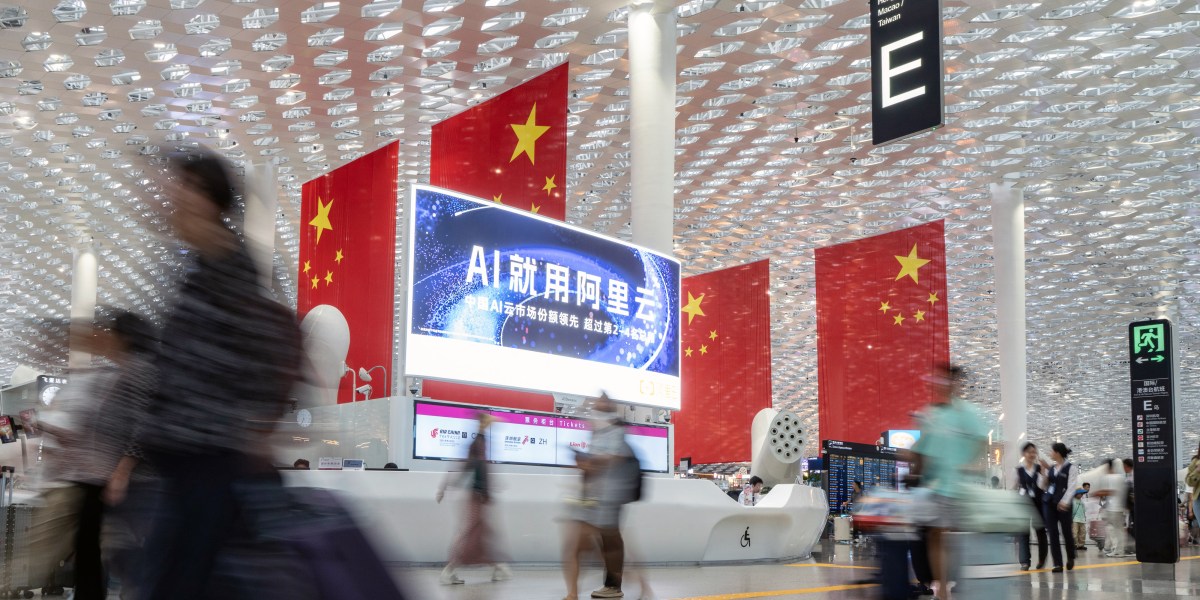
The US government’s decision to restrict access to Anthropic’s AI models has led to increased interest in open-source models from Chinese labs like DeepSeek and Moonshot AI. Chinese labs are claiming a public relations win, with shares in Knowledge Atlas surging 30% after releasing its latest open-source model. Demand for Chinese models has overtaken US models on OpenRouter, a platform for accessing AI models. The US ban may vindicate China’s move towards tech self-sufficiency, and may push scale for Chinese open-source models. Asian governments are also making a push for “sovereign AI”, with South Korea launching a national competition to develop Korean-language AI models.
Our Reading
The numbers tell one story. Anthropic’s Mythos model was too powerful to be released without safeguards, but the US government’s move may lock out non-US organizations from accessing the best US-developed models. Open-source models from Chinese labs are becoming an attractive alternative, particularly for governments investing in sovereign AI. The US’s export controls on Anthropic highlight the danger of being locked into one country’s AI models. The ban will “push scale for Chinese open-source models”, says Neil Shah, vice president of research at Counterpoint Research. “It’s a great move for China.” Chinese models may not be as powerful as US-developed peers, but they are significantly cheaper. The situation reframes the concept of “sovereign AI” as a strategic national asset.
Author: Evan Null