Source: Fortune
Summary
European leaders are growing increasingly concerned about the large trade deficit with China, which has reached 360.6 billion euros ($414 billion) in 2025, up 15% from 2024. French President Emmanuel Macron has called for the European Union to take protective measures, similar to the US’s Section 301, to address the issue. Other EU countries, such as Germany, Poland, and Belgium, have backed Macron’s call for new powers to impose tariffs on China. The EU is currently holding off on taking a more aggressive stance, fearing Chinese retaliation, and will instead focus on dialogue and proposing a new law to diversify sources of key supplies.
Our Reading
The numbers tell one story.
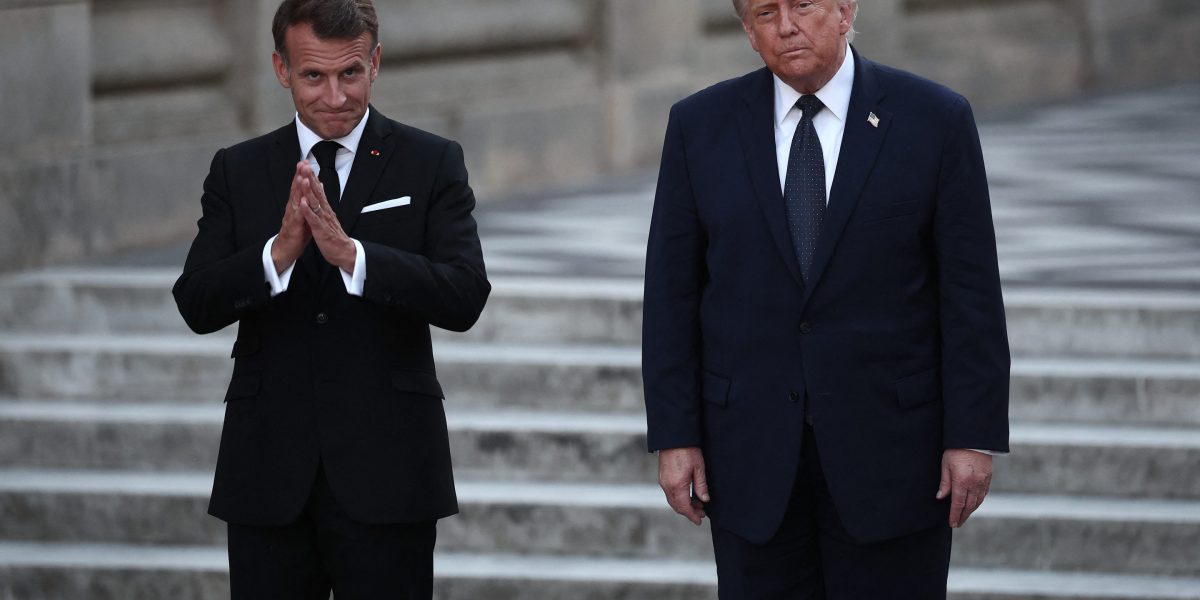
Macron’s call for EU powers to impose tariffs on China echoes Trump’s playbook. The EU’s trade deficit with China has grown 15% in 2025, with the gap expanding by 10% in the first four months of this year.
European officials are frustrated with China’s continued promotion of key industrial sectors, leading to excess supply being shipped overseas, often undercutting local producers. The EU’s proposed law would require companies to diversify their supply chains.
The EU’s slow response to the issue has been criticized, with one senior diplomat noting that they were discussing the same issue in November.
The situation is reminiscent of the US-China trade war, with the EU facing a similar trade imbalance and considering similar measures to address it.
The EU’s proposed law would require companies to diversify their supply chains, but it’s unclear if this will be enough to address the issue.
One thing is certain: the EU is playing catch-up in a game of trade chess, and the next move will be crucial.
Author: Evan Null