Source: Fortune
Summary
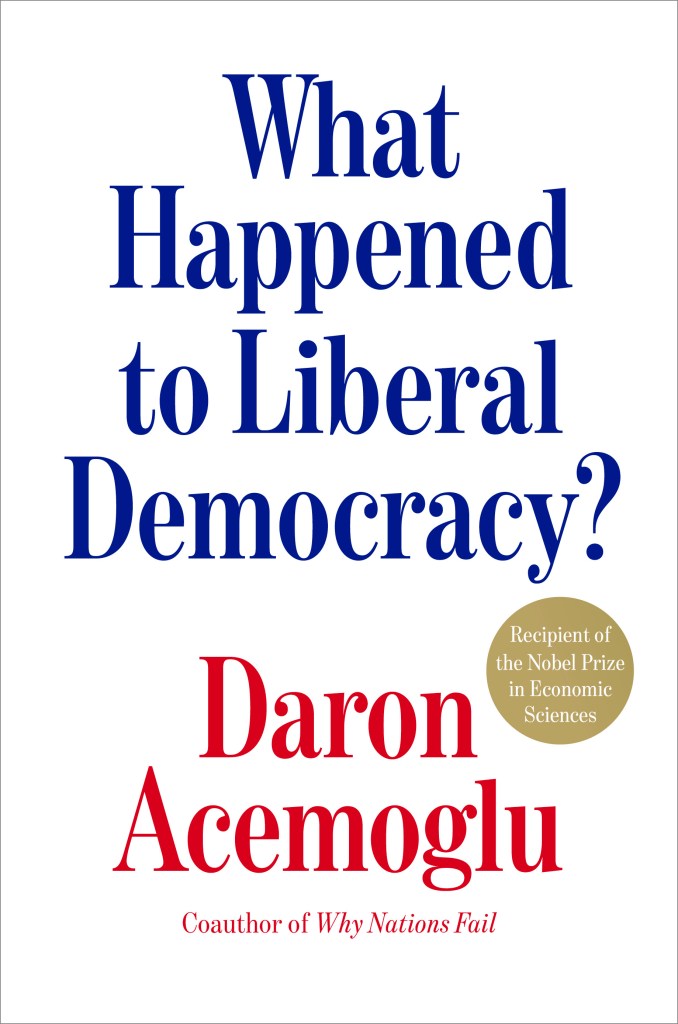
Nobel laureate Daron Acemoglu expressed skepticism about the economic benefits of AI, estimating that it will deliver only 0.55% in total factor productivity gains over the next decade. He believes that only 5% of tasks will be profitably automated, resulting in a 1% or 1.5% increase in GDP. Acemoglu also criticized the current discourse on AI, saying that 80% of it is “brainless” and focused on speculative or fictional ideas. He argued that the real issue is the concentration of corporate power and the unequalizing roles of AI.
Our Reading
The strategy enters a familiar phase.
Daron Acemoglu’s words cut through the AI hype, revealing a more nuanced view of its economic impact. He questions the uniformity of “capitalism” as a term, instead framing the issue as a choice between inclusive and extractive institutions. Acemoglu’s skepticism about AI’s productivity gains is grounded in a decades-long framework applied to every major wave of automation. He argues that true “human complementarity” would require AI that enables workers to do new tasks, rather than just accelerating existing ones. The gap between what LLMs do well in demos and what they do reliably in complex environments remains wide.
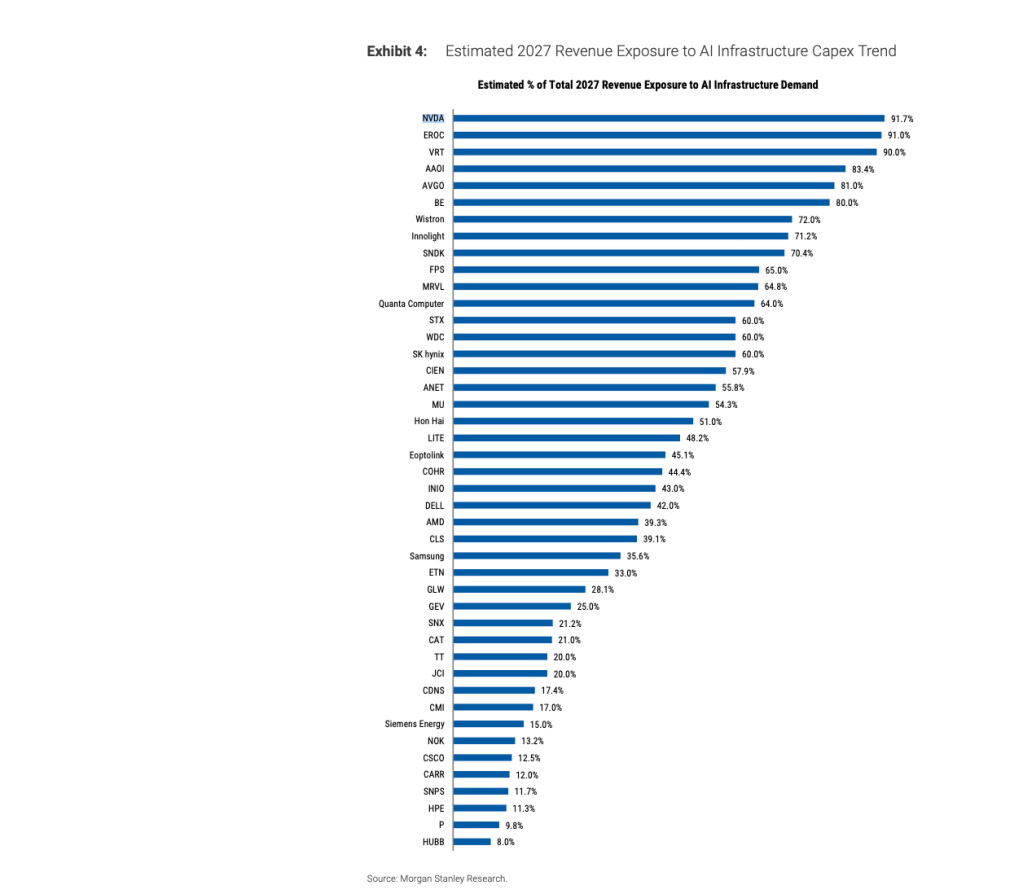
The numbers tell a different story about AI’s economic benefits, and Acemoglu’s critique comes with a prescription for a more socially desirable AI future.
Author: Evan Null