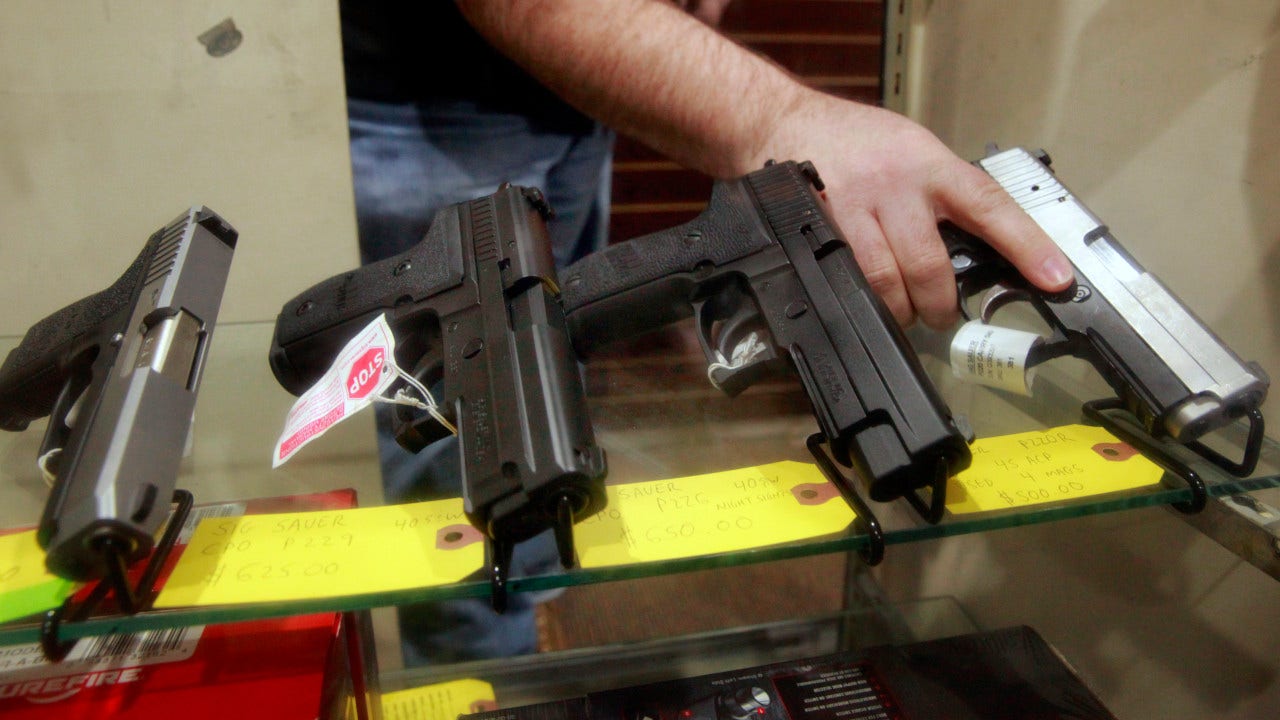
Source: Fox News
Summary
The Supreme Court struck down Hawaii’s private-property concealed-carry restriction in a 6-3 decision, ruling that the state cannot require licensed gun owners to obtain express permission before carrying firearms onto private property open to the public. Attorney Kevin O’Grady, who represented the plaintiffs, criticized Hawaii’s reliance on a Reconstruction-era Black Code to defend the law. Justice Samuel Alito, writing for the majority, rejected the argument, calling the Louisiana statute a “tainted artifact” that was enacted to disarm newly freed Black Americans. Justice Ketanji Brown Jackson argued in her dissent that the Court should have first decided whether the Louisiana law itself violated the Second Amendment.
Our Reading
As expected, the matter has reached another stage.
The Supreme Court’s decision relied on historical context, with Justice Alito calling the Louisiana statute a “tainted artifact.” Hawaii’s defense relied on a Reconstruction-era Black Code, which was criticized by Attorney Kevin O’Grady. Justice Ketanji Brown Jackson’s dissent argued that the Court should have examined whether the Louisiana law itself violated the Second Amendment. The decision allows licensed gun owners to carry firearms onto private property open to the public without express permission. Businesses may still ban guns by posting or enforcing a “no firearms” policy. The ruling follows the Supreme Court’s 2022 decision in New York State Rifle & Pistol Association v. Bruen.
Author: Evan Null