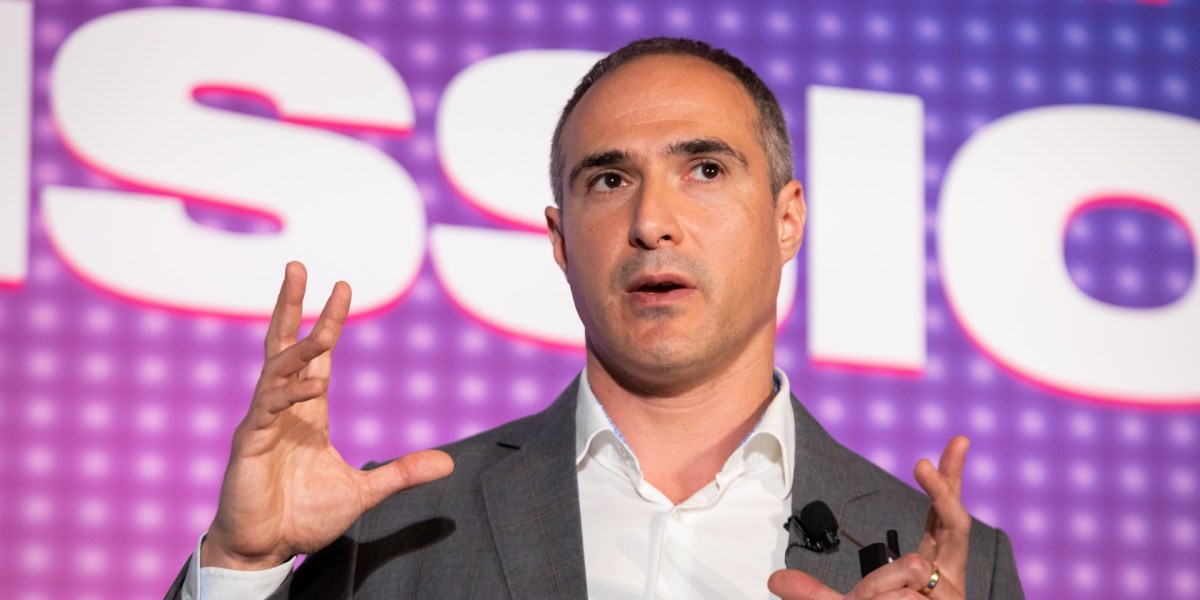
Source: Fortune.com
Summary
Open Standard has launched Open USD, a new stablecoin for global money movement, with over 140 financial institutions and technology partners participating, including Visa, Mastercard, American Express, and BlackRock. The stablecoin will be operated by an independent company governed by a board composed of partner organizations, with decisions made collectively. Open USD differs from other stablecoins in its economic model, where partners will mint and redeem tokens at no cost and share reserve earnings after a management fee.
Our Reading
The numbers tell one story.
Open USD represents a test of whether shared infrastructure for tokenized dollars can move from concept to operating reality. The stablecoin’s launch features a consortium-based model, where decisions are made collectively by partner organizations, rather than a single issuer. This approach may have advantages over single-issuer models, including aligning incentives, broadening distribution, and supporting interoperability through shared governance. The economic model differs from today’s dominant stablecoins, with partners able to mint and redeem tokens at no cost and share reserve earnings after a management fee. The execution will be the determining factor for success.
The strategy enters a familiar phase where infrastructure providers position for the possibility of tokenized dollars becoming part of mainstream treasury operations, cross-border settlement, and institutional payments. The question for CFOs is whether the infrastructure that moves money is beginning to change – and whether their organizations have a voice in shaping it.
Author: Evan Null