Source: Fortune
Summary
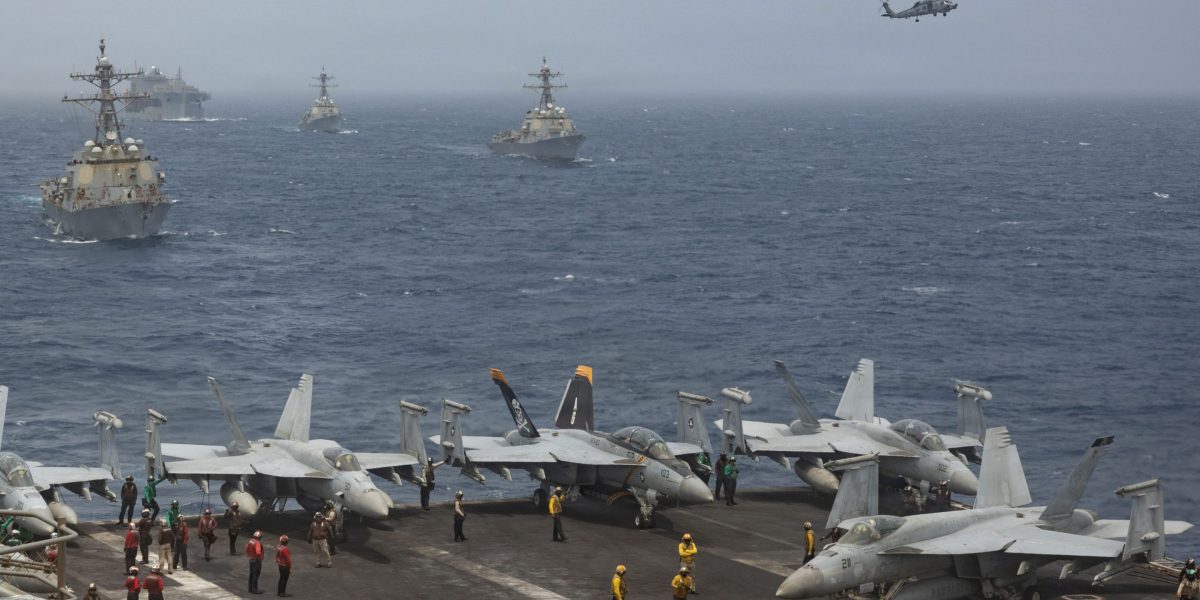
The U.S. and Iran are in a stalemate over control of the Strait of Hormuz, a critical waterway for oil shipments. Iran insists on approving all traffic, while the U.S. has been bombing Iranian sites and defending ships using an alternate route. Oman has proposed a plan to manage traffic through two separately controlled routes, with free navigation in the southern corridor and prior approval required for the northern corridor. The plan has yet to be finalized, and the situation remains volatile, with the U.S. and Iran engaging in skirmishes and both sides trying to establish leverage.
Our Reading
The numbers tell one story.
Iran’s attacks on ships and the U.S. response have resulted in a stalemate. Oman’s proposal for separate corridors may offer a way forward, but the situation remains uncertain. The U.S. military’s control of the Omani route has given it effective control, but enough ships still need to get in and out to load and deliver oil supplies. The current status quo may be unsustainable, with more skirmishes possible.
Iran’s foreign minister met with his Omani counterpart to discuss safe passage in the strait, but no corridor can truly be open until shipping companies and their insurers deem it safe enough. The U.S. could try to pry open the strait by military force or “grind Iran down economically” by reimposing a naval blockade.
Ultimately, both sides need a deal soon, given domestic vulnerabilities. A new deal is possible, but timing and escalatory paths remain uncertain.
Author: Evan Null