Source: Fox News
Summary
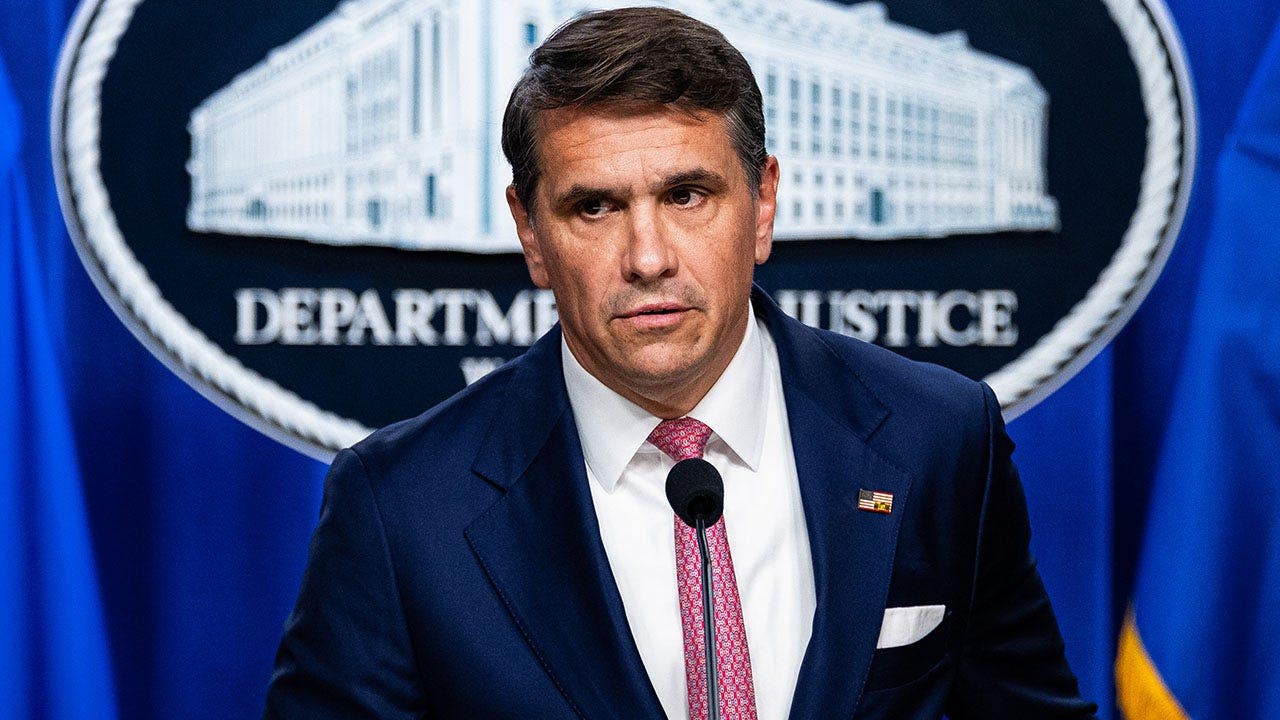
Over 1,200 Department of Justice (DOJ) alumni signed a letter opposing the confirmation of Acting Attorney General Todd Blanche as the permanent Attorney General. The letter, sent to the Senate Judiciary Committee, claims that Blanche has fired hundreds of DOJ employees and has politicized the department. The signatories, who include former Chicago Mayor Lori Lightfoot and Trump impeachment witness Pamela Karlan, argue that Blanche’s actions have compromised the department’s work and national security. However, a DOJ spokesperson has stated that Blanche has the support of law enforcement and that the letter is a partisan effort to block his confirmation.
Our Reading
As expected, the matter has reached another stage.
The DOJ alumni letter opposing Blanche’s confirmation is reminiscent of a similar letter signed by 51 former intelligence officials in 2020, which claimed that the Hunter Biden laptop scandal was a Russian intelligence operation. Both letters have been criticized as partisan efforts to influence public opinion. The repetition of this tactic raises questions about the effectiveness of such efforts in shaping public discourse.
The use of letters signed by large groups of former officials has become a familiar strategy in political battles. This approach allows signatories to present their opinions as a collective, non-partisan voice, while also providing a platform for individual signatories to promote their own agendas.
The fact that some signatories have been involved in previous partisan efforts raises questions about the sincerity of their concerns. The letter’s focus on Blanche’s actions as a politicization of the DOJ also highlights the ongoing debate about the role of politics in the department.
The timing of the letter, just before Blanche’s confirmation hearings, suggests that it is intended to influence public opinion and put pressure on the Senate Judiciary Committee.
Ultimately, the letter’s impact will depend on how it is received by the public and the Senate. However, its similarity to previous partisan efforts may undermine its credibility and effectiveness.
Author: Evan Null