Source: Fortune
Summary
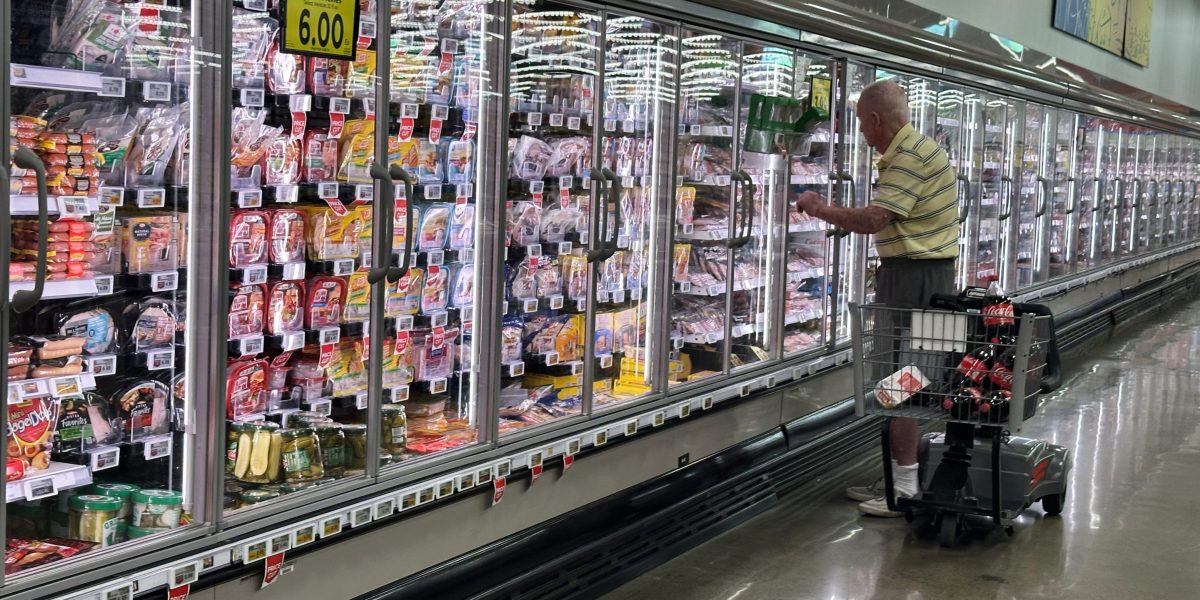
Oil prices have surpassed $100 a barrel due to renewed fighting and military strikes in the Middle East, leading to increased costs for consumers. Companies that produce and sell fresh food, school supplies, and other goods that rely on fuel are likely to pass on their increased expenses to consumers. Gasoline prices are expected to rise, with drivers in most states already paying $4 or more per gallon. Higher fuel costs will also impact grocery prices, shipping, and air travel.
Our Reading
The numbers tell one story. Oil prices are up, and consumers are feeling the pinch. Companies like Albertsons, UPS, and FedEx are passing on their increased fuel costs to consumers. The impact is being felt across various industries, from grocery shopping to air travel. As one analyst noted, “Oil at $100 doesn’t make food prices jump right away, but it does put upward pressure across the food supply chains.”
Higher oil prices are not just a passing trend; they have a ripple effect on the entire economy. As one expert said, “Since everything relies on petroleum in our economy, for good or ill, if the cost of petroleum goes up, then everything else goes up as well.” The question is, how long will consumers be able to absorb these increased costs?
Author: Evan Null