Source: Fortune.com
Summary
President Donald Trump announced a temporary plan to allow more beef imports into the U.S. without triggering higher tariffs, aiming to lower grocery prices. Cattle producers and Republican lawmakers criticized the move, arguing it could hurt domestic ranchers. The plan allows up to 300,000 metric tons of ground beef to be imported for 90 days at 25% below market rates. Industry groups warned the policy could weaken markets and harm long-term herd growth. Experts questioned the feasibility of the plan and its impact on prices.
Our Reading
The numbers tell one story.
Trump’s plan allows 300,000 metric tons of beef to enter the U.S. without tariffs.
Ranchers and lawmakers say it will hurt domestic producers.
Industry groups warn of long-term market damage.
Experts doubt the plan will significantly lower prices.
Author: Evan Null
Trump’s Beef Import Plan
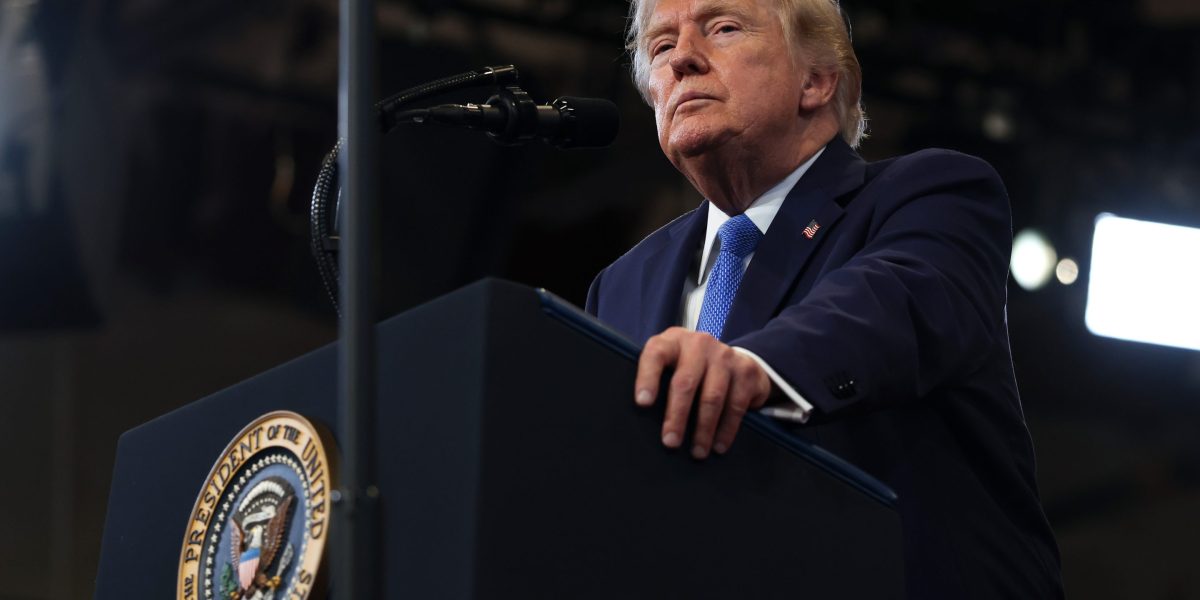
President Donald Trump announced a temporary plan to allow more beef imports into the U.S. without triggering higher tariffs. The move is aimed at lowering grocery prices amid rising costs. However, it has drawn criticism from cattle producers and some Republican lawmakers.
The plan allows up to 300,000 metric tons of ground beef to be imported for the next 90 days. The White House claims the imported beef will be sold at 25% below current market rates. This is intended to make beef cheaper for American consumers.
Industry groups, including the U.S. Cattlemen’s Association, have criticized the plan. They argue that it could weaken markets and harm long-term herd growth. Some experts also question the feasibility of the plan and its impact on prices.
Senators and ranchers have expressed concerns that the move will hurt domestic producers. They say it could reduce cattle prices and discourage herd expansion. This has created tension between the administration and key supporters in the agricultural sector.
Despite the criticism, Trump remains focused on addressing affordability issues ahead of the midterms. The plan is part of a broader effort to manage food costs and support consumers.
Criticism from Industry Leaders
Sen. Deb Fischer, R-Neb., said the move could hurt the livestock industry. She argued that increasing the U.S. cattle herd is the long-term solution to meeting demand. Other lawmakers, including Sen. Tim Sheehy, R-Mont., also expressed concerns about the impact on ranching families.
U.S. Cattlemen’s Association President Justin Tupper warned that the plan would weaken markets and risk food safety. He said the administration is putting U.S. producers last. The National Cattlemen’s Beef Association also criticized the move, calling it a short-term fix that sacrifices long-term stability.
Industry experts like Glynn Tonsor and David Anderson questioned the effectiveness of the plan. Tonsor said the 300,000 metric tons of beef would only make up a small portion of annual consumption. Anderson doubted whether other countries could redirect enough beef to the U.S. in such a short time.
Despite these concerns, the White House remains confident in the plan. A senior official said the deal is with foreign exporters who have agreed to the discount. The plan is expected to be formalized through an executive order within two weeks.
Some ranchers and experts believe the plan could have the opposite effect. They argue that increased imports could lead to a decline in U.S. cattle inventory. This has raised questions about whether the policy will achieve its intended goal.
Market Impact and Feasibility
Experts have raised questions about the feasibility of the beef import plan. Glynn Tonsor, a professor at Kansas State University, said the 300,000 metric tons of beef would only account for about 3% of annual consumption. He suggested that the plan may not have a significant impact on prices.
David Anderson, a professor of agricultural economics at Texas A&M University, also expressed skepticism. He questioned whether other countries could redirect enough beef to the U.S. in such a short time. His concerns highlight the challenges of implementing the plan effectively.
The White House official, who spoke on condition of anonymity, said the beef in question is lean trimmings used for ground beef. The administration plans to formalize the directive through an executive order within two weeks. This suggests that the plan is still in the early stages of implementation.
Despite the skepticism, the administration remains focused on its goal of lowering grocery prices. The plan is part of a broader effort to address affordability issues, particularly ahead of the midterms. However, the response from industry groups and experts has been mixed.
Some ranchers and experts believe the plan could have unintended consequences. They argue that increased imports could lead to a decline in U.S. cattle inventory. This has raised concerns about whether the policy will achieve its intended outcome.
Political and Economic Pressures
Trump faces pressure to address affordability issues ahead of the midterms. The beef import plan is part of a broader strategy to lower grocery prices and appeal to voters. However, the move has drawn criticism from both ranchers and some Republican lawmakers.
Senators like Deb Fischer and Tim Sheehy have expressed concerns about the impact on ranching families. They argue that the plan could hurt domestic producers and undermine long-term solutions. This has created tension between the administration and key supporters in the agricultural sector.
The plan also highlights the challenges of balancing consumer interests with the needs of producers. While the administration aims to lower prices, industry groups warn that it could harm long-term market stability. This has led to a debate over the best way to address food costs.
Despite the criticism, the administration remains committed to its approach. The plan is seen as a way to address immediate concerns while working on long-term solutions. However, the response from industry leaders and experts suggests that the policy may not be as straightforward as it appears.
As the plan moves forward, it will be closely watched by both supporters and critics. The outcome could have significant implications for the beef market and the broader agricultural sector.
Long-Term Implications
The long-term implications of the beef import plan remain uncertain. Industry leaders and experts have raised concerns about its potential impact on the U.S. cattle market. Some believe the plan could lead to a decline in domestic herd sizes, which would have lasting effects on the industry.
Bill Bullard, CEO of R-CALF USA, said imports have been a major factor in the decline of U.S. cattle inventory. He warned that increasing imports could prevent herd expansion and worsen the situation. This suggests that the plan may not be a sustainable solution to the current challenges.
Experts like Glynn Tonsor and David Anderson have also questioned the effectiveness of the plan. Tonsor noted that the 300,000 metric tons of beef would only make up a small portion of annual consumption. Anderson doubted whether other countries could meet the demand in such a short time. These concerns highlight the challenges of implementing the plan effectively.
The White House remains confident in the plan, but the response from industry groups and experts has been mixed. Some believe the policy could have unintended consequences, while others see it as a necessary step to address rising food costs. The outcome will depend on how the plan is executed and how the market responds.
As the plan moves forward, it will be closely watched by both supporters and critics. The long-term impact on the beef market and the broader agricultural sector will be a key factor in determining its success.