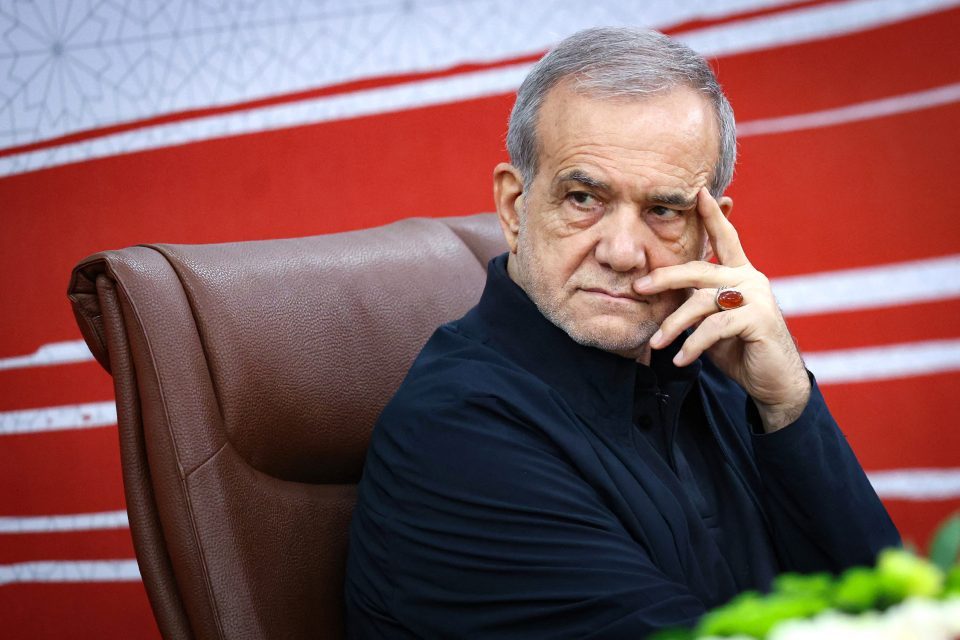
Source: Fortune
Summary
The Iranian leadership is showing increasing division as the economy continues to deteriorate, with moderate officials criticizing hardliners’ military-focused approach. Parliamentary speaker Mohammad Bagher Ghalibaf warned that economic instability threatens the country’s survival, while President Masoud Pezeshkian pushed for a ceasefire with the U.S. without conceding. Iran’s central bank governor confirmed that the U.S. blockade is preventing oil exports, and the UAE has imposed a trade embargo, worsening the crisis. Inflation has exceeded 80%, and the currency has lost significant value, prompting concerns about the regime’s ability to sustain the population.
Our Reading
The numbers tell one story.
Leadership splits grow as economy crumbles.
Officials blame U.S. sanctions and blockades.
Hardliners push for war, moderates seek relief.
Sanctions are tightening, not easing.
Author: Evan Null
Key Developments in Iran’s Economic Crisis
Iran’s leadership is experiencing a deepening split, with moderate officials expressing frustration over the hardliners’ focus on military action over economic relief. The country’s economy is in freefall, with inflation surpassing 80% and the currency losing value rapidly. The U.S. blockade has crippled oil exports, a critical revenue source, and the UAE’s new trade embargo has further isolated Iran. Despite these challenges, some officials are calling for diplomatic solutions, while others are pushing for a more aggressive stance.
President Masoud Pezeshkian has criticized hardliners for their stance on the U.S. ceasefire deal, emphasizing the need to end the conflict. He also claimed that Iran is in a position of strength and dignity, suggesting that the country has leverage to push for better terms. Meanwhile, the central bank governor admitted that the U.S. blockade has prevented Iran from exporting oil, worsening the economic situation. The situation is deteriorating quickly, with experts warning that the regime may not be swayed by public suffering.
Supreme Leader Mojtaba Khamenei has reshuffled the leadership, favoring hardliners who support a return to war. This shift has been accompanied by a more offensive military posture, with some officials suggesting preemptive attacks to extract concessions. At the same time, the U.S. is tightening its economic pressure, with Treasury Secretary Scott Bessent warning of unprecedented sanctions against countries and companies that do business with Iran. The situation remains volatile, with both sides preparing for further escalation.
The economic toll is already severe, with the International Monetary Fund forecasting a 6.1% contraction in Iran’s economy this year. The labor ministry reported over 1 million job losses by late May, and food prices have doubled in some cases. The regime has shown no signs of backing down, and the U.S. is preparing for a new phase of economic warfare. As tensions rise, the risk of further conflict increases, with both sides unwilling to compromise.
The U.S. is also facing its own challenges, with depleted munitions and readiness concerns among Navy ships stationed near Iran. President Donald Trump has avoided direct military confrontation, instead focusing on sanctions. His administration has promised an “economic D-Day” against Iran, signaling a shift in strategy. While details remain unclear, the message is clear: the U.S. is prepared to take more aggressive economic action if necessary. The situation remains tense, with both sides locked in a high-stakes standoff.