Source: ESPN
Summary
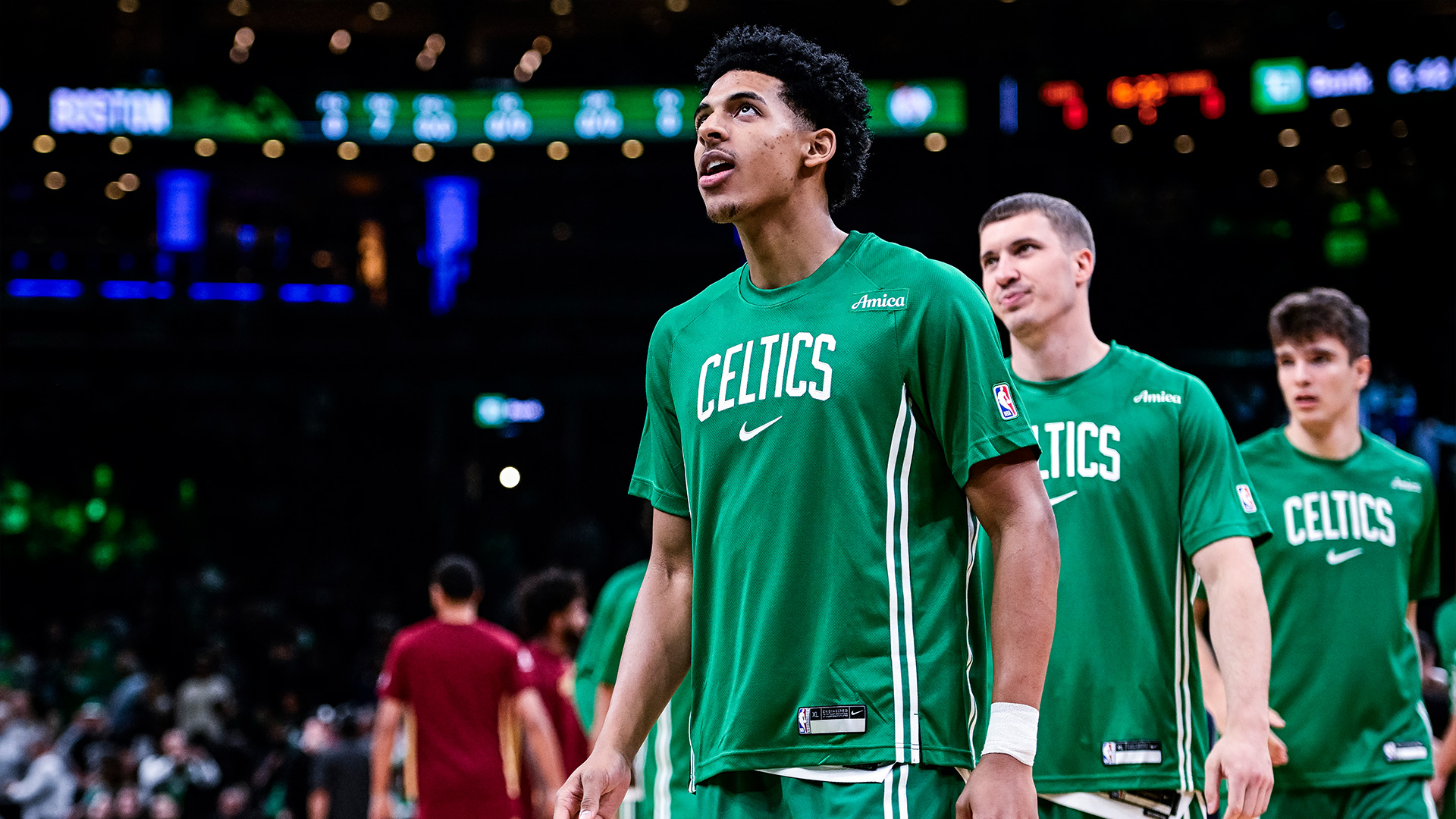
RJ Luis Jr., a former St. John’s player, was cleared by a Louisiana court to practice with LSU after a five-hour hearing. The NCAA had argued Luis was unlikely to be reinstated after leaving college to enter the NBA in 2025. Judge Ronald R. Johnson granted a preliminary injunction, allowing Luis to practice. Luis never played in an NBA game and had not joined the Celtics’ G League affiliate due to injury. His attorneys argued he should be treated like international players who were allowed to join college teams. The NCAA’s attorney said Luis’ situation was not comparable to others who played professionally overseas.
Our Reading
This one felt recognizable early.
Luis left college for the NBA, didn’t play, then tried to come back.
The NCAA said he was out, but the court said maybe.
Judge Johnson said he didn’t actually play pro ball.
The same rules don’t apply to overseas players, but they do for American ones.
It’s a legal game within a game, and the clock keeps ticking.
Author: Evan Null
RJ Luis Jr.’s Legal Battle
RJ Luis Jr., a former St. John’s standout, has been cleared by a Louisiana court to practice with LSU after a five-hour hearing. The NCAA had argued Luis was unlikely to be reinstated after leaving college to enter the NBA in 2025. Judge Ronald R. Johnson granted a preliminary injunction, allowing Luis to practice. Luis never played in an NBA game and had not joined the Celtics’ G League affiliate due to injury.
Legal Precedent
Luis’ attorneys argued he should be treated like international players who were allowed to join college teams. They stressed that Luis not only had never played in an NBA game, but also had not played for the Celtics’ G League affiliate because of an injury, and had far less of a professional basketball resume than numerous college players who’d been recruited from abroad.
NCAA’s Argument
NCAA attorney Taylor Askew argued that Luis’ situation was not comparable to those who played for the developmental squads of pro organizations overseas because Luis chose to leave college for the NBA. Askew noted that the only player in a similar situation to Luis was Alabama’s Charles Bediako, who won a temporary retraining order allowing him to play five games for Alabama last season before an Alabama judge ultimately sided with NCAA assertions that he was ineligible.
Judge’s Ruling
As he made his ruling, Johnson said, “In the court’s mind, (Luis) did not actually play professional basketball,” and that whether Luis was properly advised of his options at the time he left college “lings heavily before this court.” The timeline for the legal process was not immediately clear.
Legal Process Ahead
“I don’t know, but there’s a lot of discovery that Elliot and I have to obtain,” Clayton said. “We’ve got a lot of questions.” Luis’ attorneys said the case sets a precedent, but the NCAA remains unconvinced. The legal battle continues, with the outcome uncertain.