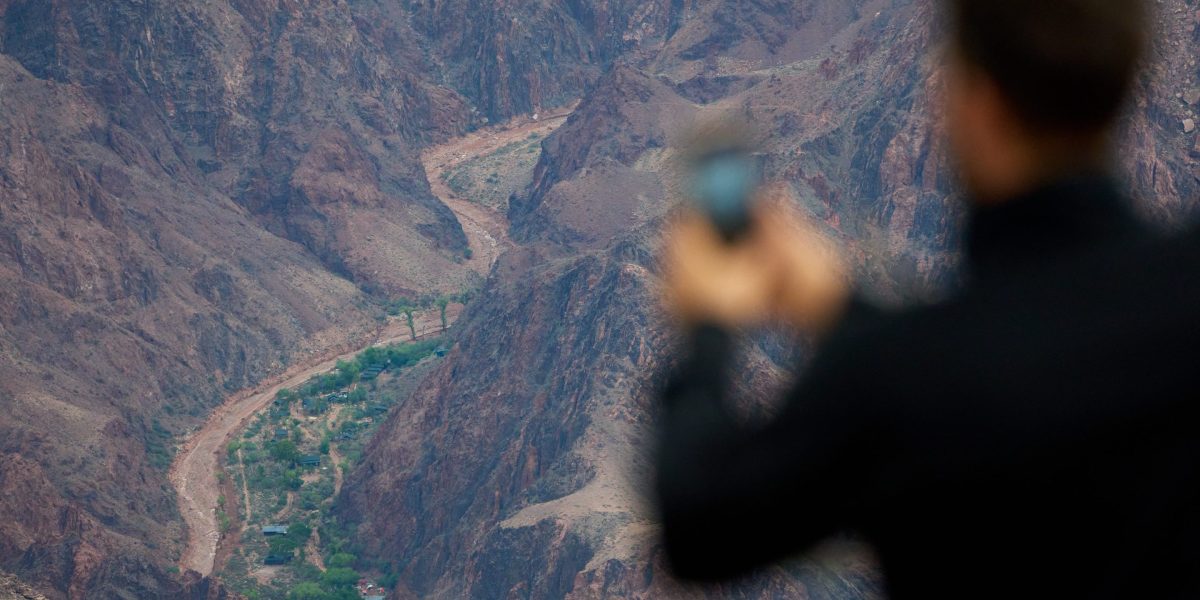
Source: Fortune
Summary
The Grand Canyon’s main water pipeline, crucial for millions of visitors, was severely damaged by flash flooding, with officials estimating 40% of the line affected. The 12.5-mile pipeline, which has broken over 85 times since 2010, is part of a $200 million upgrade project. The National Park Service reported at least two deaths and 80 people rescued during the floods. Water restrictions have been imposed, and repairs are expected to be complex due to the rugged terrain. The pipeline, built in the 1970s, has faced repeated issues, with past repairs requiring water trucking and conservation efforts.
Our Reading
The numbers tell one story.
Forty percent damage to a 12.5-mile pipeline. A $200 million upgrade project. Two deaths. 80 people rescued. Water restrictions. A 1970s pipeline with 85 breaks since 2010. A 50-year water supply plan. A flood that destroyed 40% of a project.
The park’s infrastructure has been tested before. The same pipeline caused restrictions in 2016 and 1995. Now, another flood. Another repair. Another challenge.
Officials say the pipeline is critical for visitors, residents, and operations. But it’s also a fragile lifeline. And it’s been this way for decades.
The situation is a reminder that even the most planned infrastructure can be undone by nature’s fury.
Author: Evan Null
Grand Canyon Pipeline Damage
The Grand Canyon’s main water pipeline, essential for millions of visitors, was severely damaged by flash flooding, with officials estimating 40% of the line affected. The 12.5-mile pipeline, which has broken over 85 times since 2010, is part of a $200 million upgrade project. The National Park Service reported at least two deaths and 80 people rescued during the floods. Water restrictions have been imposed, and repairs are expected to be complex due to the rugged terrain.
The pipeline, built in the 1970s, has faced repeated issues, with past repairs requiring water trucking and conservation efforts. The current damage threatens to disrupt operations and visitor access. The upgrade project, which began in 2023, aimed to improve the pipeline’s resilience and ensure a reliable water supply for the next 50 years.
The flooding has forced parts of the park to close, and additional flooding was possible. Officials advised visitors to change plans or check with ranger stations before recreating in vulnerable areas. The park had water conservation measures in place even before the latest damage.
The pipeline’s history of frequent breaks highlights the challenges of maintaining infrastructure in such a remote and rugged environment. The latest damage adds to the ongoing struggle to balance visitor needs with environmental and logistical constraints.
The situation underscores the vulnerability of even well-planned infrastructure to natural disasters. Despite years of upgrades and planning, the Grand Canyon’s water supply remains at the mercy of unpredictable weather events.
Impact on Visitors and Operations
The damage to the pipeline has disrupted water access for millions of Grand Canyon visitors and year-round residents. The National Park Service has implemented water restrictions, urging visitors to limit their usage. Overnight accommodations have been halted, and officials are working to manage the limited water supply on the South Rim.
The pipeline’s role in supporting the park’s operations is critical. It supplies water for law enforcement, rescue operations, clinics, and campgrounds. Without it, the park’s ability to function is severely limited. The current damage threatens to complicate these efforts further.
The pipeline’s history of frequent breaks has made it a recurring challenge for park officials. Past repairs required water trucking and conservation measures, and the same may be necessary now. The damage also threatens the progress of the ongoing $200 million upgrade project, which aims to improve the pipeline’s reliability.
The flood’s impact extends beyond the immediate water shortage. It has forced park closures and raised concerns about future flooding. Officials have warned visitors to reconsider their plans and check with ranger stations before heading to vulnerable areas.
The situation highlights the delicate balance between maintaining visitor access and ensuring the safety and sustainability of the park’s infrastructure. With the pipeline damaged and repairs complicated, the Grand Canyon faces a difficult challenge ahead.
History of Pipeline Issues
The Grand Canyon’s water pipeline has a long history of issues, with over 85 breaks since 2010. The 12.5-mile pipeline, built in the 1970s, has been a constant source of concern for park officials. Its location in a rugged and remote area makes repairs difficult and time-consuming, often requiring helicopters for basic fixes.
The pipeline’s design has also been a challenge. The original aluminum material was lightweight but prone to breaking. Engineers opted for a more durable flex-steel material to balance weight and strength. Despite these efforts, the pipeline continues to face frequent damage from rock falls and flash floods.
The current damage is not the first time the pipeline has been affected by flooding. In 1995, a 28-day repair effort required officials to truck in water. In 2016, a hotel on the rim had to reduce dishwashing and use paper plates due to water restrictions. The latest flood adds to this long list of challenges.
The pipeline’s vulnerability has led to ongoing upgrades and improvements. A $200 million project, which began in 2023, aimed to replace several miles of the pipeline and improve its resilience. However, the recent damage may complicate these efforts and delay the completion of the project.
The history of pipeline issues shows that even with upgrades and planning, the Grand Canyon’s water supply remains at the mercy of nature. The latest damage is another reminder of the challenges faced by park officials in maintaining this critical infrastructure.
Challenges of Pipeline Repair
Repairing the Grand Canyon’s pipeline is a complex and dangerous task, given the rugged terrain and remote location. The pipeline runs across a difficult landscape, requiring helicopters for many repairs. The current damage, which officials estimate at 40%, adds to the difficulty of the task.
The pipeline’s history of frequent breaks has made repairs a recurring challenge. Past efforts have required water trucking and conservation measures, and the same may be necessary now. The damage also threatens the progress of the ongoing $200 million upgrade project, which aims to improve the pipeline’s reliability.
The recent flooding has disrupted operations and forced water restrictions. Officials have urged visitors to limit their water usage and avoid certain areas. The situation highlights the fragility of the park’s infrastructure and the challenges of maintaining it in such a remote environment.
The pipeline’s role in supporting the park’s operations is critical. It supplies water for law enforcement, rescue operations, clinics, and campgrounds. Without it, the park’s ability to function is severely limited. The current damage threatens to complicate these efforts further.
The challenges of pipeline repair underscore the difficulty of maintaining infrastructure in the Grand Canyon. Despite years of upgrades and planning, the park’s water supply remains at the mercy of unpredictable weather events and natural disasters.
Future of the Pipeline and Park Operations
The future of the Grand Canyon’s pipeline remains uncertain following the recent damage. Officials are working to assess the full extent of the destruction, but the repair process is expected to be complex and time-consuming. The 12.5-mile pipeline, which has faced repeated issues, is now at the center of a major challenge for the National Park Service.
The ongoing $200 million upgrade project, which began in 2023, aimed to improve the pipeline’s resilience and ensure a reliable water supply for the next 50 years. However, the recent damage may delay or complicate these efforts. The project includes installing helicopter pads, building water treatment facilities, and replacing several miles of the pipeline.
The park’s water supply is critical for visitors, residents, and operations. Without a functioning pipeline, the park faces significant challenges in maintaining its services and ensuring visitor safety. The current damage has already led to water restrictions and the closure of parts of the park.
The situation highlights the vulnerability of even well-planned infrastructure to natural disasters. Despite years of upgrades and planning, the Grand Canyon’s water supply remains at the mercy of unpredictable weather events. The latest damage is another reminder of the challenges faced by park officials in maintaining this critical infrastructure.
The future of the pipeline and the park’s operations will depend on the success of the repair efforts and the ability of officials to manage the ongoing challenges. The situation underscores the need for continued investment and planning to ensure the long-term sustainability of the Grand Canyon’s water supply.