Source: Fox News
Summary
President Donald Trump and Senator Adam Schiff, a Democratic opponent, agree on the need for federal tax incentives to revive Hollywood. Trump, meeting with actor Jon Voight, called for legislation to save the entertainment industry. Schiff, who previously impeached Trump, said Congress should pass the tax incentive. Hollywood has lost 49,000 jobs since 2022, according to the Bureau of Labor Statistics. California’s film tax credit program was expanded but limited by Governor Gavin Newsom. Georgia and New York offer larger tax breaks than California.
Our Reading
As expected, the matter has reached another stage.
Trump and Schiff both say jobs are lost.
They talk about tax breaks and Hollywood.
Newsom limits incentives, but others offer more.
It feels like a routine about where to place the money.
Author: Evan Null
Common Ground in a Divided Landscape
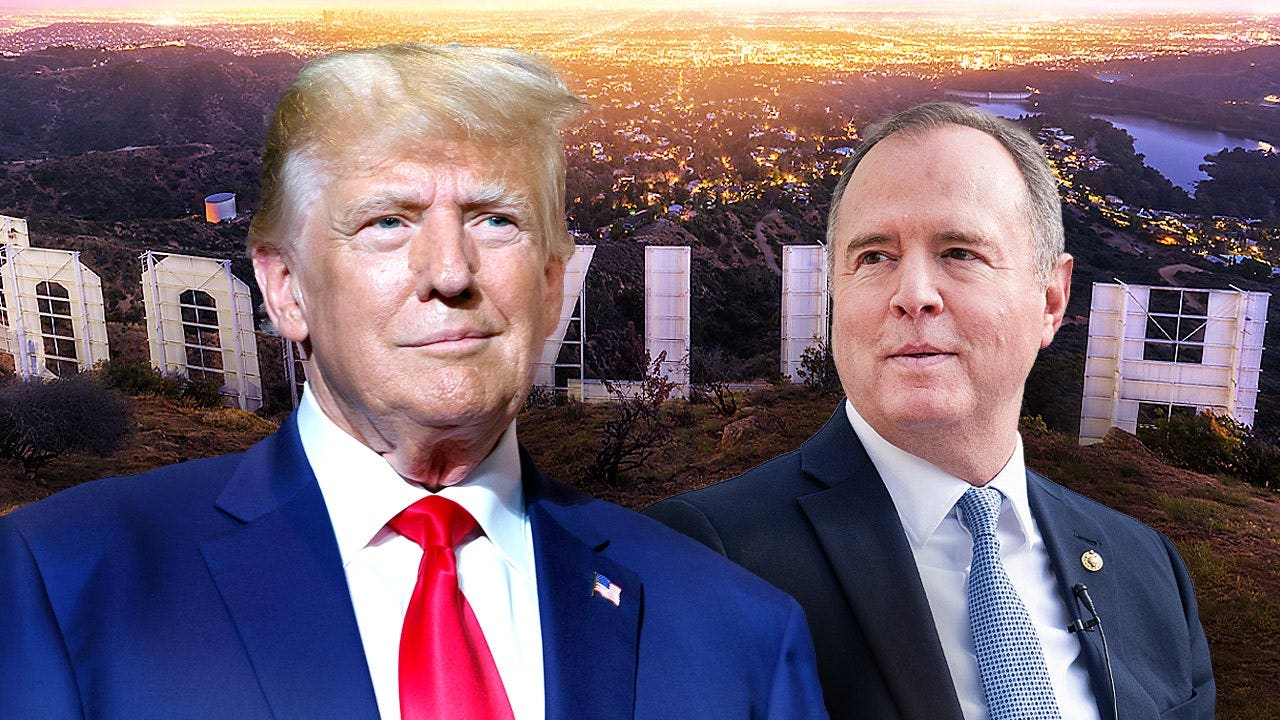
President Donald Trump and Senator Adam Schiff, a long-time political adversary, have found a shared interest in revitalizing Hollywood. Their collaboration centers on federal tax incentives aimed at bringing back jobs lost to other states and countries. Both acknowledge the decline in the entertainment industry, with Trump describing Hollywood as a “complete and total disaster.” Schiff, despite his history of opposing Trump, agrees that Congress should act quickly to pass the tax incentive.
Political Routines and Shared Goals
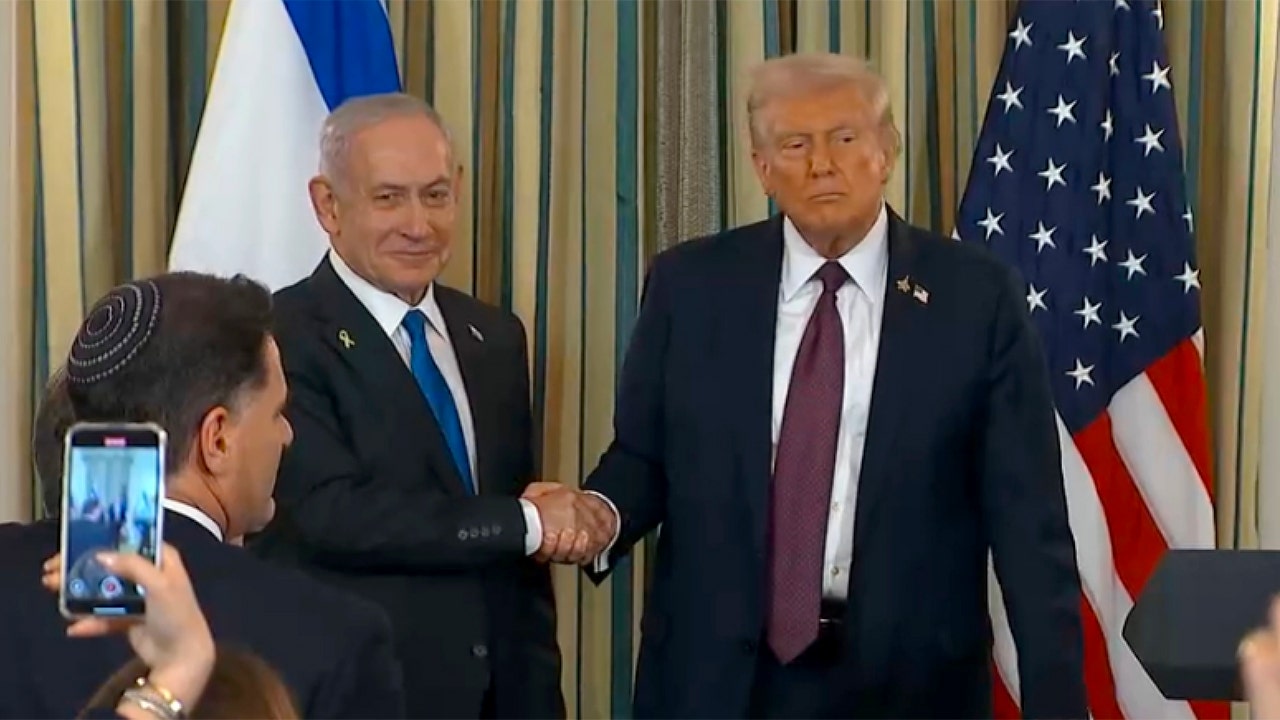
The meeting between Trump and Jon Voight highlights the ongoing effort to attract film production back to the U.S. Voight, the U.S. special ambassador to Hollywood, supports the push for federal tax incentives. Trump emphasizes the need for immediate legislative action, calling for a “Federal Production Incentive” to create jobs. The discussion reflects a familiar pattern in politics where ideological differences are set aside for economic concerns.
California’s Struggle Against Competition
California, once the heart of the entertainment industry, has seen its influence wane as other states and countries offer more generous tax breaks. The state legislature increased its film and television tax credit program, but Governor Gavin Newsom imposed a $5 million cap, limiting its effectiveness. This move has drawn criticism from industry leaders who argue it hinders efforts to bring productions back to California.
State and International Competition
Georgia and New York offer significantly higher tax incentives than California, with Georgia providing over $1 billion and New York offering around $800 million. Canada and the United Kingdom also attract film production with their favorable tax policies. Trump and Voight argue that federal incentives are necessary to compete with these regions and restore Hollywood’s former glory.
Political Rhetoric and Industry Needs
Trump’s rhetoric about “making Hollywood great again” mirrors his broader campaign promises, suggesting a strategic alignment with industry interests. The call for federal tax incentives reflects a broader political strategy that blends economic concerns with ideological messaging. Despite the shared goal of revitalizing the entertainment sector, the discussion remains framed in political terms, emphasizing the need for bipartisan action.