Source: Fortune
Summary
Dubai International Airport handled 8.7 million passengers in January 2026, one of its busiest months. However, by June 2026, passenger traffic had dropped 31.3% compared to the same period in 2025. The airport faced ballistic missile alerts during the Iran conflict, which disrupted travel. Dubai Airports CEO Paul Griffiths said traffic is recovering, with monthly numbers rising from 3.5 million to 5 million. He expects full recovery by year-end, though annual traffic is projected to be around 70 million, below the 2025 record of 95.2 million. Competitors like Incheon International Airport saw increased traffic as travelers shifted routes.
Our Reading
The numbers tell one story.
Dubai International Airport saw a sharp drop in passenger traffic in 2026, but the CEO claims recovery is underway.
Ballistic alerts forced operational changes, including refueling at a secondary airport.
Competition is rising as travelers shift to other hubs like Seoul and Singapore.
The war is seen as a temporary disruption, not a long-term shift in aviation strategy.
Author: Evan Null
Dubai International Airport’s 2026 Performance
Dubai International Airport began 2026 with 8.7 million passengers in January, marking one of its busiest months. However, the airport faced significant challenges as the Iran conflict disrupted travel across the Gulf. The airport received over 100 ballistic missile alerts, forcing operational adjustments.
By June 2026, passenger traffic had dropped 31.3% compared to the same period in 2025. Aircraft movements fell 32.1%, and cargo volumes declined 28.7%. Despite these setbacks, the airport reported a gradual recovery, with monthly passenger numbers rising from 3.5 million in April to 5 million in June.
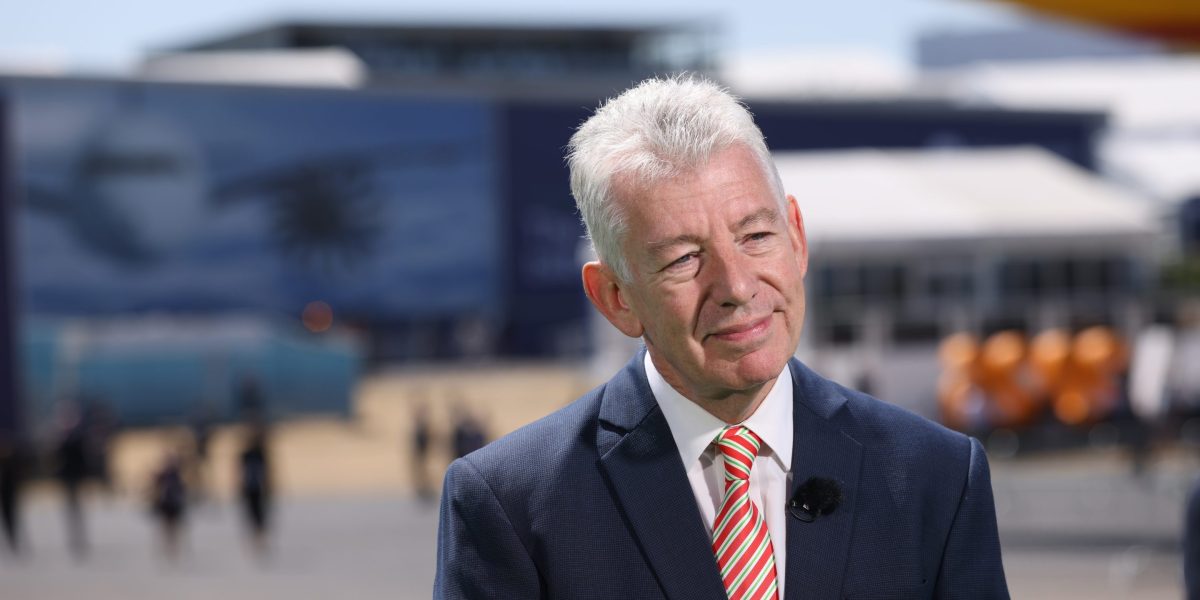
Dubai Airports CEO Paul Griffiths expressed confidence that the airport would return to 100% of its operations by the end of 2026. He cited increased load factors and resumed airline services as signs of progress. However, the airport is still expected to handle around 70 million passengers for the full year, far below the 2025 record of 95.2 million.
The conflict has given competitors like Incheon International Airport an opportunity, with transfer traffic to Dubai dropping significantly. Some major airlines, including British Airways and Lufthansa, have delayed resuming flights to Dubai.
Despite the challenges, Dubai Airports continues to invest in infrastructure, including the $35 billion expansion of Al Maktoum International Airport, which is still on track for 2032. The airport is focusing on efficiency rather than strategic shifts, viewing the war as a temporary disruption.
CEO’s Confidence Amid Crisis
Dubai Airports CEO Paul Griffiths has repeatedly emphasized his confidence in the airport’s recovery. He told Fortune that the airport is now operating at about 80% of last year’s level, with Emirates and flydubai at 90% of their 2025 capacity. Griffiths believes the disruption caused by the Iran conflict is temporary and that full recovery is achievable by the end of 2026.
He acknowledged the impact of the war on international travel, noting that Gulf carriers had previously dominated traffic between Europe and Asia. However, the conflict has led to a 47% drop in Middle Eastern transfer traffic on those routes, with travelers shifting to hubs like Seoul, Singapore, and Istanbul.
Griffiths also highlighted the airport’s ability to adapt during the crisis, including moving passengers to safe areas and using a “splash and dash” refueling strategy when necessary. He said the airport has used the slowdown to implement infrastructure upgrades, including biometric systems and smarter operational technology.
Despite the challenges, the CEO remains focused on long-term goals. He emphasized that previous disruptions, such as the financial crisis and the pandemic, did not alter Dubai’s aviation ambitions. The airport’s leadership has not changed its strategy, even in the face of the current conflict.
Griffiths also questioned why some government travel advisories have not caught up with the current conditions, arguing that it is safe to travel to the UAE. He believes the shift in traffic is temporary and that airlines will return to Dubai as conditions stabilize.
Impact of the Iran Conflict on Aviation
The Iran conflict has had a profound impact on aviation in the Gulf region. Dubai International Airport, which had been the world’s busiest for international passengers in 2025, faced significant disruptions in early 2026. The airport received over 100 ballistic missile alerts, forcing it to implement emergency protocols, including moving passengers to safe areas and using alternative refueling strategies.
The conflict has also led to a shift in travel patterns. Airlines have rerouted flights to avoid the region, with some major carriers, like British Airways and Lufthansa, delaying resumptions of service to Dubai. This has given competitors like Incheon International Airport an opportunity, as transfer traffic to Dubai dropped by 47% year-over-year.
Despite the challenges, Dubai Airports has continued to invest in infrastructure. The $35 billion expansion of Al Maktoum International Airport remains on track for 2032, with significant progress already made. The airport is focusing on efficiency and modernization, rather than changing its long-term strategy.
Griffiths has repeatedly stated that the current situation is a short-term disruption, not a long-term shift. He has emphasized that previous crises, such as the financial crisis and the pandemic, did not alter Dubai’s aviation ambitions. The airport’s leadership remains committed to its goals, even in the face of ongoing conflict.
The CEO also addressed concerns about travel advisories, arguing that conditions in the UAE are safe. He believes the shift in traffic is temporary and that airlines will return to Dubai as the situation stabilizes.
Recovery and Strategic Focus
Dubai Airports has been working to recover from the impact of the Iran conflict, with passenger numbers gradually increasing. By June 2026, monthly traffic had risen to 5 million, up from 3.5 million in April. Griffiths said the airport is now operating at about 80% of last year’s level, with Emirates and flydubai at 90% of their 2025 capacity.
The CEO has expressed confidence that full recovery is achievable by the end of 2026. He cited increased load factors and resumed airline services as signs of progress. However, the airport is still expected to handle around 70 million passengers for the full year, far below the 2025 record of 95.2 million.
Despite the challenges, Dubai Airports has continued to invest in infrastructure, including the $35 billion expansion of Al Maktoum International Airport. The project remains on track for 2032, with 10 million work hours logged and significant construction progress made.
Griffiths has emphasized that the current situation is a temporary disruption, not a long-term shift. He has stated that previous crises, such as the financial crisis and the pandemic, did not alter Dubai’s aviation ambitions. The airport’s leadership has not changed its strategy, even in the face of ongoing conflict.
Griffiths also addressed concerns about travel advisories, arguing that conditions in the UAE are safe. He believes the shift in traffic is temporary and that airlines will return to Dubai as the situation stabilizes.
Competitive Shifts and Long-Term Goals
The Iran conflict has led to a shift in aviation traffic, with travelers opting for alternative hubs. Incheon International Airport saw a 18% increase in transfer traffic in the first half of 2026, surpassing Dubai and Heathrow in preliminary data. This shift has given competitors an advantage, as some airlines have moved their operations away from the Gulf region.
Dubai Airports CEO Paul Griffiths has acknowledged the impact of the conflict but remains confident in the airport’s long-term position. He has stated that the disruption is temporary and that airlines will return to Dubai as conditions improve. Griffiths also emphasized that the airport’s leadership has not changed its strategy, despite the ongoing conflict.
The airport has continued to invest in infrastructure, including the $35 billion expansion of Al Maktoum International Airport. The project is still on track for 2032, with significant progress already made. Griffiths has stated that the focus is on efficiency and modernization, rather than strategic shifts.
Griffiths has also addressed concerns about travel advisories, arguing that the UAE is a safe destination. He believes the shift in traffic is temporary and that airlines will resume services to Dubai as the situation stabilizes. The airport’s leadership remains committed to its long-term goals, even in the face of ongoing challenges.
Despite the disruptions, Dubai Airports continues to position itself as a global aviation hub. The airport’s ability to adapt and recover from crises has been a key factor in its resilience, and the leadership remains focused on long-term growth and expansion.