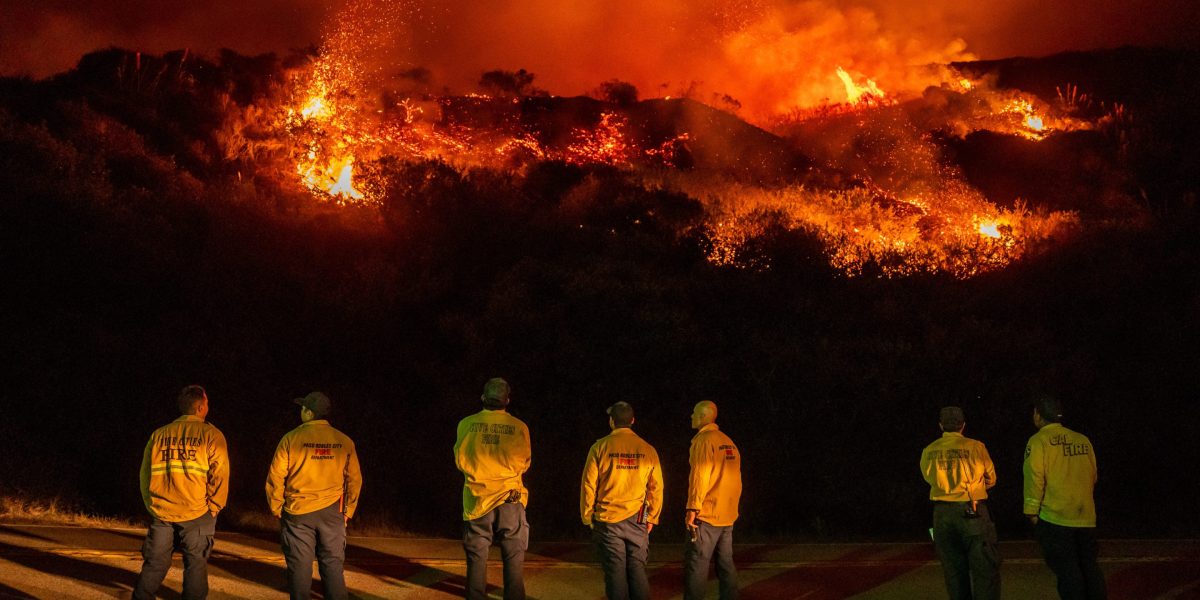
Source: Fortune
Summary
The United Nations has acknowledged that Earth has already passed the threshold for preventing the worst impacts of global warming, according to a new report from the United Nations Environment Programme. The report states that the world is expected to exceed the 1.5°C warming limit set by the 2015 Paris climate accord in the next few years. Scientists and U.N. officials suggest that the focus should shift to limiting warming and then cooling the planet back to the target. The report warns of increased weather-related disasters, rising seas, and melting ice if temperatures continue to rise. U.N. officials say the goal of 1.5°C remains, but the approach must change.
Our Reading
The numbers tell one story.
Earth is at 1.4°C above pre-industrial levels, nearing 1.5°C.
Report admits warming will exceed 1.5°C in the next few years.
Current policies could push temperatures to 2.6°C by 2100.
The U.N. now focuses on cooling after overshoot, but it’s a risky path.
Author: Evan Null
Passing the longtime warming threshold
The United Nations has acknowledged that the world has passed the threshold for preventing the worst impacts of global warming. A new report from the United Nations Environment Programme states that Earth is expected to exceed the 1.5°C warming limit set by the 2015 Paris climate accord in the next few years. The report highlights that the world is now at 1.4°C above pre-industrial levels, based on a 20-year average. Despite earlier claims that the 1.5°C goal was still achievable, the report now admits that the limit will be crossed soon.
The report outlines a new strategy that involves allowing temperatures to rise beyond 1.5°C before bringing them back down. This approach, called “overshoot,” involves ending fossil fuel use and developing methods to remove carbon dioxide from the air. U.N. officials say the 1.5°C target is still the goal, but the approach must change. The report also warns that even small reductions in warming can make a difference.
Experts say that the most optimistic scenario has warming peaking at 1.8°C around mid-century if countries pursue ambitious climate goals. However, current government policies are expected to push temperatures to 2.6°C by 2100. The report emphasizes that the world must now prepare for a future where temperatures exceed 1.5°C before cooling down. This could lead to decades of increased weather-related disasters, rising seas, and melting ice.
U.N. officials stress that the 1.5°C target is still important, but the path to achieving it has changed. The report calls for a shift in strategy, focusing on limiting the peak temperature and reducing the time above 1.5°C. Scientists warn that every five years of delay in reducing emissions adds at least a tenth of a degree to peak warming. The report also highlights the need for more innovative carbon removal approaches, as traditional methods like planting trees may not be sufficient.
Despite the bleak outlook, the report says that acting now can still make a difference. It warns of “tipping points” with irreversible effects, including the loss of major ice sheets and the Amazon rainforest. The report also highlights the need for adaptation efforts, especially for the most vulnerable populations. While the situation is dire, the U.N. and scientists say that there is still a chance to limit the worst impacts of climate change.
Limiting how high temperatures go past threshold is key
Limiting the peak temperature is the most critical step in the U.N.’s new strategy. UNEP Executive Director Inger Andersen emphasized that the focus should be on first limiting the new peak temperature and then reducing the amount of time the world spends above 1.5°C. However, scientists warn that the overshoot period could last “many, many decades.” The report states that every five years of delay in reducing emissions adds at least a tenth of a degree to peak warming, making the situation more difficult to manage.
The report highlights that acting now can still limit the overshoot, even if it doesn’t create a “safe world.” It suggests that the world could avoid the worst long-term impacts by reducing emissions quickly. However, the report also warns that the traditional approach of planting trees to remove carbon dioxide from the air may not be enough. Scientists argue that more innovative and reliable methods of carbon removal will be needed to achieve the goal of cooling the planet.
Despite the challenges, the U.N. and scientists remain focused on the 1.5°C target. They say that even small reductions in warming can lead to significant benefits, such as fewer extreme weather events and less damage to ecosystems. The report also emphasizes the importance of adaptation efforts, as some impacts of climate change are unavoidable. Governments are urged to increase their efforts to cope with the worsening effects of global warming, especially for the most vulnerable populations.
Experts like Andrew Weaver, a climate scientist at the University of Victoria, argue that the 1.5°C target is still important, even if it’s no longer achievable in the short term. He says that every tenth of a degree of warming avoided can make a difference. However, other scientists, like Bill Hare, CEO of Climate Analytics, criticize the report for not providing a clear path forward. They argue that the U.N. needs to do more to show how the world can actually achieve the goal of limiting warming to 1.5°C.
The report also warns of “tipping points” that could lead to irreversible and cascading effects. These include the loss of major ice sheets, the Amazon rainforest, and the Atlantic Ocean circulation system. The report suggests that some locations could become uninhabitable or uninsurable due to the worsening climate. While the situation is dire, the U.N. and scientists say that there is still a chance to limit the worst impacts of climate change through global cooperation and innovative solutions.
Adapting to a deadlier, hungrier, thirstier world
The report calls for increased efforts to adapt to the worsening effects of global warming, especially for the most vulnerable populations. UNEP Executive Director Inger Andersen said that governments need to focus on “coping and containment” during the overshoot period. This phase involves dealing with the immediate impacts of climate change, such as more frequent and severe weather events, food shortages, and water scarcity. The report warns that these effects will hit the poor the hardest, as they have fewer resources to cope with the changes.
During the overshoot period, more people will die or get sick due to the worsening climate and its extreme weather. Food production is expected to decline, leading to increased hunger and malnutrition. Water shortages will become more severe, affecting both human populations and ecosystems. The report also highlights the economic impacts of climate change, including damage to infrastructure and reduced productivity. Species like coral reefs are at risk of extinction, and the loss of biodiversity could have long-term consequences for the planet.
Scientists warn that the triggers behind recent climate-related disasters, such as the deadly flooding in Nepal caused by a dislodged Himalayan glacier, are complex. However, they agree that such events will become more frequent as temperatures continue to rise. The report emphasizes the need to limit peak warming to reduce the frequency and severity of these disasters. It also warns of “tipping points” that could lead to irreversible changes, such as the loss of major ice sheets and the Amazon rainforest.
The report highlights the need for more innovative and reliable methods of carbon removal to cool the planet. While planting trees is a traditional approach, it may not be sufficient to achieve the goal of limiting warming. Scientists argue that more advanced technologies, such as direct air capture and carbon storage, will be needed to remove large amounts of carbon dioxide from the atmosphere. However, these methods are still in the early stages of development and may be expensive to implement at scale.
Despite the challenges, the U.N. and scientists remain focused on the 1.5°C target. They say that even small reductions in warming can lead to significant benefits, such as fewer extreme weather events and less damage to ecosystems. The report also emphasizes the importance of adaptation efforts, as some impacts of climate change are unavoidable. Governments are urged to increase their efforts to cope with the worsening effects of global warming, especially for the most vulnerable populations.
Climate change is no longer a distant threat
The report underscores that climate change is no longer a distant threat but a present reality. The U.N. has acknowledged that the world has already passed the threshold for preventing the worst impacts of global warming. This means that the focus must shift from preventing warming to limiting its effects and eventually cooling the planet. The report warns that the consequences of inaction will be severe, with increased weather-related disasters, rising seas, and melting ice.
Scientists and U.N. officials emphasize that the 1.5°C target is still important, but the path to achieving it has changed. The report outlines a new strategy that involves allowing temperatures to rise beyond 1.5°C before bringing them back down. This approach, called “overshoot,” requires ending fossil fuel use and developing methods to remove carbon dioxide from the air. However, experts warn that this path is risky and may not be achievable in the long term.
The report highlights the need for immediate action to reduce emissions and limit the peak temperature. Every five years of delay in reducing emissions adds at least a tenth of a degree to peak warming, making the situation more difficult to manage. The report also warns of “tipping points” with irreversible effects, including the loss of major ice sheets and the Amazon rainforest. These changes could have cascading effects on the planet, making it even harder to reverse the damage.
Despite the bleak outlook, the U.N. and scientists say that there is still a chance to limit the worst impacts of climate change. The report emphasizes that acting now can still make a difference, even if it doesn’t create a “safe world.” It calls for a shift in strategy, focusing on limiting the peak temperature and reducing the time above 1.5°C. The report also highlights the need for more innovative and reliable methods of carbon removal to cool the planet.
As the world faces the reality of climate change, the U.N. and scientists urge global cooperation and innovative solutions. The report serves as a wake-up call, emphasizing that the time to act is now. While the challenges are significant, the U.N. and scientists remain focused on the goal of limiting warming to 1.5°C, even if it means changing the approach to achieve it.
U.N. report signals a shift in climate strategy
The U.N. report signals a shift in climate strategy, acknowledging that the world has already passed the threshold for preventing the worst impacts of global warming. This means that the focus must now be on limiting the effects of warming and eventually cooling the planet. The report outlines a new approach that involves allowing temperatures to rise beyond the 1.5°C limit before bringing them back down. This strategy, called “overshoot,” requires ending fossil fuel use and developing methods to remove carbon dioxide from the air.
U.N. officials emphasize that the 1.5°C target is still important, but the path to achieving it has changed. The report highlights the need for immediate action to reduce emissions and limit the peak temperature. Every five years of delay in reducing emissions adds at least a tenth of a degree to peak warming, making the situation more difficult to manage. The report also warns of “tipping points” with irreversible effects, including the loss of major ice sheets and the Amazon rainforest.
Experts argue that the traditional approach of planting trees to remove carbon dioxide from the air may not be enough to achieve the goal of cooling the planet. More innovative and reliable methods of carbon removal will be needed, such as direct air capture and carbon storage. However, these methods are still in the early stages of development and may be expensive to implement at scale. The report also highlights the need for increased efforts to adapt to the worsening effects of climate change, especially for the most vulnerable populations.
Despite the challenges, the U.N. and scientists remain focused on the 1.5°C target. They say that even small reductions in warming can lead to significant benefits, such as fewer extreme weather events and less damage to ecosystems. The report also emphasizes the importance of adaptation efforts, as some impacts of climate change are unavoidable. Governments are urged to increase their efforts to cope with the worsening effects of global warming, especially for the most vulnerable populations.
The report serves as a wake-up call, emphasizing that the time to act is now. While the challenges are significant, the U.N. and scientists remain focused on the goal of limiting warming to 1.5°C, even if it means changing the approach to achieve it. The report highlights the need for global cooperation and innovative solutions to address the growing threat of climate change.