
Victorian-era ‘vinegar valentines’ show that trolling existed long before social media or the internet
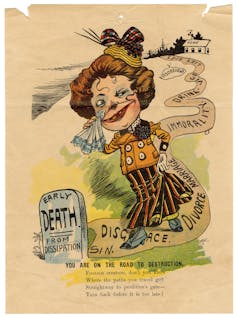
Source: Fortune.com
Summary
Vinegar valentines, also known as “mock or mocking valentines,” were a type of card popular in the Victorian era that poked fun at or insulted the recipient. These cards were often anonymous and were used to enforce social norms or express anger and frustration. They were produced alongside traditional Valentine’s Day cards and were popular in both Britain and the United States. The cards were often decorated with caricatures and contained messages that were meant to shock, offend, or upset the recipient.
Our Reading
The strategy enters a familiar phase.
Vinegar valentines were a way for ordinary people to feel powerful over vulnerable individuals. The cards were often used to enforce social norms and express anger and frustration. They were popular during the American Civil War and were used to express anti-suffrage sentiments. The cards continued to be popular through the early 1900s and saw a revival in the 1950s with the rise of comic postcards.
The spirit of the vinegar valentine lives on in the form of anonymous internet trolls.
The numbers tell a story of a culture that used humor to mask malice.
The announcement sounds familiar, but the context is lost in time.
The tradition of vinegar valentines is a reminder that the past is not always a kind and gentle place.
Author: Evan Null
