Source: Bitcoin Policy Institute
Summary
A new report from the Bitcoin Policy Institute proposes “data center dividends” as a way to counter opposition to AI data centers in rural America. The plan would return part of property tax revenue generated by data centers directly to households, potentially offering annual payments between $4,500 and $8,900. The report argues that local communities should benefit from the economic gains of AI development. It cites growing opposition to data centers, with 71% of Americans opposing their construction in their area. The proposal would use existing tax revenue, not new taxes, to fund the dividends.
Our Reading
As expected, the matter has reached another stage.
Residents in rural areas are being offered checks from data center taxes.
Groups funded by a tech tycoon in Shanghai are opposing the centers.
Propaganda campaigns describe tech executives as oligarchs and imperialists.
It’s a familiar script: wealth flows to the few, while the many get checks.
Author: Evan Null
Opposition to Data Centers Grows
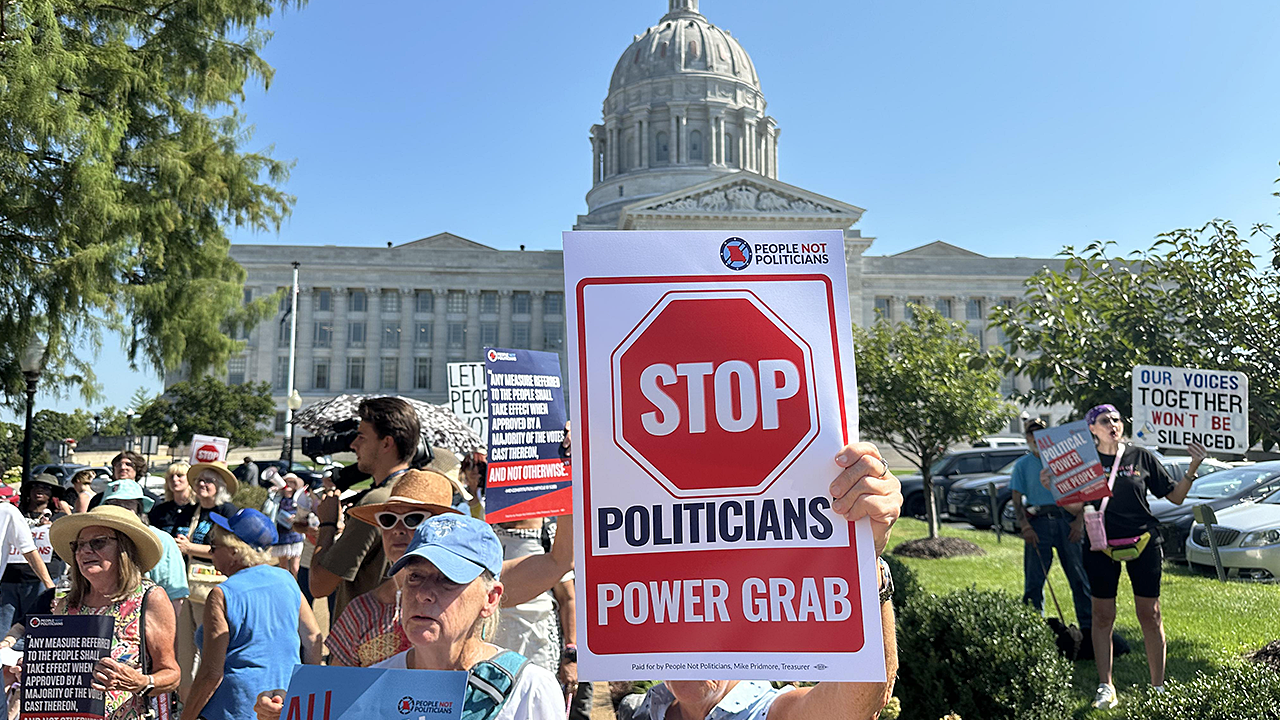
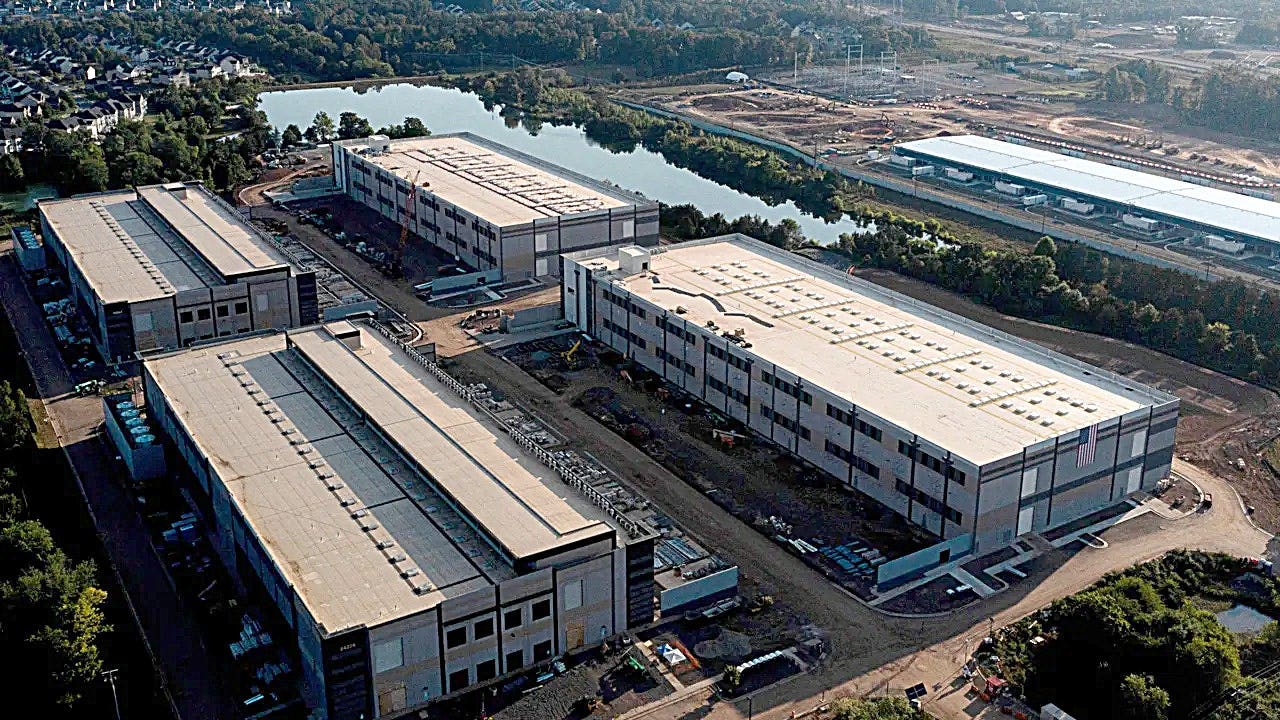
Opposition to artificial intelligence data centers is increasing across rural America. A new report from the Bitcoin Policy Institute suggests that data center dividends could help counter this backlash by allowing residents to share in the wealth generated by these technology hubs.
The report highlights that 71% of Americans oppose the construction of an AI data center in their area, while only 53% oppose a nearby nuclear plant. This growing opposition has led to an increase in local data center moratoriums, from six in 2024 to 294 last month.
The proposal would redirect a portion of property tax revenue collected from data centers directly to households. This would not require new taxes or increased costs for developers. Instead, it would use existing revenue to fund annual payments to residents.
The report notes that rural counties have two key assets for AI development: land and abundant power. It argues that these communities should benefit directly from the economic gains of the AI buildout.
The idea of data center dividends is gaining attention as a way to address concerns about the costs and benefits of AI infrastructure. It aims to ensure that local communities are not left out of the AI boom.
Foreign Influence and Domestic Backlash
The opposition to data centers has been fueled by a network of socialists and communist nonprofits funded by Neville Roy Singham, a tech tycoon based in Shanghai. These groups are linked to the Chinese Communist Party and promote a “new world order” aligned with Chinese leader Xi Jinping.
These groups have launched aggressive media campaigns against data centers and Flock surveillance cameras. They promote China as a technological powerhouse and criticize U.S. technology companies. This has led to a broader coalition of conservatives and centrists opposing data centers.
Rob Joyce, former director of cybersecurity at the National Security Agency, warned that foreign influence is shaping the debate. He said that foreign actors do not need Americans to become pro-China, but rather to support outcomes that align with Beijing’s interests.
The report argues that these influence actions are a form of “cognitive warfare.” It suggests that a free society that cannot build and govern advanced technology may end up relying on adversaries like China, which does not share American values.
The opposition to data centers has been amplified by propaganda campaigns that describe tech executives as “oligarchs” and “imperialists.” One of the key messages in these campaigns is “People Over Profits.”
Data Center Dividends as a Solution
The Bitcoin Policy Institute’s report proposes that data center dividends could reverse the momentum in the data center debate. By giving residents a direct stake in the AI economy, the proposal aims to address concerns about the costs and benefits of data center construction.
Sam Lyman, head of research at the nonprofit, said that many Americans believe technology companies are reaping the benefits of the AI boom while local communities bear the costs. He argued that data center dividends would give every American in rural areas a share in the material prosperity of AI.
The report estimates that a single one-gigawatt AI data center could generate enough tax revenue to provide households in a typical rural county between $4,500 and $8,900 annually in a “data center dividend.” This would be funded entirely from existing tax revenue, without creating new taxes or increasing costs for developers.
The model would allow counties to continue funding essential services like schools, roads, and police before returning a portion of the remaining revenue to residents. This could be done through annual checks, direct deposits, tax credits, utility bill credits, or permanent investment funds.
The report cites examples from Louisiana and Alaska, where new policies are attempting to distribute wealth from data centers and state-owned investments to residents.
Public Perception and Economic Concerns
Polling cited in the report found that 73% of Americans believe the costs of data center construction outweigh the benefits. Voters also overwhelmingly believe that AI will primarily enrich executives and business owners rather than workers.
The report argues that direct payments to residents would create stronger public support than simply lowering taxes or expanding government spending. It suggests that residents would see the benefit of data center dividends more clearly than other forms of economic support.
Sam Lyman, a former senior advisor and speechwriter for Treasury Secretary Scott Bessent, said that the opposition to data centers is driven by a sense of exclusion from the AI boom. He believes that data center dividends would help address this feeling by giving rural Americans a stake in the AI economy.
The report emphasizes that rural counties have two key assets for AI development: land and abundant power. It argues that these communities should share directly in the economic gains generated by the AI buildout.
By offering data center dividends, the proposal aims to ensure that rural Americans benefit from the AI revolution alongside the engineers and developers who are driving it forward.
Policy and Implementation Challenges
The report outlines several options that communities could adopt to implement data center dividends. These include annual checks, direct deposits, tax credits, utility bill credits, or permanent investment funds. The goal is to ensure that residents see a direct benefit from the economic gains of AI infrastructure.
In Louisiana, policymakers are attempting to distribute new-found wealth from data centers. The state’s Act 434 allows local officials to provide property tax credits funded by new revenue. However, an earlier proposal for direct cash payments was removed from the law.
If the cash provision had remained, the report estimates that households could have received about $5,600 annually if one-quarter of the revenue were distributed, or $11,200 annually if half the revenue were shared with residents after funding government services.
Alaska’s Permanent Fund provides a model for how state-owned investments can be used to distribute wealth to residents. The fund collects part of Alaska’s revenues from oil production and disburses part of the returns as an annual dividend.
The report suggests that similar models could be applied to data center revenue, ensuring that local communities benefit from the economic gains of AI development. It argues that this approach would help counter opposition and create broader public support for data centers in rural areas.