Source: Fortune.com
Summary
Oil prices rose above $100 a barrel for the first time since July due to attacks on oil facilities and ships in the Middle East. Brent crude hit $100.72, while U.S. crude reached $95.25. Gasoline prices increased to $4.22 per gallon, and diesel hit an all-time high of $5.94. Airlines have cut flights and raised fares due to high jet fuel costs. Bank of America analysts said a deal to ease tensions between the U.S. and Iran is unlikely before the midterm elections, with oil prices potentially reaching $120 a barrel if disruptions continue.
Our Reading
The numbers tell one story.
Oil prices hit $100 as attacks disrupt supply.
Gasoline and diesel prices surge, hitting record highs.
Airlines cut flights and raise fares due to high fuel costs.
Analysts say a deal between U.S. and Iran is unlikely, keeping prices volatile.
Energy costs are shaping the political and economic landscape.
Author: Evan Null
Oil Prices Surge Amid Middle East Tensions
The price of oil surpassed $100 a barrel for the first time since July, driven by attacks on oil facilities and ships in the Middle East. These attacks have further strained an already weakened supply chain, causing Brent crude to jump nearly 3% to $100.72. U.S. benchmark crude also saw a rise, gaining 2.4% to $95.25 a barrel.
Gasoline prices in the U.S. have also increased sharply, with the average price for a gallon of regular gasoline rising 7 cents overnight to $4.22. This is now more than a dollar higher than the same time last year, according to AAA. Diesel prices, which have a significant impact on consumers, hit an all-time high of $5.94 per gallon and continue to climb.
Jet fuel prices have become so high that both U.S. and international airlines have had to cut flights and raise fares and fees. This comes after the U.S. military reported striking five Iranian tankers in response to attempted missile attacks on a Navy warship and attacks by an Iranian-backed Houthi rebel group on oil facilities in Saudi Arabia.
Crude oil prices have been volatile since the war between Israel and the U.S. and Iran began. The fighting has disrupted shipping through the Strait of Hormuz, a critical waterway for global oil supply. Brent crude has fluctuated between $70 and $100 a barrel, with prices swinging between $72 and $102 in July.
Bank of America analysts have raised their oil price forecast for the second half of the year to $83 a barrel due to persistent disruptions in the Strait of Hormuz. They also warned that if attacks continue, prices could reach $95 to $120 a barrel, with potential spikes up to $150 a barrel if major energy infrastructure is damaged.
Strategic Disruptions and Market Reactions
The attacks on oil facilities and ships in the Middle East have led to significant disruptions in the global oil supply chain. These disruptions have caused oil prices to rise sharply, with Brent crude hitting $100.72 and U.S. crude reaching $95.25. The situation has been exacerbated by the ongoing conflict between the U.S. and Iran, which has led to a blockade of Iranian ports and oil tankers.
Gasoline and diesel prices have also seen significant increases, with gasoline hitting $4.22 per gallon and diesel reaching an all-time high of $5.94. These price hikes have had a direct impact on consumers and businesses, particularly in countries outside the U.S. where energy costs have been a major burden this year.
Airlines have been forced to cut flights and raise fares due to the high cost of jet fuel. This has led to increased costs for travelers and has put additional pressure on the already strained airline industry. The situation is further complicated by the fact that the U.S. and Iran are still in the process of negotiations over a preliminary deal to end the conflict.
The negotiations have been stalled over control of the Strait of Hormuz, with Iran insisting on its right to set terms and charge fees for ships passing through the waterway. The U.S. has taken a different stance, wanting to keep passage free and has used a Navy blockade to prevent Iranian ports and oil tankers from operating.
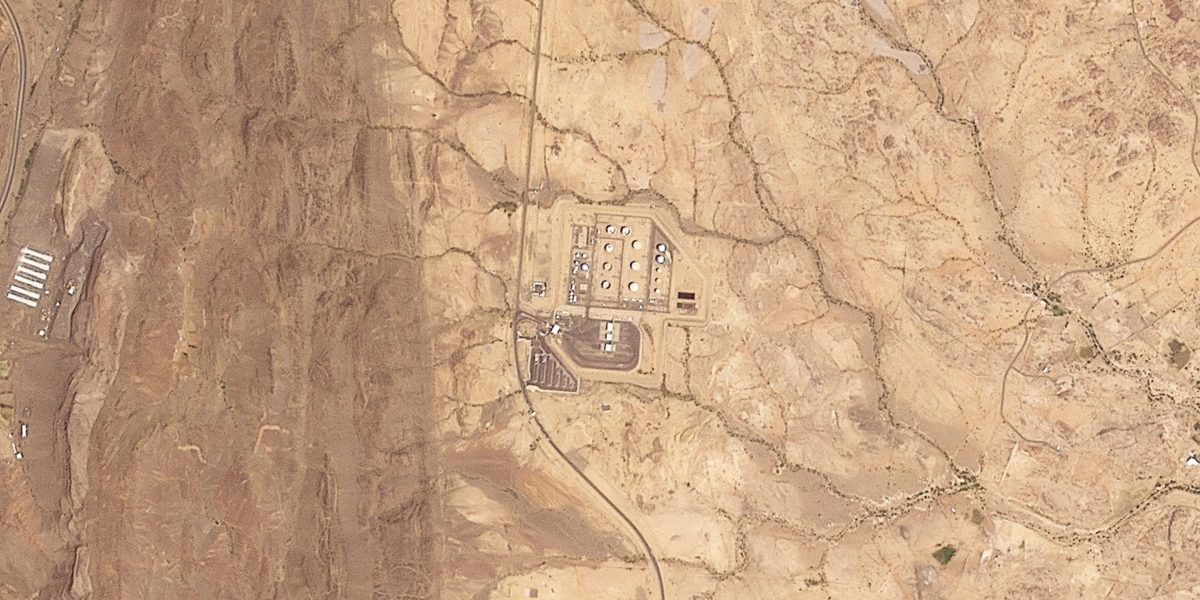
Recent attacks by Yemen’s Houthis have further complicated the situation, targeting an alternative shipping route that Saudi Arabia has relied on to transport oil during the war. These attacks have the potential to further constrain global oil supplies and drive prices even higher.
Global Economic Impact and Political Consequences
The rising cost of energy has had a significant impact on global economies, particularly outside the U.S. Refinery outages in Russia, reduced refining activity elsewhere, and sharply declining inventories have all contributed to higher diesel and gasoline prices. This has placed additional pressure on consumers and businesses, with many struggling to cope with the increased costs.
The situation has also had political implications, particularly in the U.S., where the upcoming midterm elections are just 8 weeks away. Rising energy costs could have a significant impact on the political landscape, as voters may be more sensitive to the economic pressures caused by high oil prices.
Bank of America analysts have noted that reaching a durable deal between the U.S. and Iran before the midterm elections is increasingly unlikely. They have also warned that even beyond the elections, a deal may remain elusive. This uncertainty has contributed to the continued volatility in oil prices, with analysts predicting that prices could reach $95 to $120 a barrel if disruptions continue.
The situation in the Middle East has also led to increased tensions and uncertainty in the global market. The attacks on oil facilities and ships have created a sense of instability, with investors and analysts closely watching the situation for any signs of resolution. The potential for further disruptions in the Strait of Hormuz remains a major concern for the global economy.
As the conflict continues, the impact on oil prices and the global economy is likely to persist. The situation remains fluid, with the potential for further price increases and economic challenges if the conflict is not resolved. The international community is closely monitoring the situation, with many hoping for a resolution that can stabilize the global oil market.
Market Volatility and Analyst Predictions
The ongoing conflict in the Middle East has led to significant market volatility, with oil prices fluctuating widely in response to the situation. Analysts have noted that the situation is likely to remain unstable for the foreseeable future, with the potential for further price increases if disruptions continue. Bank of America analysts have raised their oil price forecast for the second half of the year to $83 a barrel, citing the persistent disruptions in the Strait of Hormuz.
The analysts have also warned that if attacks continue to disrupt shipping through the Strait of Hormuz, oil prices could reach $95 to $120 a barrel. In the worst-case scenario, damage to major energy infrastructure could push prices as high as $150 a barrel. These predictions highlight the uncertainty and risk associated with the current situation, with investors and analysts closely watching for any signs of resolution.
The negotiations between the U.S. and Iran over a preliminary deal to end the conflict have been stalled, with both sides unable to reach an agreement. Iran has insisted on its right to set terms and charge fees for ships passing through the Strait of Hormuz, while the U.S. has taken a different stance, wanting to keep passage free and has used a Navy blockade to prevent Iranian ports and oil tankers from operating.
Recent attacks by Yemen’s Houthis have further complicated the situation, targeting an alternative shipping route that Saudi Arabia has relied on to transport oil during the war. These attacks have the potential to further constrain global oil supplies and drive prices even higher. The situation remains fluid, with the potential for further price increases and economic challenges if the conflict is not resolved.
As the conflict continues, the impact on oil prices and the global economy is likely to persist. The situation remains uncertain, with the potential for further price increases and economic challenges if the conflict is not resolved. The international community is closely monitoring the situation, with many hoping for a resolution that can stabilize the global oil market.
Conclusion and Future Outlook
The current situation in the Middle East has led to significant disruptions in the global oil market, with oil prices surging to over $100 a barrel for the first time since July. The attacks on oil facilities and ships have further strained an already weakened supply chain, leading to increased costs for consumers and businesses. Gasoline and diesel prices have also seen significant increases, with gasoline hitting $4.22 per gallon and diesel reaching an all-time high of $5.94.
The situation has had a direct impact on the airline industry, with carriers cutting flights and raising fares and fees due to the high cost of jet fuel. The U.S. and Iran are still in the process of negotiations over a preliminary deal to end the conflict, but these talks have been stalled over control of the Strait of Hormuz. Iran has insisted on its right to set terms and charge fees for ships passing through the waterway, while the U.S. has taken a different stance, wanting to keep passage free and has used a Navy blockade to prevent Iranian ports and oil tankers from operating.
Recent attacks by Yemen’s Houthis have further complicated the situation, targeting an alternative shipping route that Saudi Arabia has relied on to transport oil during the war. These attacks have the potential to further constrain global oil supplies and drive prices even higher. The situation remains fluid, with the potential for further price increases and economic challenges if the conflict is not resolved.
The impact of rising energy costs is likely to be felt across the global economy, particularly outside the U.S. Refinery outages in Russia, reduced refining activity elsewhere, and sharply declining inventories have all contributed to higher diesel and gasoline prices. This has placed additional pressure on consumers and businesses, with many struggling to cope with the increased costs.
As the conflict continues, the impact on oil prices and the global economy is likely to persist. The situation remains uncertain, with the potential for further price increases and economic challenges if the conflict is not resolved. The international community is closely monitoring the situation, with many hoping for a resolution that can stabilize the global oil market.