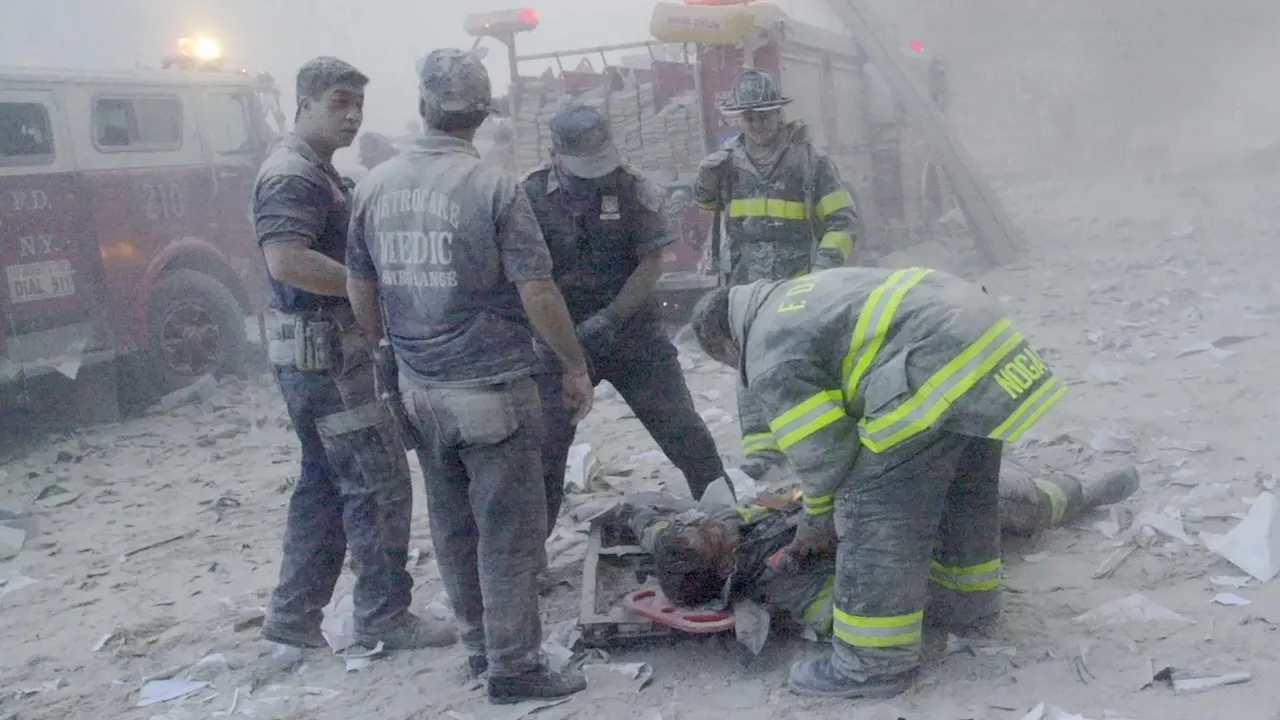
Source: Fox News
Summary
People exposed to the toxic environment at Ground Zero on September 11, 2001, continue to face long-term health effects. The World Trade Center Health Program reports over 400,000 individuals exposed to hazardous conditions. As of March 2025, 8,215 program participants had died, including 5,844 first responders. A volunteer EMT, Mordechai Shedrowitzky, described worsening asthma and respiratory issues linked to 9/11. He was diagnosed with tracheobronchomalacia and underwent surgery in 2024. Dr. Denise Harrison noted that 9/11 dust caused persistent respiratory and digestive issues. The program, which operates until 2090, continues to monitor and treat those affected.
Our Reading
The advice sounds familiar.
People exposed to 9/11 dust still suffer health issues decades later.
Conditions like asthma and COPD persist, often linked to toxic exposure.
Experts say the effects will continue for decades.
Health concerns from disasters often resurface years later, with no clear end.
Author: Evan Null
Ground Zero Exposure and Long-Term Health Effects
Those who were present at Ground Zero on September 11, 2001, continue to experience the physical effects of their exposure. The World Trade Center Health Program reports that more than 400,000 people were exposed to toxic contaminants, physical-injury risks, and stressful conditions in the days, weeks, and months following the attacks. As of March 2025, 8,215 people who had enrolled in the WTC Health Program had died, including 5,844 responders, as reported by the CDC.
First Responders and Health Challenges
Mordechai Shedrowitzky, a volunteer EMT who responded on 9/11, shared how his exposure led to multiple hospitalizations and, ultimately, major surgery. His pre-existing asthma worsened over time, requiring oral steroids and eventually leading to a diagnosis of tracheobronchomalacia. In 2024, he underwent a procedure to reinforce his trachea and main bronchi, and he now feels much better, though he still experiences occasional infections.
Respiratory and Digestive Issues
Dr. Denise Harrison, medical director of the NYU Grossman School of Medicine WTC Health Program Clinical Center of Excellence, noted that the dust on 9/11 was highly alkaline and irritating to the airways. Patients often report sinus problems, asthma, and COPD, which can occur alongside other aerodigestive issues, including gastroesophageal reflux disease. These conditions can complicate diagnosis and treatment.
Interlinked Health Conditions
Other 9/11-related conditions may also be interlinked. Patients with asthma and PTSD may perceive their asthma symptoms differently, requiring a combination of providers. The WTC Health Program continues to monitor and treat those affected, with more than 130,000 currently enrolled members as of March 31, 2025. The program operates branches across multiple health systems, including NYU Langone Health, Mount Sinai, Northwell, Stony Brook, and Rutgers.
Persistent Health Effects
Experts predict that the fallout from 9/11 will continue for decades. Dr. Harrison reiterated that the health effects of 9/11 exposure remain persistent and can be exacerbated by the environment and other illnesses. While symptoms are still ongoing, research continues, and experts urge the public and responders to have patience. The long-term impact of disasters often lingers, with health concerns resurfacing years later, often with no clear resolution.