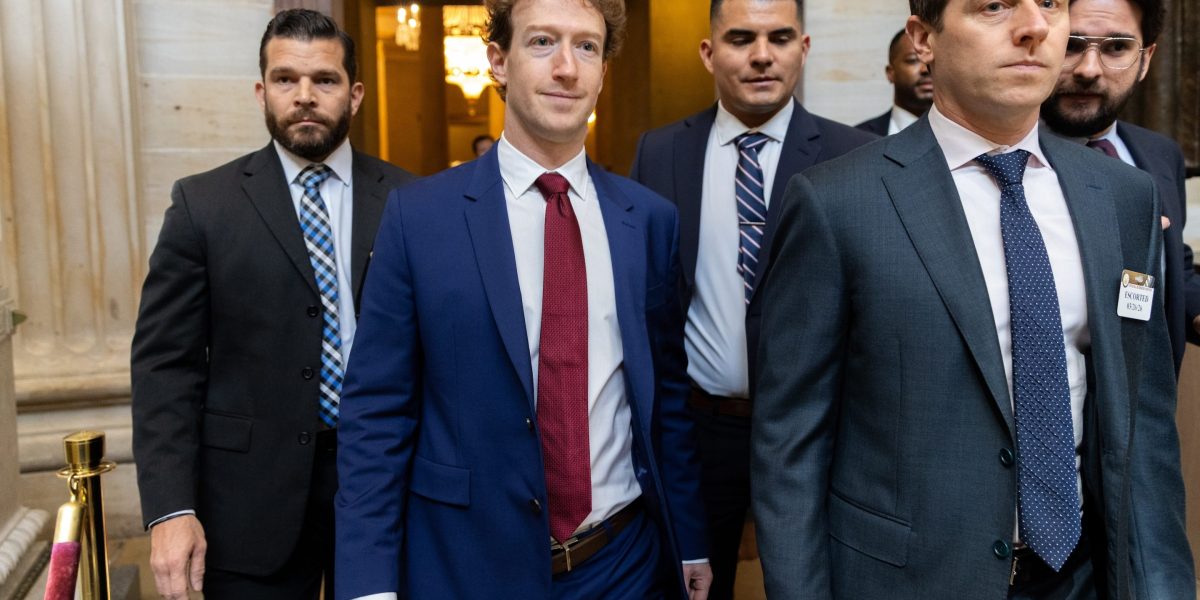
Source: Fortune
Summary
Metal has agreed to a $17.1 billion settlement over claims that Facebook and Instagram harmed children. The deal involves 47 states and thousands of families. The settlement is part of ongoing legal challenges against Meta, including cases tied to sex trafficking and platform design. Meta’s dual-class stock structure gives Mark Zuckerberg disproportionate voting power, raising concerns about corporate accountability. Shareholders have repeatedly pushed for reforms, but Zuckerberg’s influence has limited their impact. The settlement includes measures like age verification, but critics say they are weak. The SEC is also under scrutiny for potentially weakening shareholder rights.
Our Reading
The numbers tell one story.
Meta pays $17.1 billion to settle child safety claims.
Zuckerberg controls 61% of voting power with 13% ownership.
Shareholders voted for reforms, but Zuckerberg’s votes overrode them.
The deal may not fix the real problems, and the system remains unaccountable.
Author: Evan Null
Meta’s Settlement and the Power of One
Meta has agreed to pay up to $17.1 billion to settle claims that Facebook and Instagram were designed to addict children. The settlement involves 47 states and thousands of families, but the company’s dual-class stock structure allows Mark Zuckerberg to control 61% of voting power with just 13% ownership. This imbalance has allowed Zuckerberg to override shareholder concerns, despite majority support for reforms.
The Shareholder Struggle
For years, shareholder groups have pushed for changes to Meta’s platform, including better content governance and age verification. In 2021, a content governance resolution won 63.1% of independent shareholder votes, but Zuckerberg’s influence reduced the effective outcome to 19%. This highlights the disconnect between shareholder interests and executive control.
Weak Safeguards and Ongoing Legal Risks
The settlement includes measures like age verification, but they are described as “best-effort,” meaning they may not effectively protect children. Other legal challenges remain, including cases in New Mexico and Los Angeles, where Meta was found negligent. The company faces billions in potential costs, and the settlement may not fully address the harm caused.
The Role of the SEC
The SEC is under scrutiny for potentially weakening shareholder rights by rescinding Rule 14a-8, which allows shareholders to submit proposals. Critics argue this move undermines corporate accountability and limits the ability of shareholders to influence company decisions, especially in cases involving public harm.
One Share, One Vote
The article argues that the root issue is the dual-class share structure, which allows one individual to control a company despite owning a minority stake. The author calls for reforms to ensure that all shareholders have equal voting power, preventing a single person from making decisions that affect millions of people and a whole generation of children.