Source: Fortune.com
Summary
A lightning advance by Houthi rebels threatens a key Red Sea shipping route, while drone attacks blamed on Iraqi militias have closed a major pipeline. Iran continues to disrupt the Strait of Hormuz, causing global market concerns. Saudi Arabia faces pressure as its ally, the U.S., remains unpredictable. A Saudi official said the kingdom would defend itself and work with partners to ensure freedom of navigation. The Houthis have seized Mokha and a Red Sea island, enhancing their ability to block Saudi shipments. Saudi oil exports to Asia have dropped significantly, though they have partially recovered.
Our Reading
The numbers tell one story.
Houthi rebels seize Mokha and a Red Sea island, threatening Saudi shipping.
Pipeline closure due to Iraqi militia drone attacks hits Saudi oil exports.
Iran continues to disrupt the Strait of Hormuz, adding to global economic pressure.
U.S. support for Saudi Arabia remains uncertain, complicating regional stability.
Author: Evan Null
Key Developments in the Red Sea and Gulf
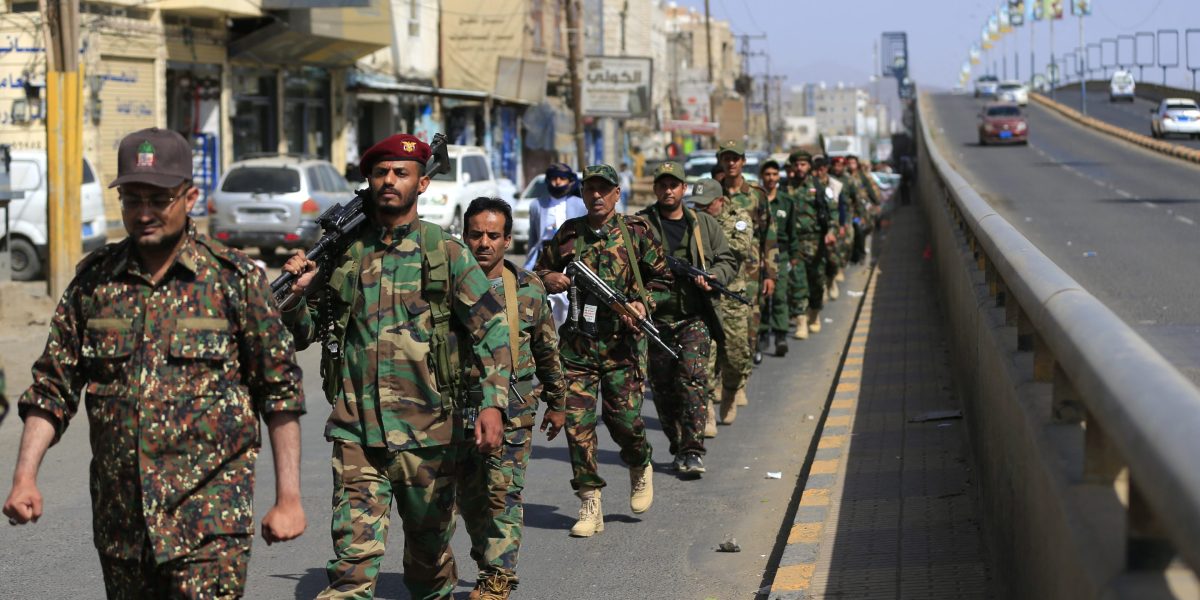
The Houthi rebels have made a rapid advance, seizing Mokha and a Red Sea island, which threatens a critical shipping route. This move enhances their ability to block Saudi Arabia’s maritime trade through the Bab el-Mandeb Strait. The rebels have also declared a blockade of Saudi shipping, reigniting tensions that had been somewhat subdued since a 2022 ceasefire.
Drone attacks from Iraqi militias have led to the closure of a major pipeline, further disrupting Saudi oil exports. The pipeline, which connects eastern oil fields to the Red Sea, was shut down due to the attacks, which regional officials say were supported by Iran. This has caused a significant drop in Saudi oil exports to Asia, from 3.4 million barrels a day in June to just 128,000 in August.
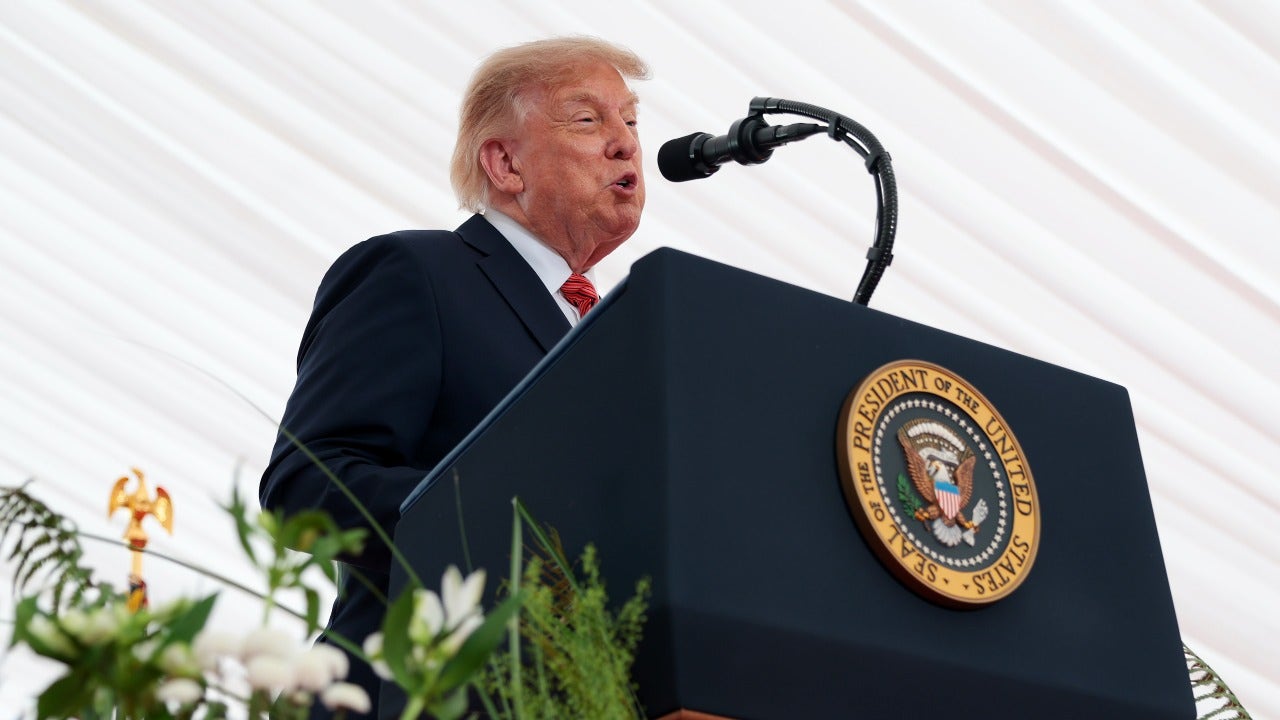
The situation has raised concerns in global markets, with oil prices fluctuating due to fears of further disruptions. The U.S., Saudi Arabia’s key ally, has been inconsistent in its support, with President Donald Trump showing reluctance to escalate the conflict ahead of congressional elections. This has left Saudi Arabia in a difficult position, as it seeks to protect its interests without provoking further regional instability.
Despite the challenges, a Saudi official stated that the kingdom would defend itself and work with partners, including the U.S., to ensure freedom of navigation in the Red Sea. However, the lack of consistent U.S. support has made it harder for Saudi Arabia to achieve its goals in the region.
The Houthi advances and the ongoing disruptions highlight the fragile state of the Middle East. With Iran continuing to exert influence and the U.S. hesitant to get involved, the situation remains volatile, with potential consequences for global energy markets and regional stability.
Saudi’s Regional Ambitions Under Threat
Saudi Arabia’s crown prince, Mohammed bin Salman, has long aimed to transform the kingdom into a global business hub and a more integrated regional power. However, recent events have undermined these efforts. The conflict with the Houthis, the closure of the pipeline, and the disruption of shipping routes have all contributed to a setback in Saudi’s vision for a more prosperous and stable Middle East.
The kingdom’s attempts to move beyond the Yemen conflict have been complicated by the renewed Houthi advances. The conflict, which has lasted for years, has taken a heavy toll on Yemen and has led to a humanitarian crisis. The 2022 ceasefire provided some relief, but the recent tensions have reignited the conflict, forcing Saudi Arabia to reconsider its approach.
Experts suggest that the recent Houthi gains have increased pressure on Riyadh to respond, but every available option carries significant costs and uncertain outcomes. The Saudis could escalate their military response, but this would likely lead to more Houthi attacks on Saudi energy infrastructure. Alternatively, they could seek a diplomatic solution, but the Houthis have made demands that could strengthen their position in the long term.
The situation is further complicated by the U.S.’s inconsistent support. Under President Trump, the U.S. has been less engaged in the region, and the recent military actions have strained the relationship. This has left Saudi Arabia with few options, as it tries to navigate a complex and volatile regional landscape.
Despite the challenges, the Saudi government remains committed to protecting its interests and maintaining stability in the region. However, the current situation highlights the difficulties of achieving long-term goals in a region marked by conflict and uncertainty.
U.S. Involvement in the Region Remains Uncertain
The U.S. has historically played a key role in ensuring stability in the Middle East, but its involvement has become increasingly unpredictable. Under President Donald Trump, the U.S. has shown reluctance to engage in prolonged conflicts, particularly as the 2024 congressional elections approach. This has left Saudi Arabia and other Gulf states in a difficult position, as they seek to protect their interests without U.S. support.
Trump’s recent actions, including an air campaign against the Houthis, have been seen as a response to attacks on Red Sea shipping. However, the U.S. is now heavily focused on the Strait of Hormuz, where it is trying to prevent Iranian attacks on shipping. This has stretched U.S. military resources thin, with reports of shortages in sophisticated interceptors and increased strain on the military.
The U.S. is also facing domestic challenges, with the war in the Middle East becoming increasingly unpopular. Trump has acknowledged that the conflict could hurt his re-election chances, and he has been reluctant to escalate the situation further. This has led to concerns among Gulf allies, who fear that the U.S. may not be able to provide the support they need in the face of growing threats.
Despite these challenges, Trump has maintained a public stance of confidence, telling reporters that everything will “work out fine and dandy.” However, the White House has not provided clear guidance on whether it plans to intervene in Yemen, leaving the situation in a state of uncertainty.
The lack of consistent U.S. support has made it harder for Saudi Arabia to achieve its goals in the region. With the Houthis gaining ground and Iran continuing to exert influence, the situation remains volatile, and the U.S. role in the region is more uncertain than ever.
Challenges for Saudi Arabia’s Economic Transformation
Saudi Arabia’s economic transformation, known as Vision 2030, has faced significant setbacks due to the ongoing conflicts and regional instability. The kingdom’s efforts to diversify its economy and reduce its reliance on oil have been complicated by the recent disruptions to its shipping routes and oil exports. The closure of the pipeline and the Houthi advances have all contributed to a challenging environment for economic growth.
The drop in oil exports to Asia has had a direct impact on Saudi Arabia’s revenue, which is crucial for funding its economic reforms. While exports have partially recovered, the situation remains fragile, and further disruptions could have serious consequences for the kingdom’s financial stability. This has raised concerns among investors and policymakers, who are closely watching the situation in the region.
The conflict with the Houthis has also affected Saudi Arabia’s broader regional ambitions. The kingdom has sought to position itself as a leader in the Middle East, but the ongoing instability has made it difficult to achieve this goal. The recent events have highlighted the challenges of maintaining regional influence in a rapidly changing environment.
Experts suggest that the current situation is a major obstacle to Saudi Arabia’s economic transformation. The kingdom needs a stable and secure environment to attract investment and promote growth. However, the ongoing conflicts and regional tensions have made it difficult to achieve this goal, and the situation remains uncertain.
Despite these challenges, the Saudi government remains committed to its vision for the future. However, the current situation highlights the difficulties of achieving long-term economic goals in a region marked by conflict and uncertainty.
Regional Stability and the Path Forward
The situation in the Red Sea and the Gulf remains highly unstable, with multiple factors contributing to the current crisis. The Houthi advances, the closure of the pipeline, and the ongoing disruptions to shipping routes have all created a challenging environment for regional stability. The involvement of Iran, the U.S., and other regional actors has further complicated the situation, making it difficult to predict the outcome.
Saudi Arabia is under pressure to respond to the Houthi advances, but the options available to it are limited. Escalating the conflict could lead to more Houthi attacks on Saudi energy infrastructure, while seeking a diplomatic solution may not be feasible given the Houthis’ demands. The kingdom is also facing challenges in securing consistent support from its allies, particularly the U.S., which has shown reluctance to get involved in the region.
The situation has raised concerns about the future of regional stability, with experts warning that the current tensions could lead to further conflict. The Houthi gains have increased pressure on Riyadh to act, but the potential consequences of any action remain uncertain. The kingdom must carefully navigate the situation, balancing the need to protect its interests with the risks of further escalation.
As the situation continues to evolve, the focus will remain on the actions of the key players, including the Houthis, Iran, the U.S., and Saudi Arabia. The outcome of the current crisis will have significant implications for the region, and the decisions made in the coming weeks will be crucial in determining the path forward.
For now, the situation remains volatile, and the future of regional stability is uncertain. The challenges facing Saudi Arabia and its allies highlight the complexity of the situation and the need for careful and strategic decision-making in the months ahead.