Summary
The Senate advanced the Protect College Sports Act, a bipartisan bill aimed at creating federal guidelines for college athletics. Led by Sen. Ted Cruz and Sen. Maria Cantwell, the legislation seeks to regulate the transfer portal, eligibility, recruiting, and NIL rules. Opponents, including Sen. Chris Murphy, argue it limits athlete bargaining power. The Congressional Black Caucus opposed the bill, citing concerns over voting rights. Cantwell acknowledged criticism but defended the bill as necessary for student-athletes.
Our Reading
As expected, the matter has reached another stage.
Senators move forward with a bill despite opposition from conferences and lawmakers.
Opponents call it a power grab, while supporters say it brings order.
Black lawmakers link the issue to broader fights over representation.
The bill moves as if it were always meant to.
Author: Evan Null
Senate Advances Bill Amid Opposition
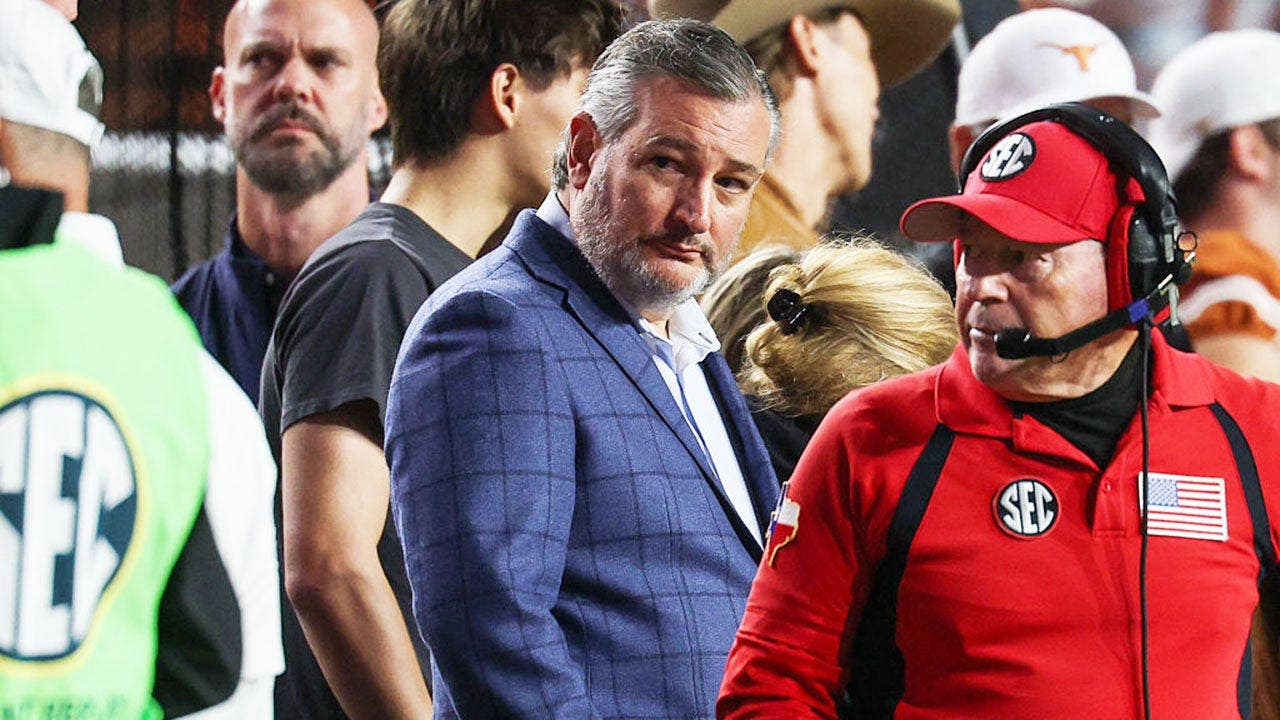
The Senate took a major step forward with the Protect College Sports Act, a bill aimed at bringing structure to the evolving landscape of college athletics. The legislation, introduced by Sen. Ted Cruz and Sen. Maria Cantwell, seeks to create federal standards for NIL, transfers, and eligibility. The bill now moves to the next phase, with potential for further debate later in the week.
Senate Majority Leader John Thune acknowledged the chaos in college sports, calling for action. He noted that the current system is unsustainable and needs reform. His comments set the tone for the vote, which passed with bipartisan support.
Cruz argued that federal antitrust laws have contributed to the disorder in college athletics. He claimed that Congress is now stepping in to correct past mistakes. His rhetoric framed the bill as a necessary intervention to restore order to what he called the “Wild West” of college sports.
Despite support, the bill faced criticism from some lawmakers. Sen. Chris Murphy accused the bill of taking away power from student-athletes. He argued that the legislation benefits colleges at the expense of athletes, particularly Black athletes who now have more bargaining power.
The Congressional Black Caucus also expressed concerns, linking the bill to broader issues of racial representation. They criticized the timing, citing recent attacks on voting rights. Their opposition highlights the complex political landscape surrounding the legislation.
Legislation Targets Chaos in College Sports
The Protect College Sports Act aims to address the growing complexity in college athletics. Since the NCAA allowed student-athletes to profit from their name, image, and likeness, the landscape has become more unpredictable. The bill seeks to introduce federal guardrails to manage this change.
The legislation includes provisions to regulate the transfer portal, which has become a key factor in athlete movement. It also sets a five-year eligibility rule and establishes guidelines for recruiting and NIL. These measures are intended to create a more uniform system across all colleges.
Opponents argue that the bill could limit athlete autonomy. They claim that the federal standards may not account for the unique needs of different schools and conferences. Some lawmakers, like Sen. Chris Murphy, have raised concerns about the potential for unfair advantages for colleges.
The bill also includes a revenue-sharing cap, which could affect how schools distribute funds. This provision has drawn criticism from those who believe it could reduce opportunities for athletes. Despite these concerns, the bill continues to move forward with support from both parties.
The debate over the bill reflects broader tensions in college athletics. As the industry evolves, so do the challenges of regulating it. The Senate’s decision to advance the bill shows that lawmakers are taking the issue seriously, even as opposition remains.
Opposition from Conferences and Lawmakers
The bill faced strong opposition from major college athletic conferences, including the SEC and the Big Ten. These groups argued that the legislation would disrupt existing structures and create unnecessary federal oversight. Their concerns were echoed by some lawmakers who questioned the need for federal intervention.
Despite this, the bill moved forward, highlighting the political will to address the issue. Sen. Maria Cantwell acknowledged the pushback, noting that some of her colleagues were friends and allies. However, she defended the bill as necessary to provide clarity for student-athletes.
Sen. Ted Cruz framed the bill as a response to the chaos created by federal antitrust laws. He argued that these laws had eroded the rules governing college sports, leading to the current instability. His comments reflected a broader narrative that Congress must now step in to restore order.
The bill’s passage also drew attention from the Congressional Black Caucus. They linked the legislation to ongoing struggles for racial equity, particularly in the wake of the Supreme Court’s decision on the Voting Rights Act. Their opposition underscored the complex political context surrounding the bill.
As the bill moves forward, it will continue to face scrutiny from both supporters and critics. The debate over college sports regulation is far from over, with many questions remaining about its long-term impact.
Legislators Defend Bill as Necessary Reform
Supporters of the Protect College Sports Act argue that the bill is a necessary step to bring stability to college athletics. They point to the rapid changes in the industry, particularly since the NCAA allowed student-athletes to profit from their NIL. Without federal guidelines, they say, the system is at risk of further chaos.
Sen. Maria Cantwell emphasized the need for clarity and consistency. She acknowledged the concerns raised by opponents but argued that the bill would benefit student-athletes by providing a fairer framework. Her comments reflected the broader goal of the legislation: to create a more predictable environment for all involved.
Sen. Ted Cruz took a more confrontational approach, accusing federal antitrust laws of contributing to the current disorder. He claimed that these laws had effectively dismantled the rules governing college sports, leaving the industry in a state of uncertainty. His rhetoric positioned the bill as a corrective measure to restore order.
The bill’s supporters also highlighted the need for a federal standard. They argued that without such a framework, colleges and athletes would face inconsistent rules across different states. This lack of uniformity, they said, could lead to further complications in the future.
As the bill moves through the legislative process, its supporters remain confident that it will provide much-needed structure to college athletics. However, the opposition continues to raise valid concerns, ensuring that the debate over the legislation will remain active.
Broader Implications for College Athletics
The Protect College Sports Act has far-reaching implications for the future of college athletics. If passed, it would set a new standard for how schools, athletes, and agents operate. The bill’s provisions on NIL, transfers, and eligibility could reshape the way college sports are managed and funded.
One of the most significant aspects of the bill is its focus on federal oversight. By introducing a national framework, the legislation aims to eliminate the disparities that exist between different states and conferences. This could lead to a more level playing field for all student-athletes.
However, the bill’s emphasis on regulation has raised concerns about its potential impact on athlete autonomy. Critics argue that the federal standards may not account for the unique needs of different schools or programs. They worry that the legislation could limit opportunities for athletes, particularly those from smaller institutions.
The debate over the bill also reflects larger questions about the role of government in college athletics. Some lawmakers argue that the federal government should not be involved in what they see as a state-level issue. Others believe that the complexity of the current system requires a more centralized approach.
As the bill moves forward, its long-term impact remains uncertain. The outcome will depend on how it is implemented and how it is received by the broader college sports community. For now, the legislation represents a significant step in the ongoing effort to regulate the industry.