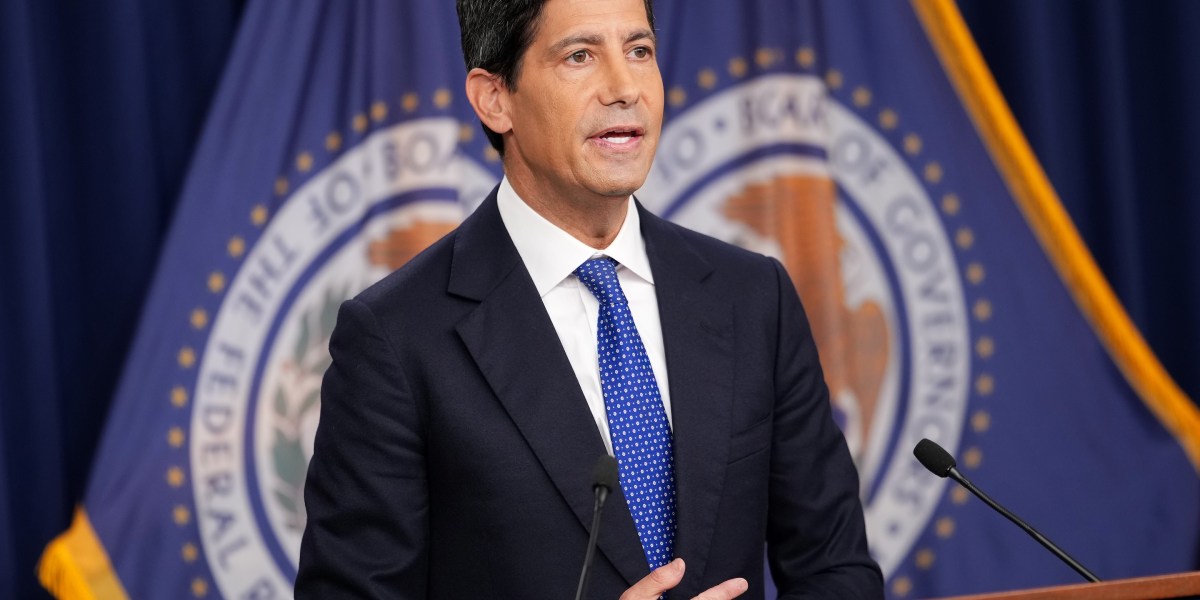
Source: Fortune
Summary
The Federal Open Market Committee raised its benchmark interest rate by a quarter point to 3.75%-4%, the first hike since July 2023. The decision came as Chairman Kevin Warsh took office, conflicting with President Trump’s calls for rate cuts. The Fed’s updated projections show the median federal funds rate is expected to reach 4.1% by 2026. Officials cited tariffs, energy shocks, and AI-related spending as inflation drivers. Markets had largely anticipated the hike, but stocks and Treasury yields still rose.
Our Reading
The numbers tell one story.
The Fed raised rates again, just as expected.
CFOs now face higher borrowing costs across all maturities.
Energy prices and debt concerns are pushing up costs for companies.
The Fed’s move is just the start of a longer cycle.
Author: Evan Null
Key Details from the Article
The Federal Open Market Committee (FOMC) raised its benchmark interest rate by a quarter point to 3.75%-4% on Wednesday, marking the first rate hike since July 2023. This decision was made unanimously and occurred during the early days of Chairman Kevin Warsh’s tenure. The move put Warsh at odds with President Trump, who has been vocal in his support for rate cuts.
The Fed’s updated projections show that officials now expect the median federal funds rate to end 2026 at 4.1%, up from 3.8% in June. This suggests that another rate hike is likely before the end of the year. The Fed cited factors such as tariffs, an energy shock, and surging AI-related capital spending as key drivers of inflation.
Yiming Ma, an associate professor of finance at Columbia Business School, highlighted the immediate impact of the rate hike on corporate finance. She noted that floating-rate credit lines and term loans have become more expensive, and CFOs should not view the hike as an isolated event. Ma emphasized that the Fed’s rate hikes typically signal the start of a broader cycle, with markets already pricing in at least one more increase.
Ma also advised CFOs to conduct stress tests that model both funding and production costs together. She explained that higher energy prices, driven by geopolitical conflicts, are pushing up both inflation and input costs for oil-reliant companies. This could lead to a need for more liquidity at a time when it is becoming more expensive to hold.
Additionally, Ma pointed to the long end of the Treasury yield curve, where both the 10-year and 30-year yields have risen sharply. This means that corporate bonds, which are typically benchmarked to long-term Treasuries, are now more expensive for new issuances or refinancing. She also noted that concerns about U.S. debt sustainability are contributing to the current market environment, adding another layer of complexity for corporate finance leaders.