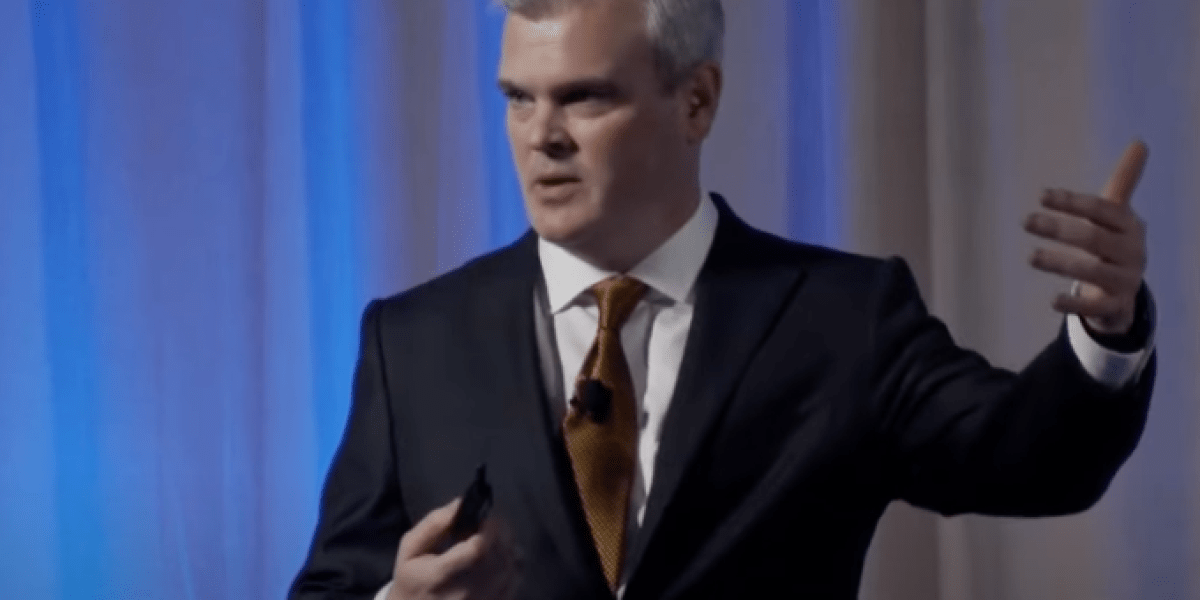
Source: Fortune
Summary
S&P Global Ratings downgraded Oracle’s credit rating to BBB- in July 2026, despite forecasting a 239% revenue increase from 2022 to 2028. Debt is expected to rise 410%, while free cash flow is projected to be negative through 2027. S&P noted Oracle’s AI investments are unproven and capital-intensive, with limited visibility on profitability. The rating agency said Oracle’s credit metrics are not investment-grade but gave the company time to prove its business model. S&P also compared Oracle to SpaceX as an outlier for investment-grade status.
Our Reading
The numbers tell one story.
S&P downgraded Oracle but still calls it investment-grade.
Revenue up 240%, debt up 410%, cash flow down 32%.
Oracle’s AI bets are unproven, but S&P gives it time to prove itself.
Investors are being asked to trust a business model that doesn’t yet add up.
Author: Evan Null
Oracle’s AI Ambitions and Credit Risks
Oracle is betting heavily on AI, but its financial projections are shaky. S&P Global Ratings downgraded the company’s credit rating to BBB- in July 2026, citing concerns about its ability to generate consistent cash flow. Despite this, the rating agency still considers Oracle investment-grade, a decision that has raised eyebrows among analysts.
The company is expected to see a 239% increase in revenue from 2022 to 2028, but its debt is projected to grow by 410% during the same period. Free cash flow is expected to be negative through 2027, with only 2028 showing a positive outlook. This creates a precarious financial position for Oracle, as it continues to invest in AI with no clear return on investment.
S&P noted that Oracle’s AI business is still unproven and that the company’s financial metrics do not support its investment-grade rating. The agency also compared Oracle to SpaceX, calling both companies outliers for investment-grade status. This comparison highlights the risks associated with companies that are heavily investing in emerging technologies without clear financial returns.
Oracle’s capital expenditures have also been rising, with S&P increasing its 2027 guidance from $60 billion to $95 billion. This shows the difficulty in forecasting the costs associated with AI development and the challenges Oracle faces in managing its balance sheet. S&P has expressed frustration with the company’s constantly changing capital expenditure forecasts.
The credit rating agency’s decision to keep Oracle at BBB- is based on the company’s ability to maintain an investment-grade rating and the potential for future equity issuances to stabilize its financial position. However, Oracle’s path to profitability remains uncertain, and the company’s financial health could be at risk if it fails to meet its targets.
Uncertainty in the AI Economy
The AI sector is still in its early stages, and many companies are struggling to find sustainable business models. Oracle is one of the few large enterprises making significant investments in AI, but its financial projections suggest that the returns are not yet material. This creates a dilemma for credit rating agencies, which must balance the potential of emerging technologies with the risks they pose to financial stability.
S&P’s decision to maintain Oracle’s investment-grade rating despite its financial challenges reflects the broader uncertainty surrounding AI companies. While the technology has the potential to generate significant revenue, the path to profitability is unclear. This uncertainty is compounded by the high costs of AI development and the difficulty in predicting how these investments will translate into long-term value.
Oracle’s situation is not unique. Many AI companies are facing similar challenges, with investors and analysts questioning whether the current valuations are justified. The lack of clear financial returns from AI investments has led to skepticism about the long-term viability of these businesses, even as they continue to attract significant capital.
The credit rating industry is also grappling with how to assess companies that are heavily investing in AI. Traditional metrics like cash flow and debt-to-EBITDA may not be sufficient to capture the risks and opportunities associated with these investments. As a result, rating agencies are often forced to make assumptions about the future performance of AI-driven businesses, which can lead to inconsistencies in their evaluations.
Oracle’s case highlights the challenges of rating companies in a rapidly evolving sector. While the company has the potential to benefit from AI, its current financial position is weak, and the risks associated with its investments are significant. This makes it difficult for rating agencies to assign a rating that accurately reflects the company’s financial health and future prospects.
Investor Confidence and Market Realities
Investor confidence in AI-driven companies is still fragile, and Oracle’s situation is a case in point. Despite S&P’s decision to keep the company at BBB-, the financial projections do not support the rating. This has led to questions about the credibility of the rating and the assumptions that underpin it. Investors are being asked to trust a business model that is still in development and lacks clear financial returns.
The market’s reaction to Oracle’s credit rating downgrade has been mixed. Some investors see the company’s AI investments as a long-term opportunity, while others are concerned about the financial risks. The uncertainty surrounding AI’s potential to generate returns has made it difficult for investors to make informed decisions, leading to a lack of consensus on the sector’s future.
Oracle’s financial challenges are compounded by the broader economic environment. Rising interest rates and inflation have increased the cost of borrowing, making it more difficult for companies to manage their debt. This has put additional pressure on Oracle, which is already facing a difficult path to profitability. The company’s ability to navigate these challenges will be critical to its long-term success.
The credit rating industry is also facing pressure to adapt to the changing landscape of AI. Traditional metrics may not be sufficient to evaluate the risks and opportunities associated with these investments, and rating agencies must find new ways to assess the financial health of AI-driven companies. This will require a more nuanced approach that takes into account the unique challenges of the sector.
Oracle’s situation is a reminder that the AI sector is still in its early stages, and the financial risks associated with it are significant. While the technology has the potential to transform industries, the path to profitability is uncertain. This makes it difficult for investors and rating agencies to make informed decisions, and it highlights the need for more transparency and clarity in the evaluation of AI-driven businesses.
The Role of Credit Ratings in the AI Era
Credit ratings play a crucial role in determining the cost of borrowing for companies, and Oracle’s case highlights the challenges of applying traditional rating methodologies to AI-driven businesses. S&P’s decision to maintain Oracle’s investment-grade rating despite its financial projections raises questions about the accuracy and consistency of credit ratings in the AI era.
Rating agencies are often forced to make assumptions about the future performance of AI companies, which can lead to inconsistencies in their evaluations. This is particularly true for companies like Oracle, which are investing heavily in AI without clear financial returns. The lack of historical data on AI-driven businesses makes it difficult for rating agencies to assess the risks and opportunities associated with these investments.
Oracle’s situation is a case study in the challenges of rating companies in a rapidly evolving sector. The company’s financial projections suggest that its AI investments are not yet yielding returns, but the rating agency has given it time to prove its business model. This approach reflects the broader uncertainty surrounding AI and the difficulty in predicting its long-term impact on financial performance.
The credit rating industry is also facing pressure to adapt to the changing landscape of AI. Traditional metrics like cash flow and debt-to-EBITDA may not be sufficient to evaluate the risks and opportunities associated with these investments. This has led to calls for a more nuanced approach that takes into account the unique challenges of the AI sector.
Oracle’s case highlights the need for greater transparency and consistency in the evaluation of AI-driven businesses. As the sector continues to evolve, rating agencies must find new ways to assess the financial health of companies that are heavily investing in emerging technologies. This will require a more flexible and forward-looking approach that takes into account the long-term potential of AI while also addressing the immediate financial risks.
Looking Ahead for Oracle and the AI Sector
Oracle’s future in the AI sector remains uncertain, and the company faces significant challenges in proving the viability of its business model. Despite S&P’s decision to maintain its investment-grade rating, the financial projections do not support the rating, raising questions about the credibility of the agency’s evaluation. This uncertainty is compounded by the high costs of AI development and the difficulty in predicting how these investments will translate into long-term value.
The AI sector as a whole is still in its early stages, and many companies are struggling to find sustainable business models. Oracle is one of the few large enterprises making significant investments in AI, but its financial projections suggest that the returns are not yet material. This creates a dilemma for investors and rating agencies, who must balance the potential of emerging technologies with the risks they pose to financial stability.
Oracle’s situation highlights the challenges of rating companies in a rapidly evolving sector. While the company has the potential to benefit from AI, its current financial position is weak, and the risks associated with its investments are significant. This makes it difficult for rating agencies to assign a rating that accurately reflects the company’s financial health and future prospects.
The credit rating industry is also facing pressure to adapt to the changing landscape of AI. Traditional metrics may not be sufficient to evaluate the risks and opportunities associated with these investments, and rating agencies must find new ways to assess the financial health of AI-driven companies. This will require a more nuanced approach that takes into account the unique challenges of the sector.
Oracle’s case is a reminder that the AI sector is still in its early stages, and the financial risks associated with it are significant. While the technology has the potential to transform industries, the path to profitability is uncertain. This makes it difficult for investors and rating agencies to make informed decisions, and it highlights the need for more transparency and clarity in the evaluation of AI-driven businesses.