Source: Fortune.com
Summary
President Donald Trump promoted a $5,000 payment pledge to voters in North Carolina, but Republican candidates at the rally avoided commenting on it. The idea, part of Trump’s “Trump dividend” proposal, has not been widely used in campaign ads. The Republican National Committee encourages candidates to support the plan, but few have done so. Some Republicans, like Rep. Derrick Van Orden, have endorsed it. The pledge faces skepticism due to past unfulfilled promises and concerns about funding. Democrats criticize it as a recycled, unworkable idea.
Our Reading
The numbers tell one story.
Trump promises $5,000 to voters. Candidates stay silent.
Party leaders say it’s part of the agenda. But ads don’t reflect it.
Some candidates like Van Orden speak up. Others avoid the topic.
The idea feels like a recycled promise, not a new plan.
Author: Evan Null
Trump’s $5,000 Pledge
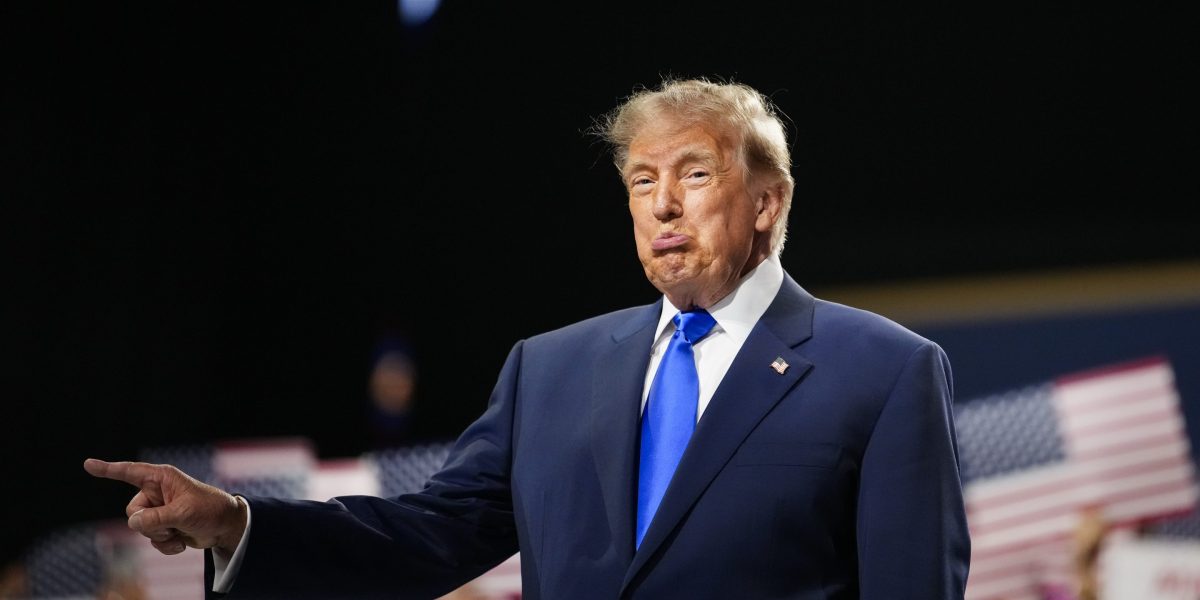
President Donald Trump announced a $5,000 payment promise during a rally in North Carolina. The idea is part of his broader “Trump dividend” proposal. The pledge has not been widely used in campaign ads or by Republican candidates.
Republican Candidates Stay Quiet
At the rally, Republican candidates did not address the $5,000 promise. Their silence reflects a pattern seen in other competitive races. The idea has not been a major part of campaign messaging.
Party Leaders Encourage Support
The Republican National Committee says candidates should support the plan. Spokesperson Natalie Baldassarre said the party encourages candidates to run on Trump’s agenda. However, few have done so publicly.
Some Candidates Back the Idea
Rep. Derrick Van Orden, a Republican in Wisconsin, has praised the proposal. He is one of the few candidates to openly support the plan. Others remain cautious or avoid the topic altogether.
Skepticism and Concerns
Democrats and some Republicans question the feasibility of the $5,000 pledge. Past promises of similar payments were not fulfilled. Critics say the idea would be costly and could increase inflation. The plan lacks clear funding sources and faces political resistance.