Source: BroBible
Summary
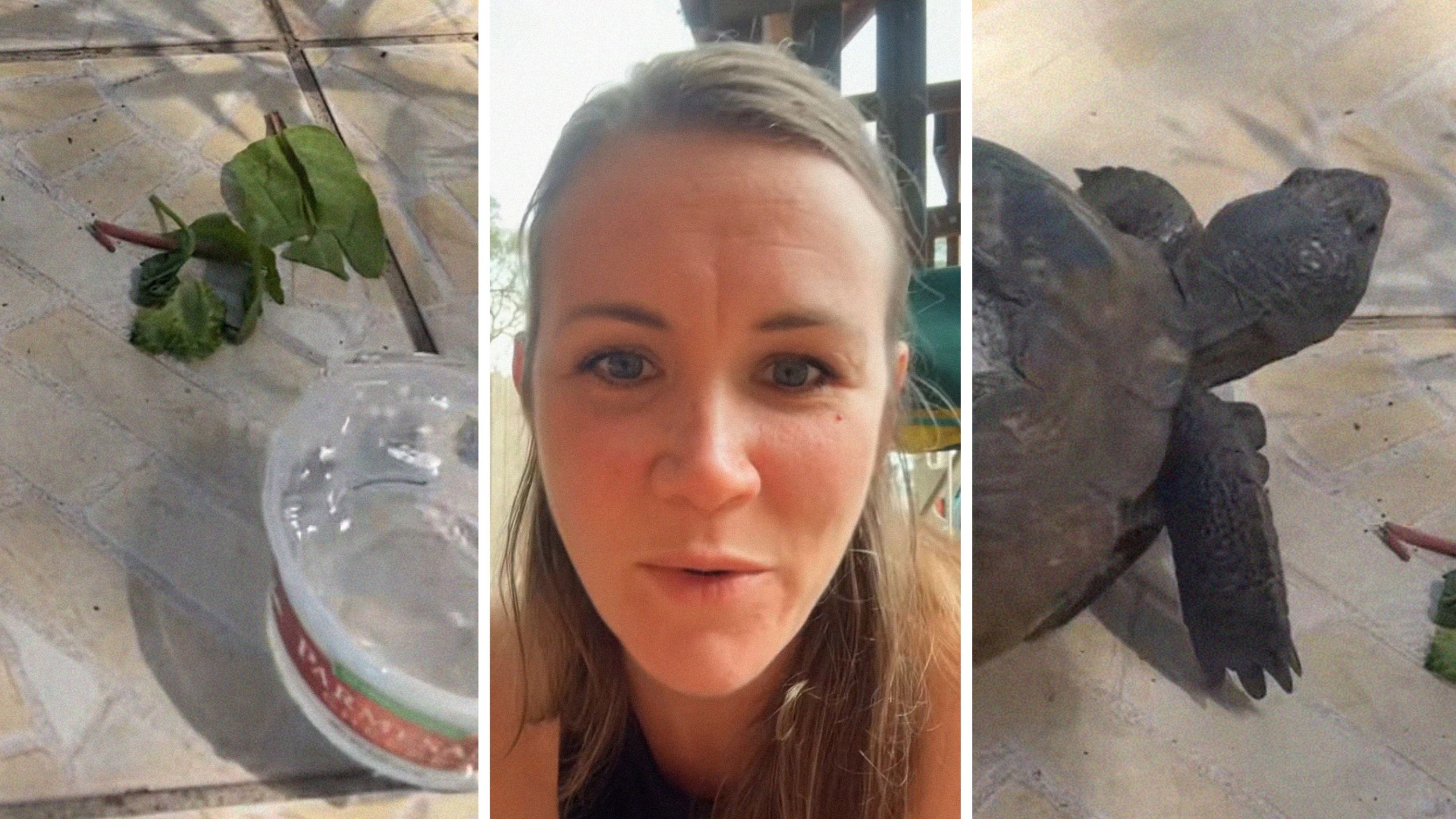
A woman posted a video of an injured tortoise on TikTok, which she later realized might be a gopher tortoise. Experts said handling the animal could be illegal. The video received 34,000 views. The tortoise was seen with a shell injury and was not touched. Commenters identified the species and warned about legal consequences. Gopher tortoises are protected in several states.
Our Reading
The habit gets a new name.
People try to help animals, then realize they’re not supposed to.
Cracked shells become a trending problem.
Wildlife agencies get more calls, not more respect.
Helping is illegal. That’s the new normal.
Author: Evan Null
Some Insight
In the comment section, viewers tried to identify the tortoise.
A commenter surmised what species of tortoise the TikToker may have met. “[That] is a gopher tortoise. Highly protected species. And very illegal to mess with. They are also extremely resilient. And that’s likely an old injury,” they said.
@cluck_n_crust_homestead responded, “No one messed with him. We offered water but didn’t touch him. He ran off.”
In a separate comment, the content creator said, “I thought the injury might’ve been old since it looked like it had been filled with something like cement. Maybe a catch and release by a vet service?”
Indeed, it does look like someone filled a laceration on the tortoise’s shell, potentially protecting it from further damage. It’s unclear, however, whether the tortoise truly is a gopher tortoise or if it was picked up by a wildlife organization previously.
What Is A Gopher Tortoise?
Gopher tortoises are found in the southeastern part of the United States—specifically, in Alabama, Florida, Georgia, Louisiana, Mississippi, or South Carolina. Commenters mentioned that the gopher tortoise is a resilient species, which is true. AskNature says “it excavates burrows into sandy soil, creating subterranean tunnels that are remarkably resilient to fire, heat, and drought.”
The burrows, while offering the tortoises refuge and protecting them from severe weather conditions, also help shelter 350 other species, according to AskNature. That’s one reason why it’s considered a keystone species.
States such as Florida and Georgia have specific conservation efforts for the tortoise. Urban development has contributed to mass habitat loss, according to the Florida Fish and Wildlife Conservation Commission.
Why Is It Illegal To Move A Gopher Tortoise With A Cracked Shell?
A few commenters mentioned that it’s illegal to touch or move a gopher tortoise. Is that true?
The answer technically depends on the state, as protections vary. In some areas, the species is considered “secure.” But the U.S. Fish and Wildlife Service notes that “the western [Distinct Population Segment (DPS)] continues to meet the definition of a threatened species under the ESA. The determination comes after a rigorous analysis of the best available scientific data and commercial information.”
The Florida Fish and Wildlife Conservation Commission says that “no person shall take, attempt to take, pursue, hunt, harass, capture, possess, sell or transport any gopher tortoise.”
Wildlife conservationists, such as Defenders of Wildlife, advise individuals not to move the tortoises. “[Not] only can that be bad for the tortoise, but it’s against the law,” the advocacy organization notes.
Instead, Defenders of Wildlife recommends reporting a tortoise sighting to the appropriate conservation commission. The Florida Fish and Wildlife Conservation Commission has a free reporter app, for instance.