Source: Fortune.com
Summary
China’s strategic oil reserves and reduced imports helped stabilize global oil prices during the conflict between the U.S. and Iran, according to analysts. The country’s energy self-reliance, part of its five-year plan, allowed it to cut crude imports as the Strait of Hormuz faced disruptions. Despite ongoing volatility, oil prices have not reached the dire projections seen earlier. Chinese officials have not confirmed if they aided Iran, but their actions have influenced global markets. The U.S. and China continue to navigate tensions over Iran and energy policy.
Our Reading
The numbers tell one story.
China’s oil stockpiles kept prices from spiking.
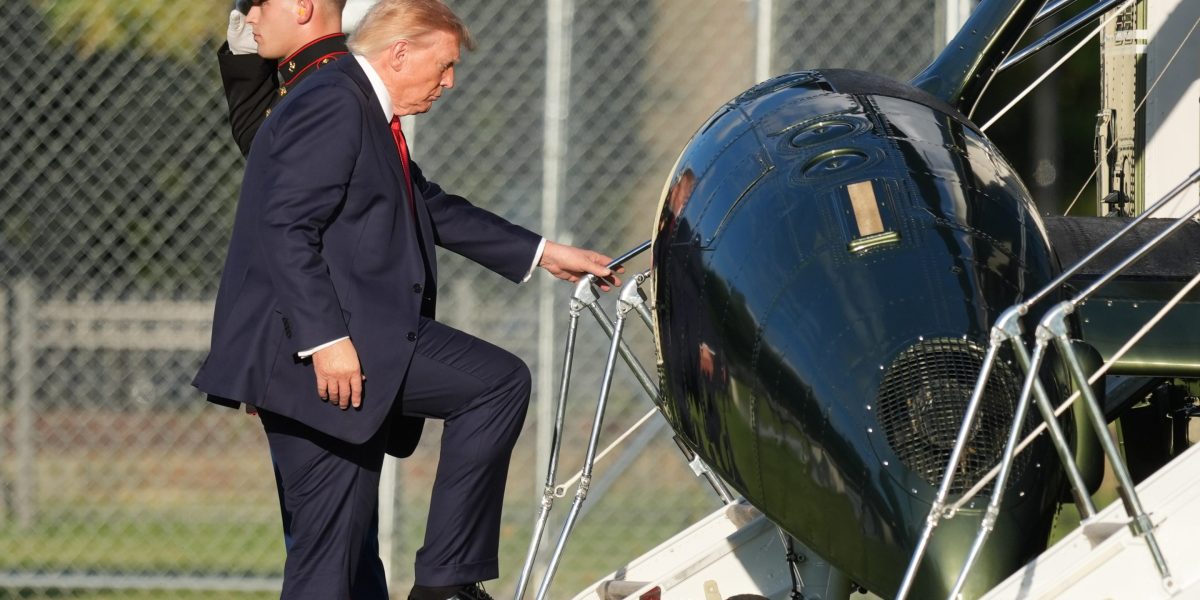
Trump called the war a “little excursion.”
Analysts credit Beijing’s restraint.
Xi’s energy plan is getting a test.
Author: Evan Null
China’s Strategic Oil Reserves and Global Market Stability
China’s strategic oil reserves, built over years, played a key role in stabilizing global oil prices during the ongoing conflict between the U.S. and Iran. The country’s decision to cut crude imports significantly helped ease upward pressure on prices. Analysts say this move had a major impact on global markets, preventing a sharp spike in oil prices. The U.S. and China continue to manage their positions on Iran, with Beijing emphasizing energy self-reliance as part of its broader economic strategy.
Trump’s War and the Impact on Oil Prices
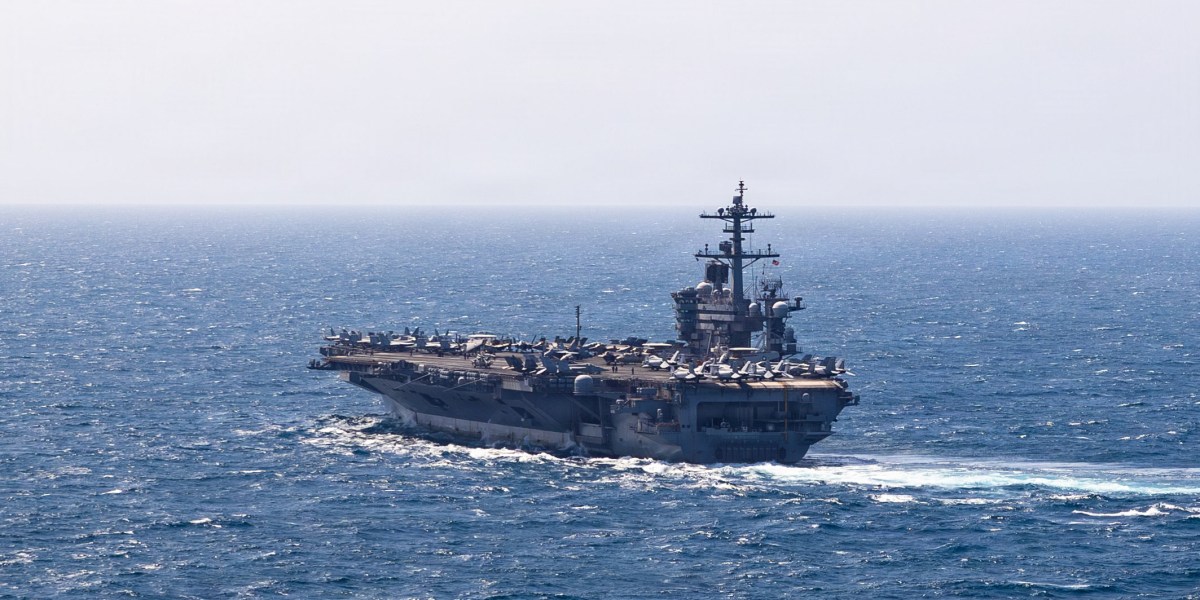
President Trump’s war against Iran led to initial warnings of oil prices doubling, but those projections have not materialized. Despite ongoing volatility, oil prices have remained relatively stable. The U.S. has faced pressure over high gasoline prices, and China’s actions have influenced the global market. Analysts credit Beijing’s decision to reduce imports as a major factor in keeping prices from rising further. The situation highlights the complex interplay between geopolitical tensions and energy markets.
China’s Energy Self-Reliance and Policy Goals
China’s energy self-reliance, part of its five-year plan, has allowed the country to weather the oil market volatility caused by the conflict. By drawing on its massive oil stockpiles, China reduced its reliance on foreign crude, helping to stabilize global demand. This strategy has been seen as a vindication of Xi Jinping’s focus on energy independence. However, the situation remains delicate, with new challenges arising from attacks on key shipping routes and the ongoing conflict in the Middle East.
U.S.-China Tensions Over Iran and Energy Policy
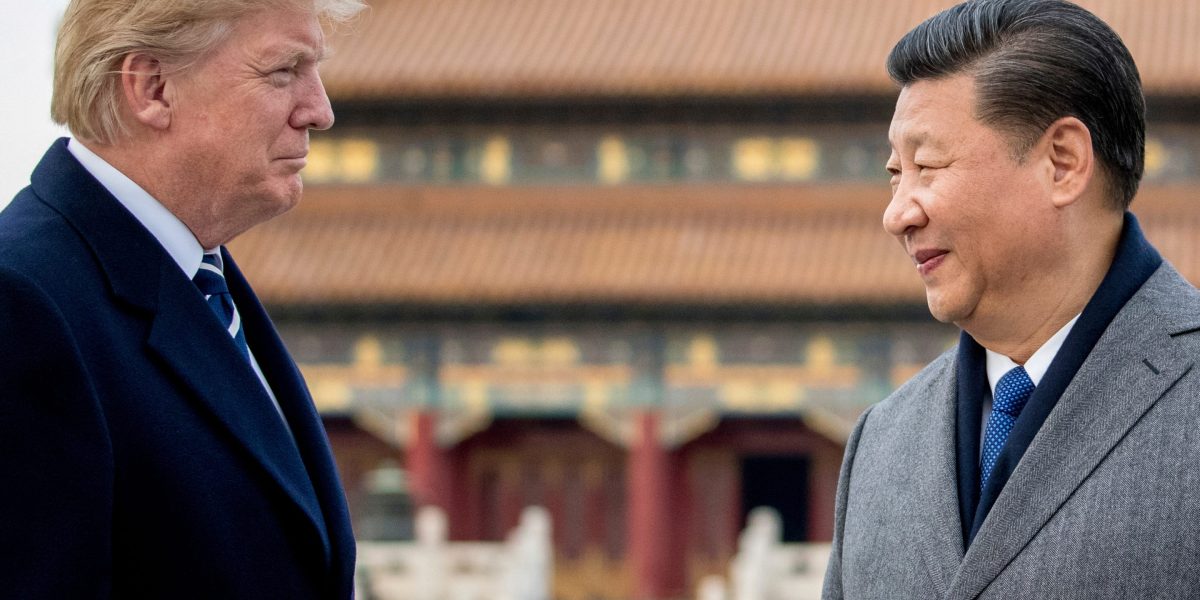
The U.S. and China continue to navigate their differences over Iran, with Beijing resisting pressure to use its economic leverage to end the conflict. Chinese officials have expressed opposition to the U.S. war and have bristled at recent threats of economic pressure on nations still doing business with Iran. Despite this, analysts note that China’s actions have had a measurable impact on global oil prices. The upcoming Trump-Xi summit is expected to address these issues, though breakthroughs remain unlikely.
Analysts and the Outlook for Oil Prices
Oil industry experts remain cautious about the outlook for prices, with some forecasting potential spikes if disruptions to the Strait of Hormuz persist. However, they also expect shipping through the strait to gradually resume. China’s reduced imports have been a key factor in keeping prices from rising sharply. Analysts say Beijing’s strategic reserves have allowed it to manage the market effectively, preventing a more severe price surge. The situation remains closely watched by investors and policymakers alike.