—
Source: Fortune.com
Summary
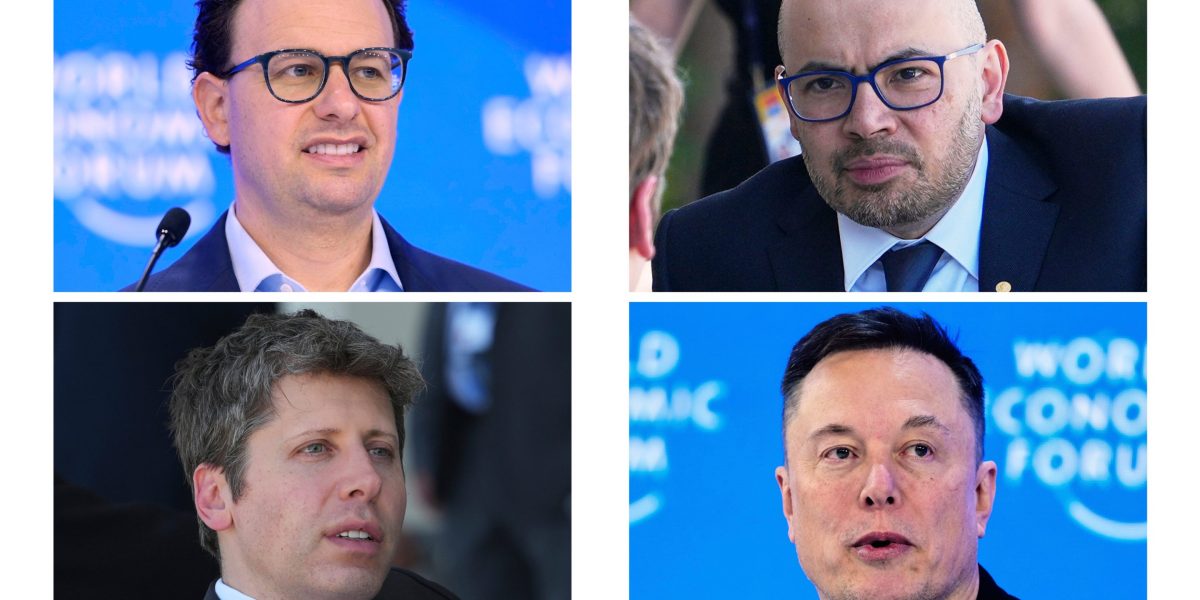
A lawsuit claims Anthropic, OpenAI, SpaceXAI, and Google colluded to slow AI development, violating antitrust laws. Filed in the U.S. District Court for the Northern District of California, the case argues that the slowdown reduced consumer value from paid AI subscriptions. The coordination allegedly began on Sept. 12, when Anthropic CEO Dario Amodei published an essay urging industrywide safety measures. OpenAI’s Sam Altman, SpaceXAI’s Elon Musk, and Google DeepMind’s Demis Hassabis publicly supported the idea. The plaintiffs, who pay for AI subscriptions, argue the agreement harmed competition. Representatives for the companies did not respond to requests for comment.
Our Reading
The announcement sounds familiar.
Four AI giants face antitrust claims over a slowdown.
CEO essays and public responses set the stage.
Plaintiffs say the pact hurt consumer value.
Regulation and competition remain at odds.
Author: Evan Null
AI Giants in Legal Crosshairs
The lawsuit against Anthropic, OpenAI, SpaceXAI, and Google marks a new chapter in the ongoing legal scrutiny of major AI companies. The plaintiffs argue that the companies’ coordinated slowdown in AI development violated antitrust laws, claiming it reduced the value of paid subscriptions for consumers. The case centers around a Sept. 12 event, when CEO Dario Amodei of Anthropic published an essay advocating for industrywide safety measures, which was met with public support from Sam Altman of OpenAI, Elon Musk of SpaceXAI, and Demis Hassabis of Google DeepMind. The lawsuit is being led by lawyers representing four named plaintiffs who pay for AI services, and it seeks to represent a broader class of users.
Antitrust Concerns and Industry Responses
The plaintiffs argue that the agreement among AI leaders to slow progress had an anticompetitive effect, limiting consumer choice and value. They claim that the companies’ coordination was not just a voluntary effort but an illegal collusion that reduced the pace of innovation. While the companies have not publicly responded to the lawsuit, their public statements suggest a willingness to engage in safety discussions. For instance, OpenAI’s Sam Altman expressed support for a federal framework for AI safety, though he said the company did not need an antitrust exemption to begin working on safety measures. This highlights the tension between innovation and regulation in the AI sector.
Government’s Role in AI Regulation
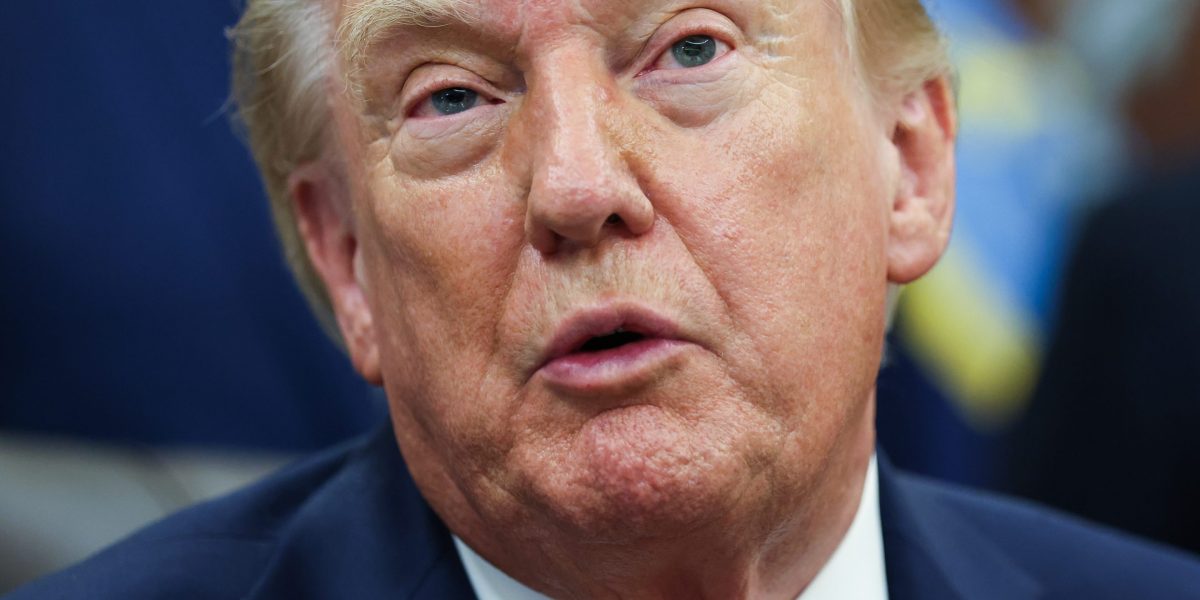
The lawsuit also raises questions about the government’s role in regulating AI. Dario Amodei, in his essay, suggested that the U.S. government should mediate or at least enable cross-lab discussions on AI safety. He proposed a narrow waiver for certain safety conversations, but the government’s involvement remains unclear. Meanwhile, President Donald Trump has been vocal in rejecting AI regulation, calling it part of a “conspiracy” that could harm AI companies. His stance reflects a broader political divide, with Republicans largely opposing antitrust exemptions for AI firms, while some Democrats have called for more regulatory action.
Political and Legal Challenges
The legal battle over AI regulation is not just a corporate issue but a political one. While some lawmakers, like Sen. Josh Hawley, have opposed antitrust exemptions for AI companies, others have pushed for stronger oversight. The lawsuit adds to the pressure on both the government and the tech industry to find a balance between innovation, safety, and competition. The plaintiffs argue that they are not against regulation or antitrust exemptions, but they believe the current approach is harmful to consumers. The outcome of this case could set a precedent for how AI companies operate and how the government intervenes in their activities.
Broader Implications for AI Development
The lawsuit reflects growing concerns about the pace and direction of AI development. While some leaders in the AI space have long advocated for shared safety standards, the recent coordination has sparked legal and political debates. The plaintiffs argue that the companies’ actions could lead to a future where AI development is controlled by a few powerful entities, rather than being driven by competition. This case could influence how AI companies approach collaboration, regulation, and public accountability in the future. As the legal process unfolds, it will be closely watched by both the tech industry and policymakers.