Source: Fortune
Summary
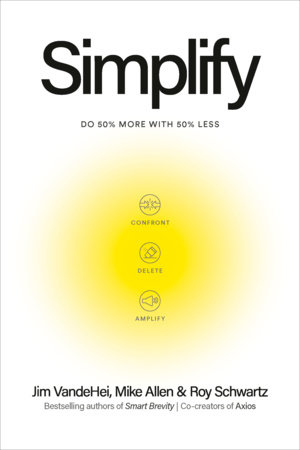
Jim VandeHei, Mike Allen, and Roy Schwartz, founders of Axios, discuss their new book “Simplify” in an interview with Fortune. They argue that AI has not improved efficiency but instead increased workloads, leading to more emails, decks, and unproductive tasks. The book proposes a framework for auditing and streamlining work, based on their own experiences. They note that employees struggle to distinguish real work from work-like activity, and that AI has complicated this further. The authors suggest regular audits and prioritization to regain control over time and focus.
Our Reading
The numbers tell one story.
VandeHei, Allen, and Schwartz say AI has increased workloads, not reduced them.
They argue that people struggle to differentiate real work from work-like activity.
The book suggests regular audits and prioritization to regain control.
They see AI as a false productivity trap that complicates work further.
Author: Evan Null
How AI ruined your inbox
The founders of Axios argue that AI has not improved efficiency but instead increased workloads. They say AI has led to more emails, decks, and unproductive tasks. They believe people struggle to distinguish real work from work-like activity, which AI has complicated further. The book proposes a framework for auditing and streamlining work, based on their own experiences.
The power of ‘I’m booked’
Allen describes how he uses the “simplify” tenets in his personal life, emphasizing the power of saying “I’m booked” to decline non-essential commitments. He says that many people feel obligated to accept every invitation, but the book teaches that saying no is essential for focus and productivity. The authors suggest that people should only commit to things that truly matter, and that saying no is a complete sentence.
Why the ’90s were slower, if not better
VandeHei and Allen argue that the 1990s were slower but not necessarily better. They say that today’s constant influx of information and tasks creates a cognitive burden that limits focus and productivity. They suggest that the success of their newsletters, like the Politico Playbook and Axios, was due to their ability to provide focused, important information. They believe that the sheer volume of daily inputs has a cost, not just in distraction but in mental capacity.
AI and cognitive strain
VandeHei and Schwartz offer a split diagnosis on AI’s impact on cognition. VandeHei argues that the right approach depends on one’s career stage, with early-career individuals needing to develop their own thinking before relying on AI. For more experienced professionals, AI can enhance productivity if used strategically. The book suggests that AI should be leveraged for specific tasks rather than as a general tool.
The future of work and AI
VandeHei and Allen believe that the key to navigating AI is being ruthless about what matters. They suggest that individuals and organizations should evaluate their work and determine what is truly necessary. They also highlight the value of Gen Z interns who are being treated as AI experts due to their comfort with the tools. The authors argue that the future of work will require a balance between AI use and human focus.