—
Source: Fox News
Summary
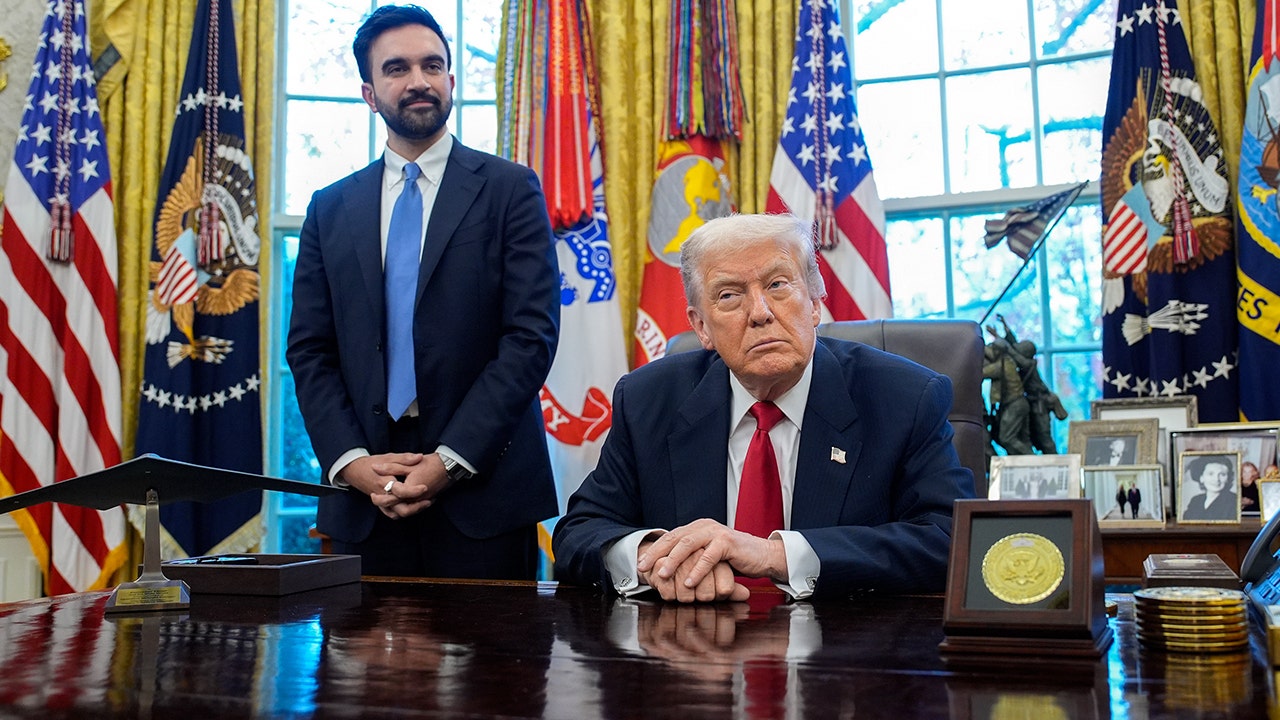
President Donald Trump announced plans to convert a proposed triumphal arch near the Arlington Memorial Bridge into a military complex. The 250-foot structure, inspired by the Arc de Triomphe, would house drones, snipers, and ammunition. Trump said the project was approved by the U.S. Military for national security. The monument, intended for the 250th anniversary of the U.S., would be clad in granite and topped with golden statues. Critics argue it could disrupt views of the Lincoln Memorial and Arlington National Cemetery. The National Capital Planning Commission has approved the site and preliminary plans, but further review is needed. Trump has also pursued other major projects, including a new White House ballroom and gold accents in the Oval Office.
Our Reading
As expected, the matter has reached another stage.
Trump announces a military complex inside a triumphal arch.
He cites the military and national security as reasons.
The arch will be in a place where people visit the Lincoln Memorial.
It’s another project that feels like a performance of power and legacy.
Author: Evan Null
Trump’s Triumphal Arch and the Art of Monumental Performance
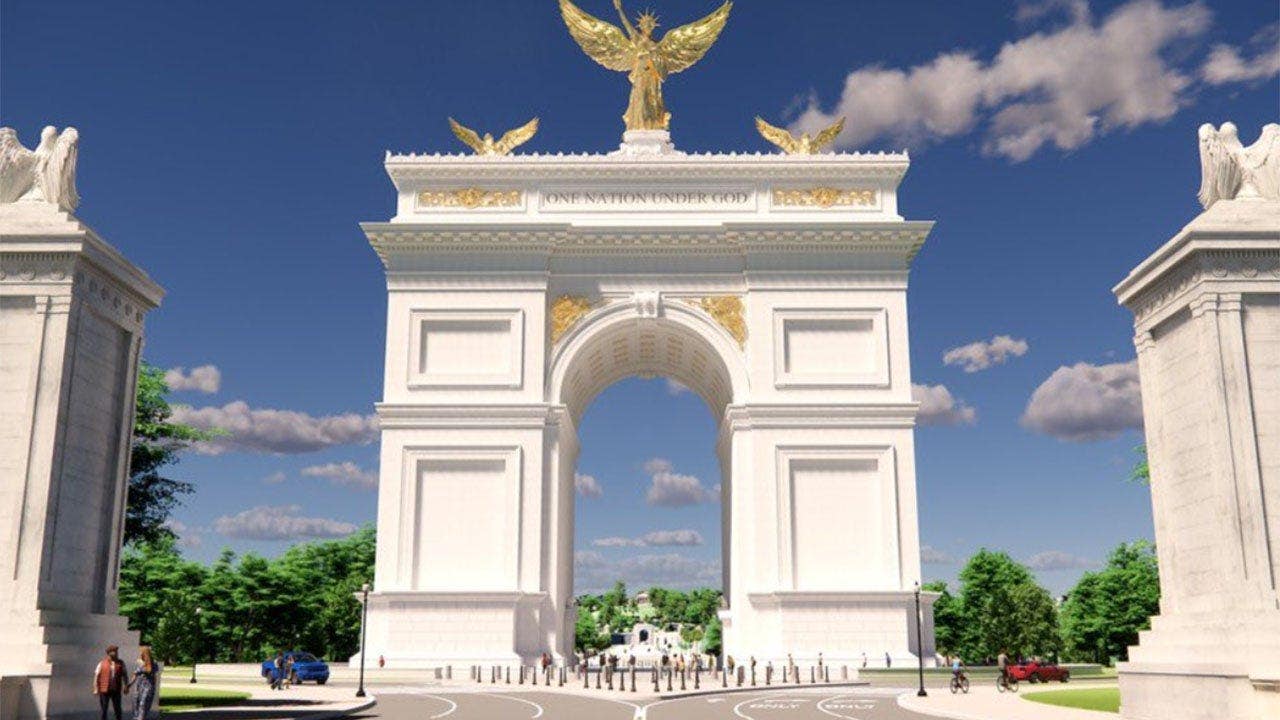
President Donald Trump has revealed plans for a triumphal arch near the Arlington Memorial Bridge, a structure inspired by the Arc de Triomphe in Paris. The arch, intended to mark the 250th anniversary of the United States, is described as a “magnificent” monument. Trump claims the structure will be converted into a military complex, capable of housing drones, snipers, and ammunition. He attributes the decision to the “strong request” of the U.S. Military and national security concerns.
The arch would be 250 feet tall and clad in granite, with three golden statues at the top. It is meant to welcome visitors crossing the Memorial Bridge from Arlington National Cemetery into Washington, D.C. The project has drawn criticism from preservationists, lawmakers, and veterans, who worry about its impact on the surrounding landscape and historical sites. Some also question whether the project requires congressional approval under federal law.
The National Capital Planning Commission has approved the site and preliminary plans, but the project still needs further review. Construction was expected to begin this month. Trump has also been involved in other major construction projects in Washington, including a new White House ballroom and renovations to the Oval Office. These projects have been funded by Trump and private donors.
The White House ballroom, announced last July, is expected to accommodate 650 seated guests and follow the classical design of the White House. It will replace the existing East Wing and is estimated to cost $200 million. Trump has also added gold accents to the Oval Office, installed two 88-foot flagpoles, and made other renovations to the White House grounds.
Despite the controversy, Trump continues to push forward with his vision for Washington, D.C. His projects often blend historical references with modern military and political symbolism. The triumphal arch, like the other projects, seems to serve as both a statement of power and a performance of legacy.
The Triumphal Arch and the Ritual of Presidential Symbolism
The triumphal arch is not just a structure; it is a symbol of power and legacy. Trump has described it as a “top grade Military Complex,” but its purpose seems to go beyond military function. It is a monument that draws on historical references, such as the Arc de Triomphe, to evoke a sense of grandeur and national pride.
The project is part of a larger pattern of presidential initiatives that blend historical imagery with modern political and military goals. The arch is intended to welcome visitors to the capital, but its placement near the Lincoln Memorial and Arlington National Cemetery raises concerns about its impact on the surrounding landscape and historical sites.
Trump has also been involved in other major projects, including renovations to the White House. These projects often involve significant financial investment and are funded by Trump and private donors. The White House ballroom, for example, is expected to cost $200 million and will replace the existing East Wing.
The arch and other projects reflect a broader trend in presidential symbolism, where physical structures are used to reinforce political messages and historical narratives. These projects often serve as both a statement of power and a performance of legacy, designed to leave a lasting impression on the public and the historical record.
The Military Complex and the Performance of National Security
The conversion of the triumphal arch into a military complex is a key part of Trump’s vision. He claims the structure will be used for “rapid ability” to deploy drones, as well as for snipers and ammunition storage. This description suggests a blend of historical symbolism and modern military function, reinforcing the idea of national security through physical presence.
The military aspect of the project is presented as a response to the “strong request” of the U.S. Military, but the exact nature of that request is not specified. The arch is also described as a “top grade Military Complex,” which implies a level of sophistication and capability that goes beyond traditional monuments.
Trump’s emphasis on military readiness and national security is a recurring theme in his public statements. The arch, with its potential for military use, seems to be part of this broader narrative, reinforcing the idea of a strong and prepared nation.
The White House and the Gilded Legacy
Trump has also been involved in major renovations to the White House, including the addition of gold accents and a new ballroom. These projects reflect a desire to create a lasting legacy, both in terms of physical space and historical significance. The new ballroom, for example, is expected to be a grand space for hosting events and welcoming guests.
The White House has also seen other changes, such as the installation of two 88-foot flagpoles and the addition of stone pavers to the Rose Garden. These changes, like the triumphal arch, are part of a larger pattern of projects that blend historical references with modern design and function.
The Triumphal Arch and the Politics of Visibility
The placement of the triumphal arch near the Arlington Memorial Bridge and the Lincoln Memorial raises questions about visibility and historical context. The structure is intended to welcome visitors to the capital, but its location near important historical sites could be seen as a disruption to the existing landscape.
Opponents of the project argue that it could impact the views of the Lincoln Memorial and Arlington National Cemetery. They also question whether the project requires congressional approval under federal law. These concerns highlight the broader political and legal considerations involved in large-scale construction projects in Washington, D.C.