Source: Fortune
Summary
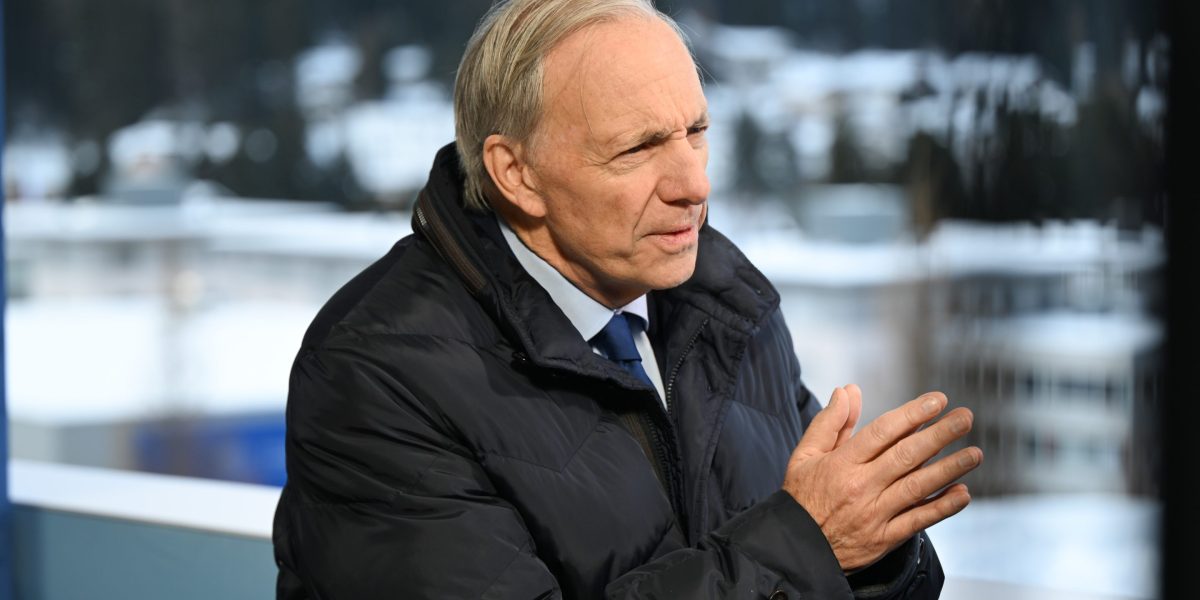
Ray Dalio, founder of Bridgewater Associates, says AI will boost productivity but also worsen wealth inequality and create a stock market bubble. He compares the situation to the dotcom bubble, where tech investments led to a boom and bust. Dalio acknowledges both the benefits and risks of AI, noting that wealth will concentrate among those who innovate. Citi’s Conrad DeQuadros points out that today’s corporate margins are stronger than in past bubbles. JPMorgan’s Jamie Dimon sees parts of the AI sector as bubble-like, while Dalio warns of deepening economic divides.
Our Reading
The numbers tell one story.
Dalio sees AI as both a productivity engine and a bubble.
Wealth gaps widen as tech leaders profit.
Citi notes stronger corporate margins now.
History rhymes, but not exactly.
Author: Evan Null
The AI Divide
Ray Dalio’s comments highlight the dual nature of AI—its potential to transform the economy and its risk of deepening inequality. He argues that while AI will create immense value, the benefits will not be evenly distributed. This divide is already evident in the wealth of top tech executives and investors, who stand to gain the most from AI advancements.
Dalio’s perspective echoes concerns about the financial risks of overinvestment in new technologies. He draws a parallel to the dotcom bubble, where overenthusiasm led to a crash, but also to long-term economic shifts. His warning is not about AI itself, but about how society manages its economic consequences.
While some see AI as a new era of prosperity, others fear it will exacerbate existing inequalities. Dalio suggests that the real challenge is not the technology, but how it is managed and who benefits from it. This is a recurring theme in economic history, where innovation brings both opportunity and disruption.
Despite the risks, the current investment cycle differs from past bubbles. Corporate margins are strong, and companies are entering the AI era with more financial stability. This could mean a different outcome than the dotcom crash, but it doesn’t eliminate the potential for overvaluation and market corrections.
The conversation around AI is not just about technology, but about power, wealth, and the future of work. As Dalio notes, the real question is how society will address the growing gap between those who profit and those who are left behind.