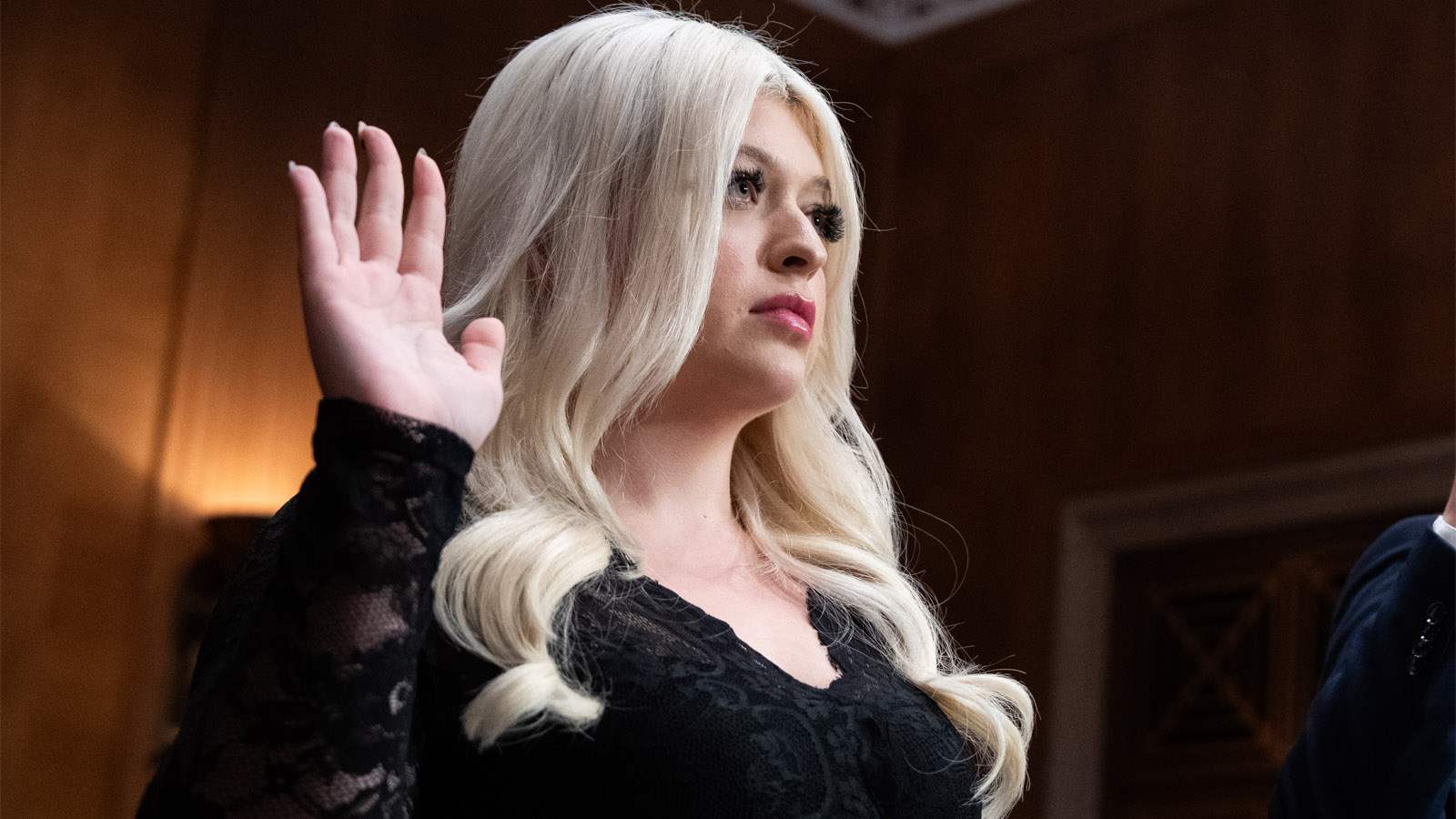
Source: BroBible
Summary
Kerri Walsh Jennings, a three-time Olympic gold medalist, joined Major League Volleyball (MLV) as a founding owner, choosing it over League One Volleyball (LOVB) due to its franchise-based structure. MLV operates like traditional U.S. sports leagues, with independent ownership groups. LOVB, by contrast, maintains centralized control over teams and operations. Walsh Jennings’ teammate Misty May-Treanor is on the advisory board for LOVB. Both leagues aim to grow women’s volleyball in the U.S., but their differing models have created a rivalry.
Our Reading
The habit gets a new name.
Franchise owners want to feel like bosses.
Centralized control feels like a corporate boardroom.
Teammates now root for different leagues.
It’s a sports business war with no clear winner.
Author: Evan Null
Kerri Walsh Jennings Wanted Actual Franchise Owners
Walsh Jennings chose MLV because it felt more traditional to U.S. sports. That’s a fancy way of saying she wanted to feel like a boss. The league’s structure is more like the NFL or NBA, where each team is run by its own group. That’s a big deal for someone who’s been in the game for years.
Her ownership group includes big names like Vivek Ranadivé and Andre Iguodala. That’s not just a team—they’re a mini boardroom. Walsh Jennings thinks having separate owners brings more ideas and competition. It’s like saying, “I don’t want to be told what to do.”
LOVB, on the other hand, is more centralized. It’s built as one connected ecosystem, from youth to pro. That’s not bad, but it’s not what Walsh Jennings wanted. She’s not against structure, just the kind that feels too top-down.
It’s a classic clash of models. One wants franchises, the other wants an ecosystem. And now, two Olympic gold medalists are on opposite sides of the same sport.
It’s not just a business decision—it’s personal. Walsh Jennings and May-Treanor were once inseparable. Now they’re on different teams, like a sports version of a divorce.
Misty May-Treanor Is On The Other Side
Misty May-Treanor, Walsh Jennings’ longtime beach volleyball partner, is now advising LOVB. That’s a twist no one saw coming. The two were known for their dominance, but now they’re splitting up like a couple in a reality show.
May-Treanor’s role with LOVB is part of the league’s strategy to build a connected volleyball system. It’s not just about pro teams—it’s about youth, college, and everything in between. That’s a big vision, but it’s also a lot to manage.
The rivalry between the two leagues is real. MLV is expanding fast, while LOVB is growing its footprint. Both are trying to fill the gap in U.S. women’s volleyball. But with two leagues, there’s more opportunity—but also more competition.
Walsh Jennings says having two leagues is good for players, but she’s not blind to the fact that one will eventually win. That’s the natural order of things. It’s not just about winning—it’s about survival.
For now, the two Olympic stars are still part of the same story. Just not the same team. It’s like a sports version of a family feud, but with more volleyball and less drama.
Two Leagues, One Olympic Legacy
The split between Walsh Jennings and May-Treanor is more than just a business move. It’s a reflection of how the sport is evolving. Both leagues are trying to create something lasting, but their paths are different.
MLV’s model is more familiar to U.S. sports fans. It’s about ownership, competition, and building something from the ground up. That’s a strong selling point, especially for someone with Walsh Jennings’ experience.
LOVB’s approach is more about control and consistency. It’s a more structured way to grow the sport, but it might not appeal to everyone. That’s why having two leagues is important—it gives players and fans different options.
Walsh Jennings and May-Treanor are both trying to shape the future of women’s volleyball. But they’re doing it in different ways. That’s not a bad thing—it’s just a sign of a sport that’s still finding its footing.
The rivalry is just getting started. With more teams and more players, the competition will only get fiercer. But for now, the two Olympic stars are still part of the same story—just not the same side.
The Volleyball Civil War
This isn’t just a business decision—it’s a full-blown civil war. Two Olympic gold medalists, once inseparable, are now on opposite sides of a league war. It’s like watching two friends turn into rivals, but with more volleyball and less hugs.
The real question is: who will win? MLV has more teams and is expanding faster. LOVB has a more connected system and is building from the ground up. It’s a classic battle of models, and the fans are stuck in the middle.
Walsh Jennings says having two leagues is good for players, but she’s not naive. She knows eventually one will come out on top. That’s the natural order of things. It’s not just about winning—it’s about survival.
May-Treanor’s role with LOVB shows that the rivalry isn’t just about money—it’s about legacy. Both leagues are trying to leave a mark on women’s volleyball. But with two leagues, the story is still being written.
For now, the two Olympic stars are still part of the same story. Just not the same team. It’s like a sports version of a family feud, but with more volleyball and less drama.
Franchise vs. Ecosystem
MLV is all about franchises. That’s the key difference. It’s not just about teams—it’s about ownership, culture, and competition. That’s a big deal for someone like Walsh Jennings, who’s been in the game for years.
LOVB, on the other hand, is all about the ecosystem. It’s a connected system that spans from youth to pro. That’s a bold move, but it’s also a lot to manage. It’s not just about one league—it’s about the whole sport.
Walsh Jennings thinks the franchise model is better because it gives owners more control. That’s not a bad argument, but it’s also not the only way. LOVB’s model has its own strengths, even if it’s not as familiar to U.S. sports fans.
The rivalry is real, but it’s also a reflection of how the sport is growing. With two leagues, there’s more opportunity—but also more competition. It’s a sign that women’s volleyball is finally getting the attention it deserves.
For now, the two Olympic stars are still part of the same story. Just not the same team. It’s like a sports version of a family feud, but with more volleyball and less drama.