Source: Fox News
Summary
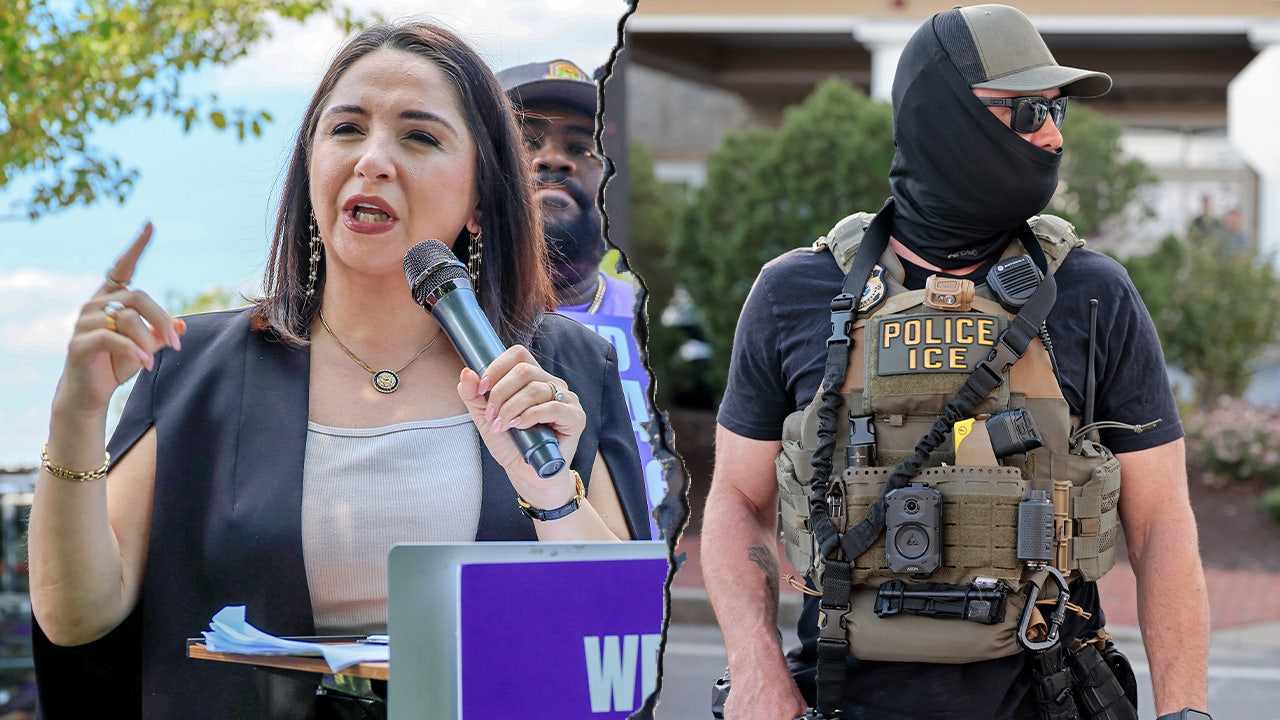
DHS Secretary Markwayne Mullin criticized Rep. Delia Ramirez’s legislation, which aims to dismantle the Department of Homeland Security and abolish ICE. Mullin and his spokesperson called the bill radical and said it would endanger Americans. Ramirez’s Reimagining Safety Act would replace DHS with a Department of Community Safety, preserving some agencies but abolishing ICE and CBP. Ramirez defended the bill, saying it would create a more humane system and hold the government accountable.
Our Reading
As expected, the matter has reached another stage.
Mullin calls Ramirez a threat to national safety.
Ramirez says DHS is a weapon to be dismantled.
DHS lists arrests in Illinois to justify its work.
Both sides repeat their roles in a familiar script.
Author: Evan Null
Key Figures and Positions
DHS Secretary Markwayne Mullin is a staunch defender of the current immigration enforcement system. He has repeatedly criticized Rep. Delia Ramirez, a progressive Democrat, for her efforts to dismantle the department. Mullin claims that Ramirez’s proposals would leave Americans vulnerable and endanger law enforcement.
Rep. Delia Ramirez, a member of the “Squad,” is pushing for a major overhaul of the Department of Homeland Security. Her Reimagining Safety Act would replace DHS with a new agency focused on community safety. Ramirez argues that the current system is flawed and needs to be restructured to better serve the public.
The legislation would abolish ICE and CBP, two agencies that have faced significant criticism for their enforcement practices. Ramirez and her allies argue that these agencies have contributed to a system that prioritizes deportation over human rights and community safety.
Mullin and his spokesperson have responded by highlighting the work of ICE and CBP, citing specific arrests and convictions in Illinois. They argue that these agencies are essential for maintaining national security and protecting American citizens.
The debate reflects a broader ideological divide over immigration policy. While some see the current system as necessary for border security, others argue that it is inhumane and needs to be reformed or replaced entirely.
Legislative Efforts and Reactions
Rep. Delia Ramirez’s Reimagining Safety Act has drawn strong opposition from the Trump administration and its allies. The bill aims to create a new Department of Community Safety, which would replace the current DHS structure. This includes the abolition of ICE and CBP, which are seen as central to the current immigration enforcement system.
Mullin and his spokesperson have criticized the bill as radical and dangerous. They argue that it would weaken border security and put Americans at risk. The DHS has also pointed to a list of arrests in Illinois to support its position, highlighting cases involving violent offenders.
Ramirez has defended her proposal, stating that the current system is flawed and needs to be reimagined. She argues that the government should focus on protecting communities rather than enforcing strict immigration policies. Her bill is part of a broader movement to reform or abolish agencies that have been criticized for their handling of immigration.
The debate has also been influenced by recent events, including the shooting of a Venezuelan national in Austin, Texas, and the killing of two U.S. citizens by federal immigration officials. These incidents have fueled calls for reform and increased scrutiny of immigration enforcement practices.
Despite the criticism, Ramirez and her supporters remain committed to their vision of a more humane and accountable immigration system. They argue that the current structure is not only ineffective but also harmful to both immigrants and the communities they live in.
Public and Political Responses
The debate over the Reimagining Safety Act has sparked strong reactions from both the public and political figures. Supporters of the bill argue that it represents a necessary shift toward a more compassionate and community-focused approach to immigration. They believe that the current system is outdated and needs to be replaced with something that better reflects the values of fairness and justice.
Opponents, including DHS Secretary Markwayne Mullin, argue that the bill would weaken national security and put Americans at risk. They claim that agencies like ICE and CBP are essential for maintaining order and protecting the country from potential threats. This perspective is often reinforced by highlighting specific cases where these agencies have made arrests or taken action against individuals deemed dangerous.
Public opinion on the issue is divided, with many Americans expressing concerns about both the effectiveness of current immigration policies and the potential consequences of major reforms. Some support the idea of reimagining safety, while others fear that dismantling existing agencies could lead to increased crime or security risks.
Political figures on both sides have used the debate to rally their bases and push their agendas. The issue has become a focal point for discussions about the role of government, the treatment of immigrants, and the balance between security and civil liberties. As the debate continues, it remains a central part of the national conversation on immigration reform.
The outcome of the debate will likely depend on the ability of both sides to present compelling arguments and gain public support. Whether the Reimagining Safety Act moves forward or is blocked, the discussion reflects the broader challenges of addressing immigration in a way that is both effective and just.
Historical Context and Recent Developments
The debate over the Reimagining Safety Act is part of a larger conversation about the role of the Department of Homeland Security in the United States. The agency was created in the aftermath of the 9/11 attacks, with a focus on national security and border control. Over the years, it has faced criticism for its handling of immigration enforcement, particularly with regard to the treatment of undocumented immigrants and the use of detention facilities.
Recent events have intensified the debate, including the shooting of a Venezuelan national in Austin, Texas, and the killing of two U.S. citizens by federal immigration officials. These incidents have led to increased scrutiny of immigration enforcement practices and calls for reform. The controversy has also been fueled by the actions of high-profile figures, such as Rep. Rashida Tlaib, who has criticized ICE and called for its abolition.
The Reimagining Safety Act is one of several legislative efforts aimed at reshaping the immigration system. It is part of a broader movement to address concerns about the current structure of immigration enforcement and to create a more humane and effective approach. The bill’s supporters argue that it represents a necessary step toward a more just and equitable system.
Opponents of the bill, including DHS Secretary Markwayne Mullin, argue that it would undermine the work of agencies like ICE and CBP, which they believe are essential for maintaining national security. They also point to the potential risks of dismantling these agencies, including the possibility of increased crime and security threats.
The debate reflects the ongoing tension between security and civil liberties, as well as the challenges of addressing immigration in a way that is both effective and just. As the discussion continues, it remains a key issue in the national conversation on immigration reform.
Impact and Implications
The Reimagining Safety Act has significant implications for the future of immigration policy in the United States. If passed, it would represent a major shift in how the government approaches immigration enforcement. The bill’s supporters argue that it would create a more humane and community-focused system, while its opponents fear that it would weaken border security and put Americans at risk.
The debate has also highlighted the deep ideological divide over immigration policy. While some see the current system as necessary for national security, others argue that it is inhumane and needs to be reformed or replaced. This divide has been reflected in the strong reactions from both sides, with each side presenting arguments that reflect their values and priorities.
The impact of the bill will depend on its ability to gain support in Congress and the public’s willingness to accept a major overhaul of the immigration system. It also raises important questions about the role of government in addressing immigration and the balance between security and civil liberties. These questions are likely to remain central to the national conversation on immigration reform.
As the debate continues, it is clear that the issue of immigration will remain a key focus for policymakers and the public. Whether the Reimagining Safety Act moves forward or is blocked, the discussion reflects the broader challenges of addressing immigration in a way that is both effective and just.
The outcome of the debate will have lasting effects on the future of immigration policy in the United States. It will shape how the government approaches immigration enforcement and will influence the treatment of immigrants and the communities they live in. As the discussion continues, it remains a central part of the national conversation on immigration reform.