Source: Fox News
Summary
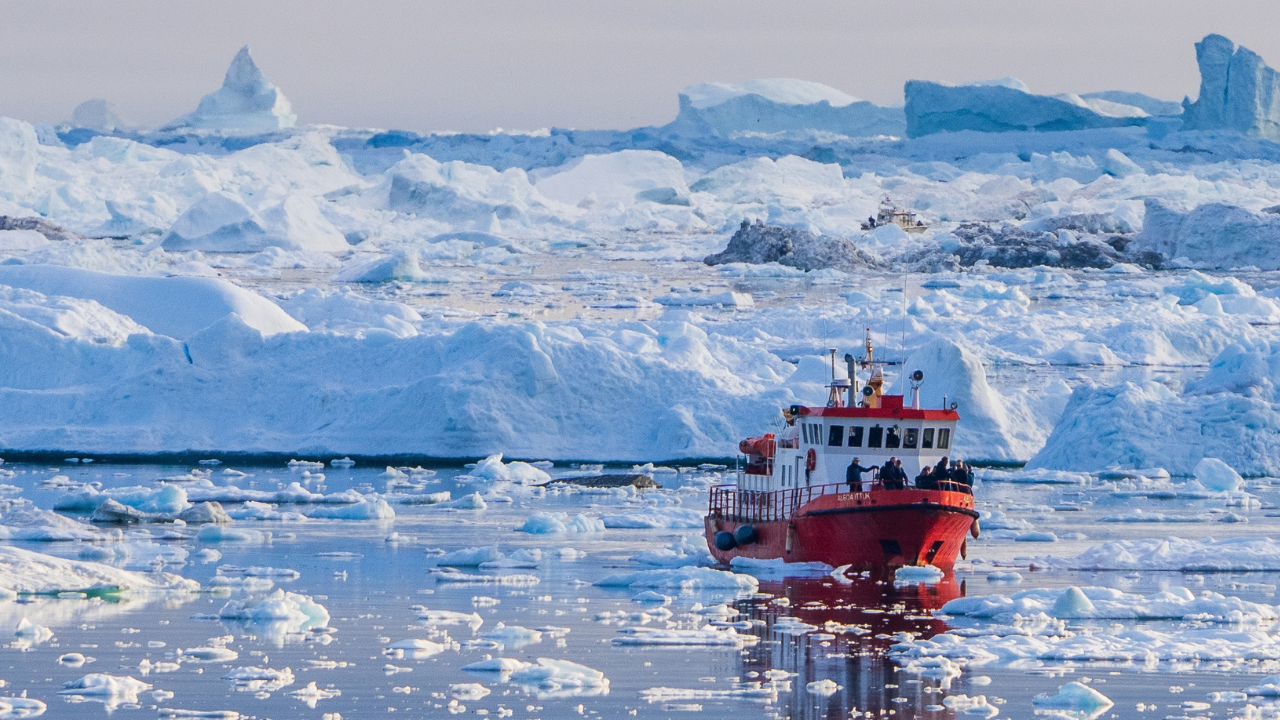
Greenland, mostly covered in ice, holds resources like rare earth minerals, nickel, copper, and oil, which are vital to the global economy. Its strategic location between North America and Europe makes it important for military and shipping routes. President Donald Trump pushed for increased U.S. influence in Greenland, leading to a new security agreement with Denmark and Greenland. The deal expands U.S. military presence while keeping Greenland under Danish control. U.S. companies are exploring mineral and oil deposits, citing reduced dependence on China and Russia.
Our Reading
As expected, the matter has reached another stage.
Trump pushed for control of Greenland.
A new security deal expands U.S. military presence.
Companies explore minerals and oil beneath the ice.
Greenland’s value lies in its location and resources.
Author: Evan Null
Greenland’s Strategic Importance
Greenland is a key location for global resources and military routes. Its position between North America and Europe makes it valuable for shipping and defense. The island is rich in minerals and oil, which are critical to the global economy. The U.S. seeks to reduce reliance on China and Russia for these resources. Greenland remains under Danish sovereignty, but the U.S. has a military presence there.
Trump’s Interest in Greenland
Donald Trump has long focused on Greenland, pushing for greater American influence. His administration signed a new security agreement with Denmark and Greenland. The deal allows for expanded U.S. military presence while keeping Greenland under Danish control. Trump’s focus on Greenland aligns with broader U.S. goals of securing resources and strategic positions. The agreement is seen as a step toward long-term investment in the region.
Mineral and Oil Exploration
U.S. companies are exploring Greenland for minerals like nickel, copper, and cobalt. These resources are essential for electronics, batteries, and defense technology. Oil and gas exploration is also underway, with plans for an exploratory well in 2027. The region’s geology is compared to the North Sea, suggesting potential for oil production. However, the projects remain unproven and require further investment and permits.
Global Energy and Supply Chain Concerns
Global conflicts, like in Ukraine and Iran, have highlighted vulnerabilities in energy and supply chains. Greenland’s resources could help reduce dependence on China and Russia. The Strait of Hormuz is a critical oil route, and its instability has increased interest in alternative sources. Greenland’s location makes it a strategic point for energy and military operations. The U.S. sees it as a key asset in global competition.
Greenland’s Future and Challenges
Greenland’s future depends on its ability to develop resources while managing environmental and political challenges. The melting Arctic ice is opening new shipping routes and increasing interest from global powers. The U.S. military presence in Greenland is long-standing, with facilities like Pituffik Space Base. The new agreement with Denmark and Greenland is expected to boost investor confidence. However, the success of mineral and oil projects remains uncertain.