Source: Fox News
Summary
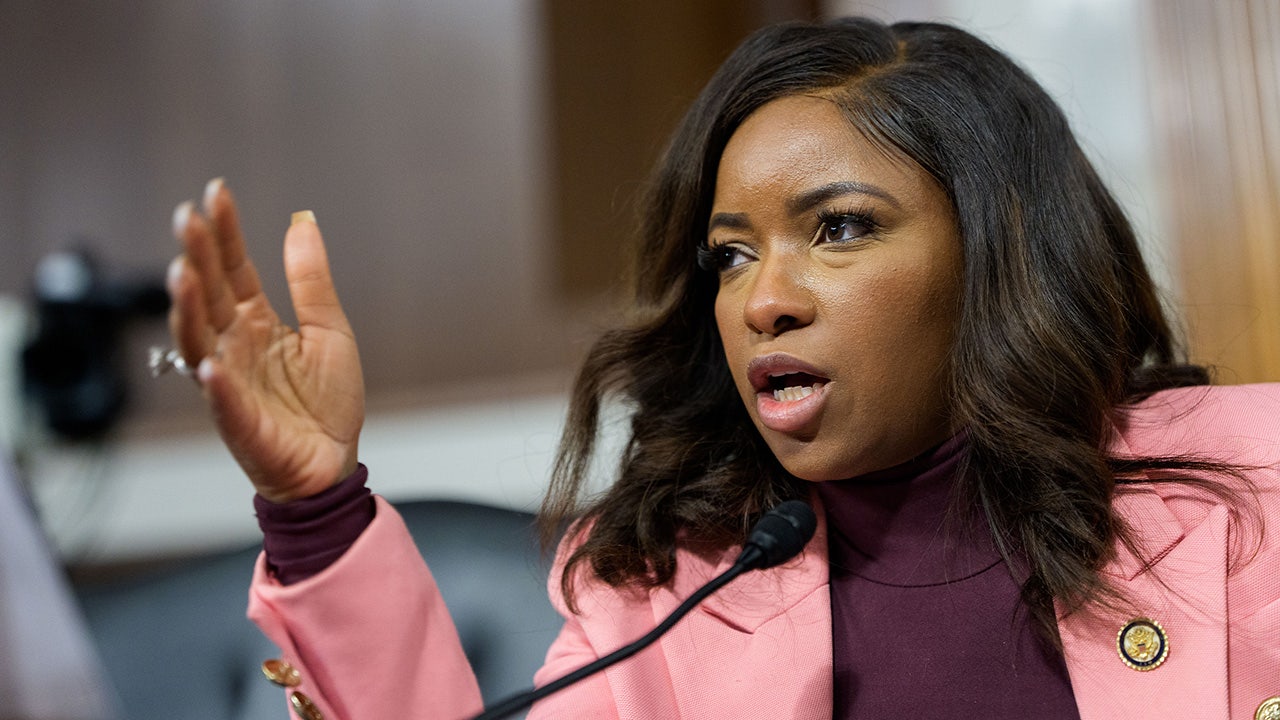
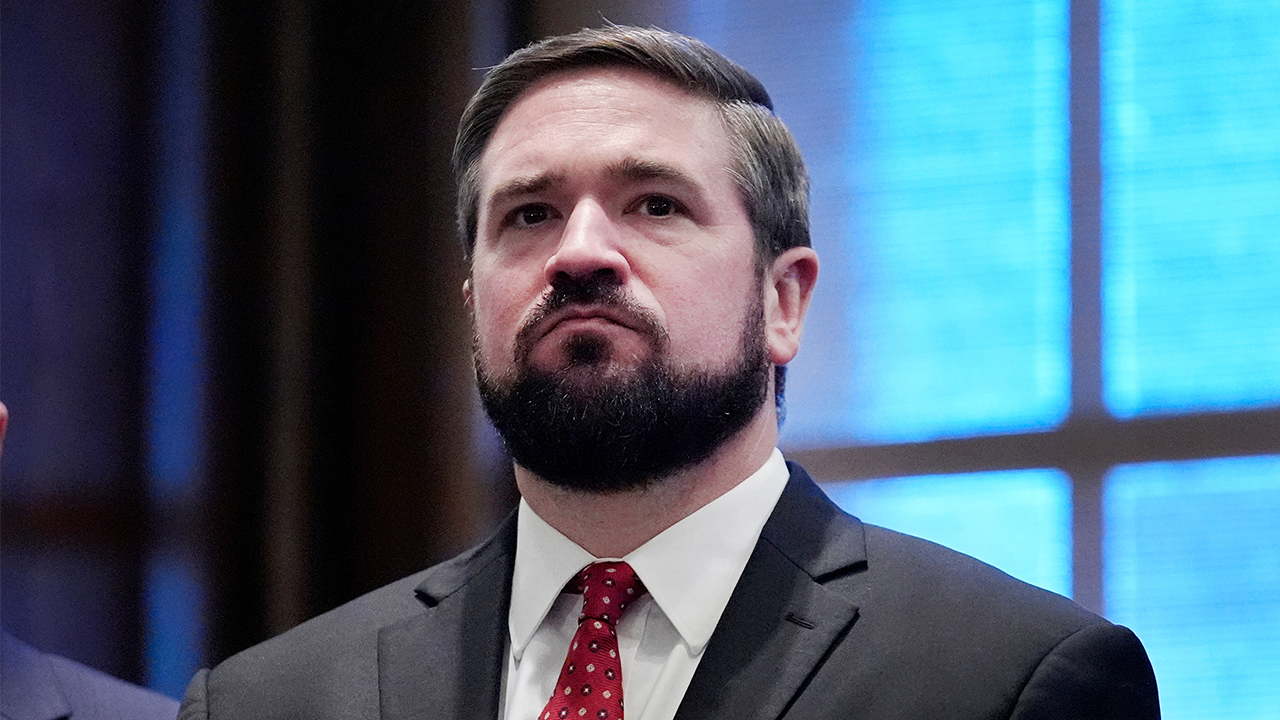
Audit records show that during his time as director of Florida’s Division of Emergency Management, Rep. Jared Moskowitz allowed over $1 billion in COVID-19 relief funding to be distributed without proper oversight, according to a 2022 state audit. The report found that FDEM did not monitor subrecipients of the funding, violating federal regulations. Moskowitz resigned from the post in April 2021, before the end of the 2020-2021 fiscal year. His congressional opponent, Scott Singer, criticized the lack of oversight, citing past concerns about Moskowitz’s handling of disaster funds. Moskowitz’s campaign defended his work, noting his reappointment by a Republican governor and praise from some Republicans.
Our Reading
As expected, the matter has reached another stage.
Moskowitz oversaw billions in relief without checks.
His opponent points to past concerns about oversight.
The audit shows a pattern of limited monitoring.
Public funds move without clear accountability.
Author: Evan Null
Florida’s Emergency Management and the Oversight Gap
During his tenure as director of the Florida Division of Emergency Management, Rep. Jared Moskowitz oversaw the distribution of over $1 billion in COVID-19 relief funds. The 2022 state audit revealed that FDEM did not monitor subrecipients of these funds, which violated federal regulations. The audit highlighted the lack of oversight, including the failure to review subrecipient audit reports and address any deficiencies.
Moskowitz resigned from the post in April 2021, just two months before the end of the 2020-2021 fiscal year. Despite this, his congressional opponent, Scott Singer, argued that the responsibility for the oversight gap fell on Moskowitz. Singer pointed to past concerns about Moskowitz’s handling of disaster funds, including an incident in 2017 involving a cleanup company.
Moskowitz’s campaign defended his work, noting that he had been reappointed by a Republican governor and that Florida had one of the best COVID responses in the country. He also cited praise from some Republicans, including his opponent, for his disaster-related efforts.
The audit raises questions about the oversight of state-level allocations for government funds, an issue that Republicans have suggested needs more attention. Moskowitz and Singer will face off in the November general election, with the audit serving as a point of contention in the race.
The situation highlights the challenges of managing large-scale relief efforts and the potential consequences of limited oversight. As the election approaches, the audit is likely to remain a key issue in the campaign.
The Audit and Its Implications
The 2022 audit of the Florida Division of Emergency Management revealed significant weaknesses in the oversight of federal funds. Specifically, it found that FDEM did not monitor the activities of subrecipients, a requirement under federal regulations. This lack of oversight extended to the distribution of over $1 billion in COVID-19 relief funds, raising concerns about the proper use of taxpayer money.
The audit emphasized the need for monitoring, including reviewing financial and performance reports and following up on any deficiencies found through audits or on-site reviews. The failure to do so could leave funds vulnerable to misuse or mismanagement, which is a concern for both state and federal officials.
Moskowitz’s resignation from the FDEM post in April 2021, just before the end of the 2020-2021 fiscal year, has not absolved him of criticism. His opponent, Scott Singer, argues that the lack of oversight during Moskowitz’s leadership is a serious issue, especially when it comes to public funds.
The audit has also brought attention to Moskowitz’s past work, including his role as an attorney for a disaster-cleanup company. This has led to questions about potential conflicts of interest and the broader implications for how disaster funds are managed.
The situation underscores the importance of transparency and accountability in the distribution of government funds, particularly during times of crisis when large sums of money are involved.
Political Implications and Campaign Dynamics
The audit has become a focal point in the political race between Rep. Jared Moskowitz and his Republican opponent, Scott Singer. Singer has used the findings to criticize Moskowitz’s leadership, arguing that the lack of oversight reflects a broader pattern of mismanagement. This has become a key issue in the campaign, with both candidates using the audit to support their respective positions.
Moskowitz’s campaign has defended his work, emphasizing that he was reappointed by a Republican governor and that Florida’s response to the pandemic was among the best in the country. He has also pointed to praise from some Republicans, including his opponent, for his efforts in disaster management.
The audit has also raised questions about the broader oversight of state-level allocations for government funds. Republicans have signaled that this issue merits more attention, and the findings could influence future policies on how such funds are managed and monitored.
As the November election approaches, the audit is likely to remain a central issue in the race. Both candidates are using it to frame their campaigns, with Moskowitz defending his record and Singer highlighting the concerns raised by the audit.
The situation illustrates how political campaigns can turn audit findings into points of contention, shaping public perception and influencing voter decisions.
Public Funds and the Need for Accountability
The audit highlights the importance of accountability in the management of public funds, especially during times of crisis. The lack of oversight in the distribution of over $1 billion in COVID-19 relief funds raises concerns about how taxpayer money is being used. This is particularly relevant in a state like Florida, where large-scale relief efforts are common.
The findings also underscore the need for clear guidelines and procedures to ensure that funds are used appropriately. Without proper monitoring, there is a risk that money could be misused or mismanaged, which could have serious consequences for the communities that rely on these funds.
The situation has also drawn attention to the broader issue of how disaster funds are managed, including the role of subrecipients and the need for regular audits. This has become a point of debate, with some arguing that more attention is needed to prevent similar issues in the future.
The audit has also raised questions about the potential for conflicts of interest, particularly in cases where individuals have close ties to the organizations receiving the funds. This is a concern that extends beyond the current situation and could have implications for future disaster management efforts.
Ultimately, the audit serves as a reminder of the importance of transparency and accountability in the use of public funds, especially when large sums are involved.
Reactions and Future Outlook
The audit has generated a range of reactions, with both supporters and critics of Moskowitz weighing in on the findings. His campaign has emphasized his reappointment by a Republican governor and the praise he has received from some Republicans, including his opponent, for his disaster-related work. These statements are meant to counter the criticisms raised by the audit.
At the same time, the audit has also prompted calls for greater oversight of state-level allocations for government funds. Republicans have signaled that this issue is of concern, and the findings could influence future policies on how such funds are managed and monitored. This has led to discussions about the need for more rigorous oversight and accountability measures.
The situation has also raised questions about the broader implications for how disaster funds are managed. With the November election approaching, the audit is likely to remain a key issue in the race, shaping public perception and influencing voter decisions. Both candidates are using it to frame their campaigns, with Moskowitz defending his record and Singer highlighting the concerns raised by the audit.
The audit serves as a reminder of the importance of transparency and accountability in the use of public funds, especially during times of crisis. It also highlights the challenges of managing large-scale relief efforts and the potential consequences of limited oversight.
As the election approaches, the audit is likely to remain a central issue in the race, with both candidates using it to support their respective positions. The findings could have lasting implications for how disaster funds are managed in the future.