Source: Fortune.com
Summary
Higgsfield AI, an AI video startup, created the film “Hell Grind” with a team of 15, a $500,000 budget, and AI-generated actors and visuals. Co-founder Mahi De Silva said filmmaking remains an art, but AI startups claim it will disrupt creative roles. McKinsey predicts AI could influence 20% of film and TV content spending by 2030. Higgsfield raised $400 million at a $5.4 billion valuation, while Runway, another AI startup, raised $315 million at a $5.3 billion valuation. AI is also being used in projects like “The Old Stories: Moses,” backed by Amazon and starring Ben Kingsley.
Our Reading
The announcement sounds familiar.
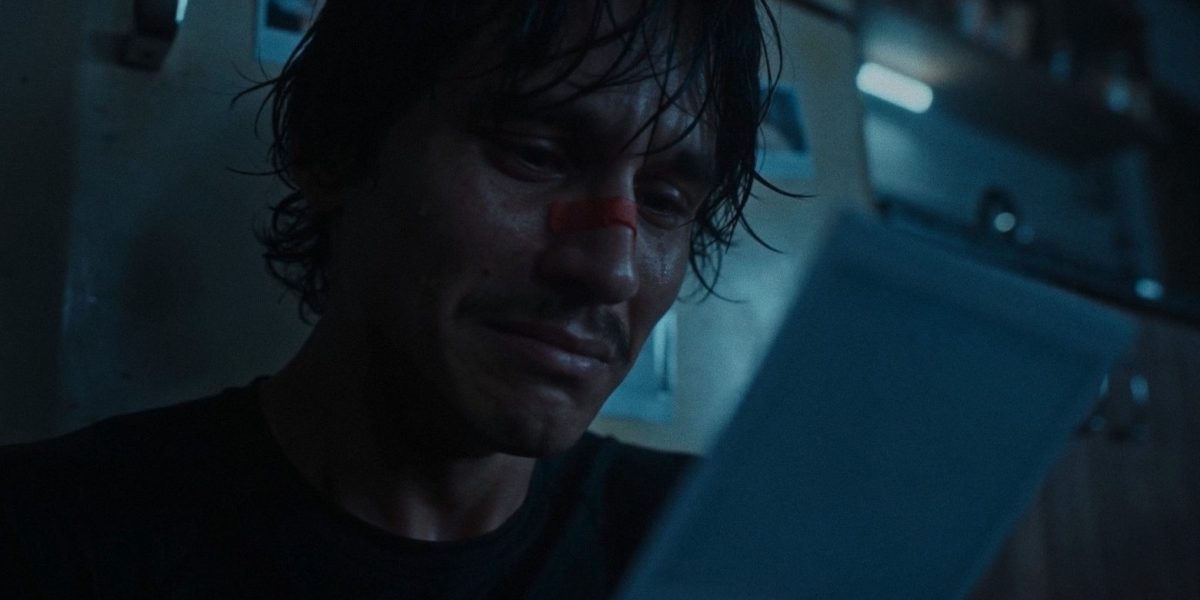
Higgsfield AI made a film with AI, not people.
Startups claim AI will disrupt creative jobs, but filmmakers say art still matters.
Investors pour billions into AI startups, betting on disruption.
AI is changing how movies are made, but not everyone is convinced.
Author: Evan Null
AI Films and the Hollywood Shift
The emergence of AI-generated films like “Hell Grind” has sparked debate over the future of filmmaking. Higgsfield AI, a startup, created the movie with a team of 15 and a budget of $500,000, using AI for all visuals and actors. The project highlights the growing role of artificial intelligence in content creation, even as traditional filmmakers argue that artistry remains essential.
McKinsey predicts that by 2030, AI could influence up to 20% of original content spending on films and TV. This shift is already being felt as startups like Higgsfield and Runway raise massive amounts of capital. Higgsfield raised $400 million at a $5.4 billion valuation, while Runway secured $315 million at a $5.3 billion valuation. These figures signal strong investor confidence in AI’s potential to transform the industry.
Despite the hype, not all industry figures are convinced. Mahi De Silva, co-founder of Higgsfield AI, insists that directors, screenwriters, and actors will still be needed. “What we have found is that filmmaking is still an art,” he said. Yet, the push for AI-driven content is relentless, with companies like Runway and Luma pushing the boundaries of what is possible with AI in production.
Runway’s recent projects, such as the short film “Rules of Horse…for Dummies,” demonstrate the speed and flexibility of AI in content creation. The company also partnered with Lionsgate, a major film studio, to explore AI-generated content. Meanwhile, Luma, another AI startup, raised $900 million in funding and is working on hybrid production processes for projects like “The Old Stories: Moses,” which features Oscar-winning actor Ben Kingsley.
The rise of AI in Hollywood is not without challenges. Some filmmakers, like Scott Greenberg of Chronicle, caution against overreliance on AI. “You never want to tell a creator what to make,” he said. The balance between innovation and preserving artistic integrity remains a key issue as AI continues to reshape the industry.
Investor Confidence and AI’s Role in Content Creation
Investors are pouring billions into AI startups that promise to revolutionize the entertainment industry. Higgsfield AI, founded in 2023, raised $400 million in a Series B round at a $5.4 billion valuation, a fourfold increase from its $1.3 billion valuation just eight months earlier. Runway, another AI video startup, raised $315 million in a Series E round, valued at $5.3 billion. These figures reflect a growing belief that AI will play a major role in content creation, from scriptwriting to visual effects.
AI’s impact is already visible in projects like “Hell Grind,” which used AI for all visuals and actors, and “The Old Stories: Moses,” which incorporated generative AI in a hybrid production process. Luma, another AI startup, raised $900 million in November 2025, with backing from major tech firms like Nvidia and AMD. The company’s Luma Agents tool allows studios and agencies to execute creative work across text, images, video, and audio, signaling a shift toward AI-assisted production.
Despite the optimism, some industry figures remain skeptical. Chronicle, an AI startup focused on audience insights, warns that AI cannot predict how every viewer will respond to content. “We just don’t have the models or the data to do that,” said co-founder Aaron Sisto. This highlights the limitations of AI in understanding human behavior and creativity.
AI is also being used to enhance existing content. Runway’s Gen 4.5 model can generate videos based on written prompts, while Luma’s tools help studios optimize marketing campaigns and trailers. These applications show that AI is not just replacing human roles but also augmenting them, offering new tools for creatives to work with.
As AI continues to evolve, its role in filmmaking will likely expand. Companies like Higgsfield, Runway, and Luma are leading the charge, backed by significant investments and a growing belief in the technology’s potential. However, the balance between innovation and artistic integrity remains a key challenge for the industry.
AI and the Future of Filmmaking
The rise of AI in filmmaking is reshaping the industry, with startups like Higgsfield AI and Runway leading the charge. Higgsfield’s “Hell Grind” was created with AI-generated actors and visuals, using a team of 15 and a $500,000 budget. Runway’s AI tools, including its Gen 4.5 model, allow for video generation based on written prompts, offering new possibilities for content creation. These developments signal a shift toward AI-assisted production, where human creativity is enhanced rather than replaced.
Investors are showing strong confidence in AI-driven content, with Higgsfield raising $400 million at a $5.4 billion valuation and Runway securing $315 million at a $5.3 billion valuation. Luma, another AI startup, raised $900 million in November 2025, with backing from major tech firms like Nvidia and AMD. These investments reflect a growing belief that AI will play a central role in the future of entertainment, from scriptwriting to visual effects.
However, the integration of AI into filmmaking is not without challenges. Some industry figures, like Scott Greenberg of Chronicle, caution against overreliance on AI. “You never want to tell a creator what to make,” he said. This highlights the tension between innovation and artistic control, as AI tools become more prevalent in the production process.
AI is also being used to enhance audience engagement and marketing. Chronicle’s AI tools help studios understand how audiences will respond to content, allowing for more targeted marketing campaigns. Runway’s recent projects, such as the short film “Rules of Horse…for Dummies,” demonstrate the speed and flexibility of AI in content creation. These applications show that AI is not just replacing human roles but also augmenting them, offering new tools for creatives to work with.
As AI continues to evolve, its role in filmmaking will likely expand. Companies like Higgsfield, Runway, and Luma are leading the charge, backed by significant investments and a growing belief in the technology’s potential. However, the balance between innovation and artistic integrity remains a key challenge for the industry.
The AI Film Revolution and Industry Reactions
The emergence of AI-generated films like “Hell Grind” has sparked a wave of investment and innovation in the entertainment industry. Higgsfield AI, a startup that created the film with a team of 15 and a $500,000 budget, is part of a growing trend where artificial intelligence is being used to streamline production and reduce costs. The company raised $400 million in a Series B round at a $5.4 billion valuation, showing strong investor confidence in AI’s potential to transform the industry.
Runway, another AI startup, has also seen significant growth, raising $315 million in a Series E round at a $5.3 billion valuation. The company’s Gen 4.5 model can generate videos based on written prompts, offering new possibilities for content creation. Runway has also partnered with Lionsgate, a major film studio, to explore AI-generated content, signaling a shift toward AI-assisted production in Hollywood.
Despite the optimism, some industry figures remain cautious. Aaron Sisto of Chronicle warned that AI cannot predict how every viewer will respond to content. “We just don’t have the models or the data to do that,” he said. This highlights the limitations of AI in understanding human behavior and creativity, even as startups push the boundaries of what is possible.
AI is also being used to enhance audience engagement and marketing. Chronicle’s AI tools help studios understand how audiences will respond to content, allowing for more targeted marketing campaigns. Runway’s recent projects, such as the short film “Rules of Horse…for Dummies,” demonstrate the speed and flexibility of AI in content creation. These applications show that AI is not just replacing human roles but also augmenting them, offering new tools for creatives to work with.
As AI continues to evolve, its role in filmmaking will likely expand. Companies like Higgsfield, Runway, and Luma are leading the charge, backed by significant investments and a growing belief in the technology’s potential. However, the balance between innovation and artistic integrity remains a key challenge for the industry.
AI and the Changing Landscape of Hollywood
The integration of AI into Hollywood is reshaping the way films are made, with startups like Higgsfield AI and Runway leading the charge. Higgsfield’s “Hell Grind” was created with AI-generated actors and visuals, using a team of 15 and a $500,000 budget. The film’s production highlights the growing role of artificial intelligence in content creation, even as traditional filmmakers argue that artistry remains essential. Investors are showing strong confidence in AI-driven content, with Higgsfield raising $400 million at a $5.4 billion valuation and Runway securing $315 million at a $5.3 billion valuation.
Runway’s AI tools, including its Gen 4.5 model, allow for video generation based on written prompts, offering new possibilities for content creation. The company has also partnered with Lionsgate, a major film studio, to explore AI-generated content, signaling a shift toward AI-assisted production in Hollywood. Luma, another AI startup, raised $900 million in November 2025, with backing from major tech firms like Nvidia and AMD, further demonstrating the growing interest in AI’s potential to transform the entertainment industry.
Despite the optimism, some industry figures remain cautious. Scott Greenberg of Chronicle warned that AI cannot replace human creativity. “You never want to tell a creator what to make,” he said. This highlights the tension between innovation and artistic control, as AI tools become more prevalent in the production process. AI is also being used to enhance audience engagement and marketing, with Chronicle’s AI tools helping studios understand how audiences will respond to content.
AI is not just replacing human roles but also augmenting them, offering new tools for creatives to work with. Runway’s recent projects, such as the short film “Rules of Horse…for Dummies,” demonstrate the speed and flexibility of AI in content creation. These developments signal a shift toward AI-assisted production, where human creativity is enhanced rather than replaced. As AI continues to evolve, its role in filmmaking will likely expand, reshaping the industry in ways that are still unfolding.
The rise of AI in Hollywood is not without challenges. While startups like Higgsfield, Runway, and Luma are pushing the boundaries of what is possible, the balance between innovation and artistic integrity remains a key issue. As AI continues to transform the entertainment industry, its impact on filmmakers, audiences, and the creative process will be closely watched.