Source: Fortune
Summary
A survey by Preply found that 92% of Gen Z workers use AI for learning, but 57% struggle to apply what they learn in real-world situations. The study, which surveyed over 5,000 professionals, showed that Gen Z respondents were more likely than Gen X to feel stuck despite spending more time learning. Employers are concerned about whether workers are developing practical skills. Josh Crossick of Preply said AI is a tool, not a complete solution, and that human coaching is still essential. Apratim Purakayastha of Skillsoft echoed that AI practice tools have limits and do not replace coaching.
Our Reading
The numbers tell one story.
Gen Z uses AI more than other generations.
But applying what they learn is harder.
Employers worry about skill gaps.
Human coaching remains key.
The gap between learning and doing is real.
Author: Evan Null
Learning more, but feeling stuck
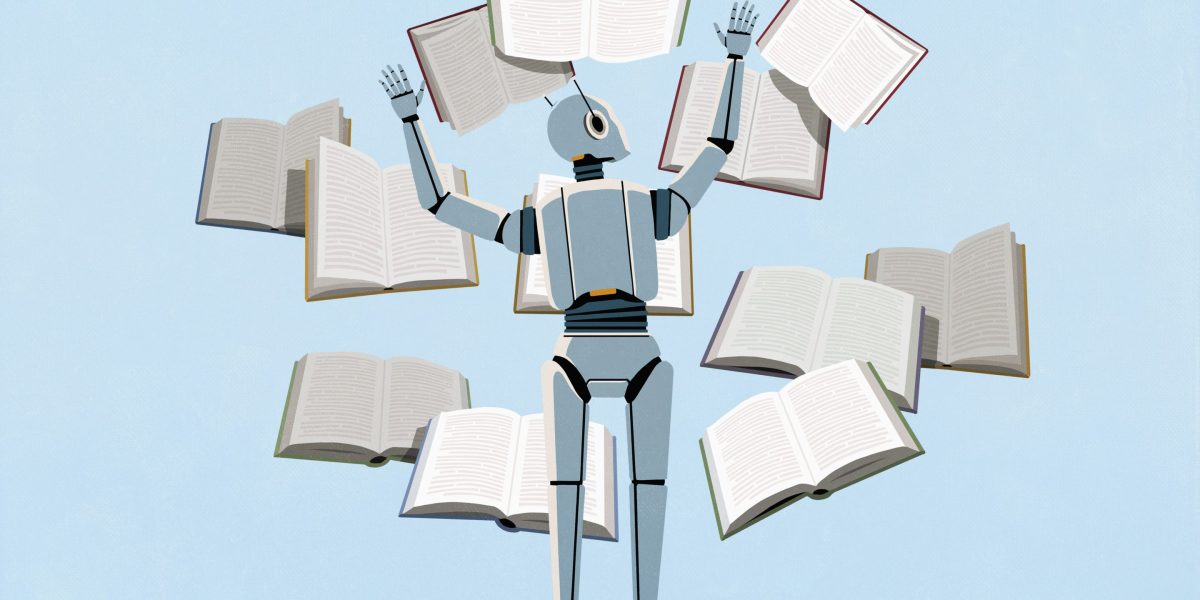
AI can make practice material easier to find. Todd Hughes, who trains language tutors at Rosetta Stone, previously told Fortune that he asks ChatGPT to generate Swedish reading passages at his level so he can practice without searching for suitable texts. “For me, the whole AI thing is like this huge library,” Hughes said. But easier access to practice material doesn’t guarantee people feel like they are actually improving and absorbing what they are taking in. Across the survey of all working adults ages 18 to 55, 76% said they spent more time learning than they did two years ago, while 52% said that extra time did not always bring better results.
The subjects ranged from data science and AI to business management and public speaking. Improving performance in a current role was the most common motivation for learning, and 51% said their employer paid for some or all of it. That means companies are investing in learning that employees don’t always feel ready to bring to the office.
The coworker still matters
At work, practice and feedback can come through everyday conversations and interactions with colleagues. A colleague can explain why the team handles a customer a certain way, question an assumption, and give feedback after seeing how the worker actually performs. A chatbot can answer a question, but it can’t read the room. Hughes said real conversations depend on cues that a machine may miss. “I’m communicating with you because I see that your head is going up and down. You’re giving me some type of active listening. You’re following up on what I’m saying,” he said. “I don’t think that AI is there yet.”
Iain Smith, head of behavioral science at Sunny Workplace, a nonprofit employee engagement platform, previously told Fortune that new workers may miss opportunities to learn informally in a workplace where colleagues increasingly communicate through screens. “They’re not necessarily now sitting next to someone who’s been doing the job for 20 years and learning the shortcuts and the hacks and the little ways of coping with a stressful day,” Smith said. “They’re turning up to Zoom.”
Smith also cautioned against sweeping claims about generations. A new employee’s experience of the workplace matters, and a generational label alone doesn’t explain how they learn or perform.