Source: Fox News
Summary
Secretary of State Marco Rubio ended stalled negotiations with Iran and ordered the delegation to leave the U.S. after more than seven months of conflict with no breakthrough. President Trump warned Iran that strikes in the Middle East are “possible” after the midterm elections. The U.S. military has been rebuilding its arsenal, according to Trump. Talks between Iranian officials and U.S. representatives failed to close the gap over ending the war. Iran disputed the U.S. account of the delegation’s departure, claiming it was scheduled in advance.
Our Reading
As expected, the matter has reached another stage.
Rubio ordered the Iranian delegation to leave after talks stalled.
Trump warned of possible strikes after the midterms.
Iran said the departure was already planned.
The Strait of Hormuz remains a central point of contention.
Author: Evan Null
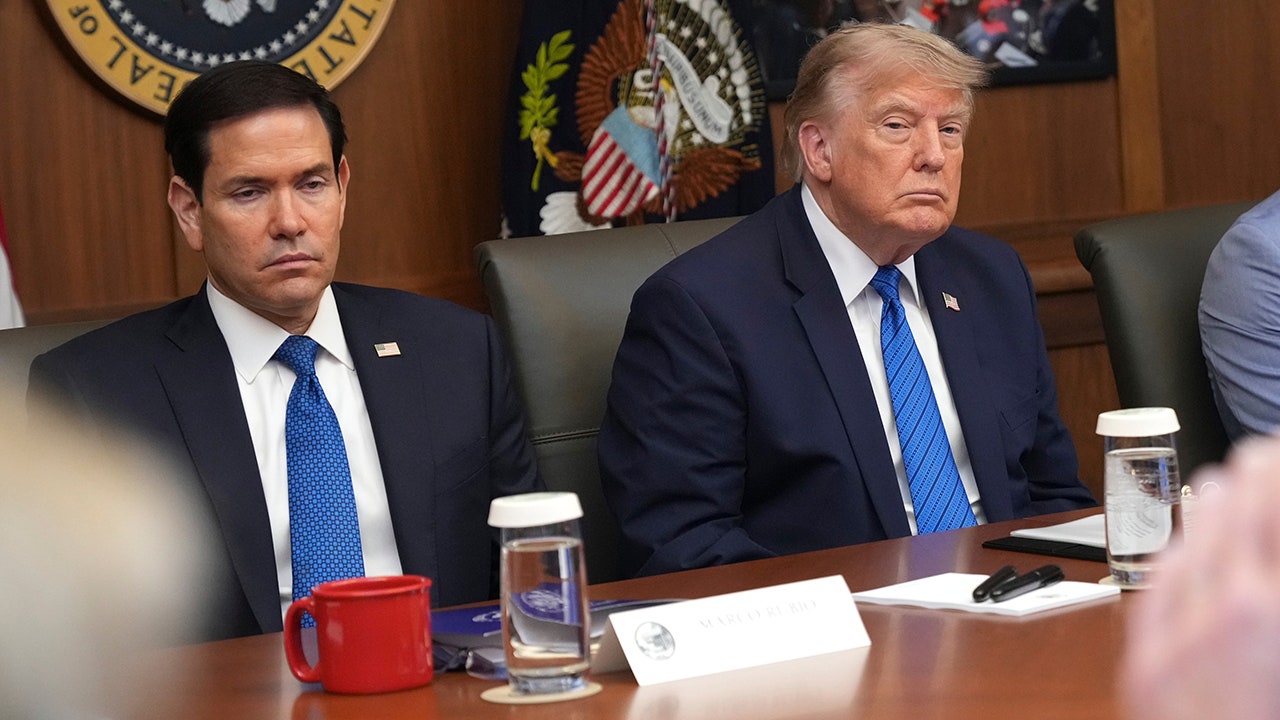
Secretary of State Marco Rubio and the Iranian Delegation
Secretary of State Marco Rubio abruptly ended talks and ordered the Iranian delegation to leave the U.S. after negotiations stalled, yet again, with no clear sign of a breakthrough more than seven months into the conflict.
Rubio concluded the Iranians had “overstayed their welcome” after the high-level U.N. meetings had ended. Araghchi had remained in New York for indirect talks seeking to end the blockade of oil and shipping through the Strait of Hormuz, ending the conflict overall and restarting negotiations over Iran’s nuclear program.
The order to leave amounted to an unusually sharp diplomatic rebuke at a moment when mediators are still trying to keep negotiations alive.
The latest talks have centered on a seven-day confidence-building proposal aimed at reopening the Strait of Hormuz and reviving the June framework that briefly halted the fighting.
Despite the diplomatic stalemate, oil flows through the region have been recovering. Estimates cited by major banks put recent Middle East exports close to pre-war levels, helping ease some of the supply fears that sent crude prices sharply higher earlier in the conflict.
President Trump’s Warnings and Military Buildup
And now, President Donald Trump is directly warning Iran it’s “possible” he will go harder with strikes in the Middle East after the midterm elections in November and revealed the U.S. military has significantly rebuilt its arsenal in recent months.
Asked in an interview with Time whether he would “ramp up bombing after the midterms,” Trump replied: “Possible.” Further pressed on whether such an escalation was under consideration, the president declined to discuss potential targets but said the U.S. had spent months rebuilding its arsenal.
“We have a lot of weapons. You know, we’ve been stocking up for the last six months,” Trump said. Trump also used the word “possible” when asked whether he “might annihilate Iran.”
Trump said in his speech to the United Nation’s General Assembly last week that he would continue to make sure Iran is not able to obtain nuclear weapons.
Trump rejected Iran’s latest proposal over the weekend, later saying Tehran’s offer to reopen the strait was “not good enough. Nearly.” He also denied reports that he had offered sanctions relief or the release of frozen Iranian funds in exchange for movement on the nuclear issue.
The Role of Qatar and Diplomatic Stalemate
Qatar has been shuttling messages between Washington and Tehran, with the two sides still divided largely over the sequencing of concessions — including when Iran would reopen the strait, what nuclear steps Tehran would take and what economic relief the U.S. would provide in return.
The latest messaging from the White House and State Department signals an increasingly strained diplomatic track, after days of negotiations failed to close the gap between Washington and Tehran over the terms of ending the war.
Araghchi and his team departed early Tuesday. Iran disputed the U.S. account, saying the delegation’s Monday night departure had already been scheduled and communicated to the State Department on Sept. 17.
The Strait of Hormuz remains central to both the negotiations and the economic stakes. Before the war, roughly one-fifth of global crude oil and liquefied natural gas supplies passed through the waterway, making even partial disruption a major driver of global energy prices.
Despite the diplomatic stalemate, oil flows through the region have been recovering. Estimates cited by major banks put recent Middle East exports close to pre-war levels, helping ease some of the supply fears that sent crude prices sharply higher earlier in the conflict.
Impact on Energy Markets and Gas Prices
But the lack of a deal is still putting pressure on energy markets. Brent crude settled above $103 a barrel Wednesday, while U.S. crude closed above $90, with oil posting steep September gains as traders weighed stalled U.S.-Iran talks against the recovery in regional supply.
Americans are still feeling that pressure at the pump. The national average for regular gasoline was about $4.43 a gallon Wednesday, compared with roughly $3.15 a year earlier, while diesel stood above $6.40 a gallon.
The Strait of Hormuz remains central to both the negotiations and the economic stakes. Before the war, roughly one-fifth of global crude oil and liquefied natural gas supplies passed through the waterway, making even partial disruption a major driver of global energy prices.
Despite the diplomatic stalemate, oil flows through the region have been recovering. Estimates cited by major banks put recent Middle East exports close to pre-war levels, helping ease some of the supply fears that sent crude prices sharply higher earlier in the conflict.
But the lack of a deal is still putting pressure on energy markets. Brent crude settled above $103 a barrel Wednesday, while U.S. crude closed above $90, with oil posting steep September gains as traders weighed stalled U.S.-Iran talks against the recovery in regional supply.
Iran’s Dispute and Diplomatic Tensions
Iran disputed the U.S. account, saying the delegation’s Monday night departure had already been scheduled and communicated to the State Department on Sept. 17.
The order to leave amounted to an unusually sharp diplomatic rebuke at a moment when mediators are still trying to keep negotiations alive.
After little progress in weekend meetings involving Iranian officials and Qatari mediators, Rubio told Iranian Foreign Minister Abbas Araghchi and his delegation on Monday that they needed to leave New York, a U.S. official confirmed to Fox News Digital after Axios first reported it.
The latest talks have centered on a seven-day confidence-building proposal aimed at reopening the Strait of Hormuz and reviving the June framework that briefly halted the fighting.
Trump rejected Iran’s latest proposal over the weekend, later saying Tehran’s offer to reopen the strait was “not good enough. Nearly.” He also denied reports that he had offered sanctions relief or the release of frozen Iranian funds in exchange for movement on the nuclear issue.